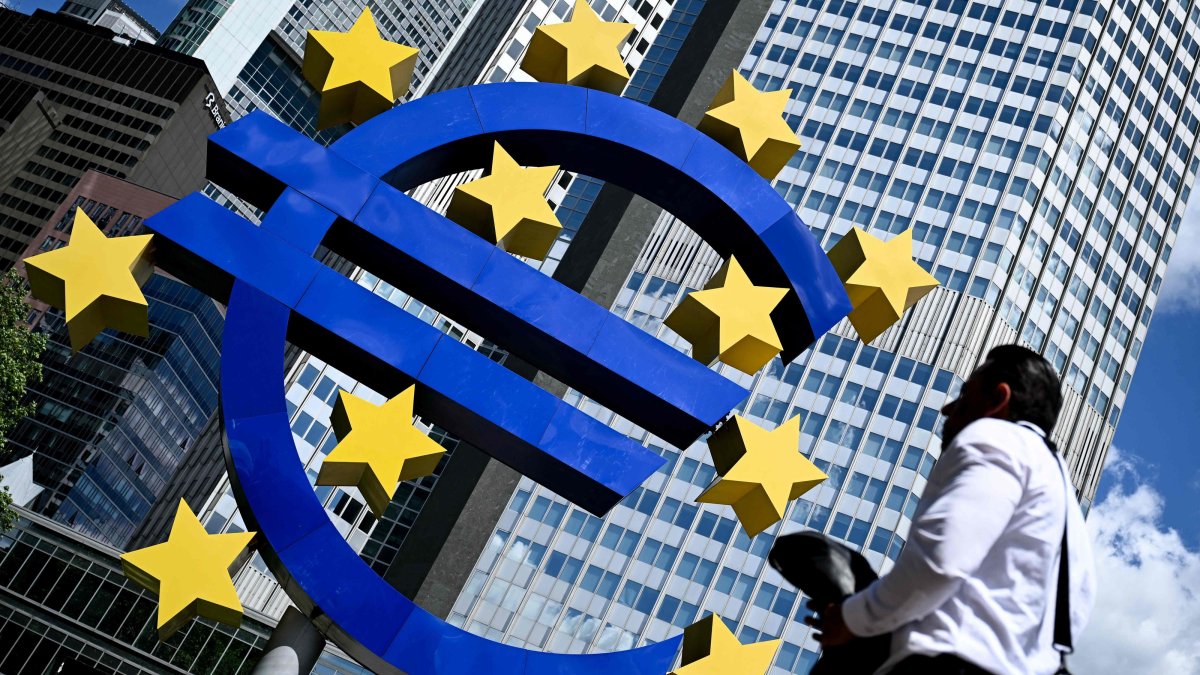
EU Lawmakers Back Digital Euro Negotiations
EU lawmakers approved the start of negotiations to create a digital euro on July 9, 2026, marking a critical step in the European Union’s effort to modernize its monetary system. The decision aims to provide a sovereign, digital alternative to private cryptocurrencies and foreign digital currencies across the Eurozone.
The transition to a Central Bank Digital Currency (CBDC) is not merely a technical upgrade; it is a structural shift in how capital moves across borders. For businesses and citizens in the 20 member states of the Eurozone, this move addresses the growing vulnerability of European payment systems to non-EU providers. By creating a digital version of the euro, the European Central Bank (ECB) intends to ensure that the region maintains monetary sovereignty in an increasingly digitized global economy.
This shift creates immediate compliance and operational hurdles. Companies must now audit their payment gateways and reconcile their digital asset holdings with new regulatory frameworks. To avoid costly integration errors, firms are increasingly relying on [Financial Technology Consultants] to bridge the gap between legacy banking and CBDC architecture.
The European Central Bank’s Strategic Mandate
The project has been years in the making, evolving from a conceptual phase into a legislative mandate. According to the European Central Bank, the digital euro would serve as a digital form of cash for the general public, designed to be used for both online and offline payments. Unlike commercial bank deposits, which are claims against a private bank, the digital euro would be a direct claim on the central bank, significantly reducing systemic risk during financial crises.

The push for a digital euro is accelerated by the rise of “stablecoins” and the potential for a digital yuan to penetrate European markets. By offering a state-backed, stable digital asset, the EU intends to prevent the fragmentation of the single market. If private digital currencies became the primary medium of exchange, the ECB’s ability to implement monetary policy—such as adjusting interest rates to control inflation—would be severely diminished.
Lawmakers are now tasked with balancing the efficiency of digital payments with the fundamental right to privacy. The negotiations will focus on “holding limits,” which prevent users from moving all their savings into digital euros, thereby protecting commercial banks from a sudden liquidity drain.
Regional Economic Impacts and Infrastructure Requirements
The rollout will not be uniform across the bloc. Financial hubs like Frankfurt, Paris, and Luxembourg are expected to lead the integration, but the real challenge lies in municipal infrastructure in less digitized regions. Local governments must ensure that small-scale vendors in rural areas can accept the digital currency without requiring expensive hardware upgrades.

In jurisdictions with strict data protection laws, such as Germany, the debate centers on anonymity. The digital euro must coexist with the General Data Protection Regulation (GDPR), meaning the ECB must prove that the currency does not allow for state-sponsored surveillance of every single transaction. This legal tension makes the role of [Regulatory Compliance Law Firms] essential for businesses attempting to implement these payment systems without violating privacy statutes.
The economic ripple effect extends to the banking sector. Commercial banks may see a decrease in the fees they collect from traditional payment processing. To survive, these institutions are forced to pivot toward “value-added services,” transforming from simple custodians of money into sophisticated financial advisors.
Comparing the Digital Euro to Global Alternatives
The EU is entering a race where other superpowers have already moved. The digital euro’s design reflects a cautious approach compared to the more aggressive implementations seen elsewhere.
| Feature | Digital Euro (Proposed) | Digital Yuan (e-CNY) | Private Stablecoins (e.g., USDT) |
|---|---|---|---|
| Issuer | European Central Bank | People’s Bank of China | Private Corporations |
| Primary Goal | Monetary Sovereignty/Privacy | Financial Control/Efficiency | Speculation/Liquidity |
| Legal Status | Legal Tender (Planned) | Legal Tender | Private Asset/Not Tender |
While China’s digital yuan is already in wide-scale pilot phases, the EU’s focus on a “two-tier” system—where the ECB issues the currency but commercial banks distribute it—is designed to maintain the existing banking ecosystem. This prevents the ECB from becoming the sole provider of all financial services, a move that would be politically untenable in the democratic framework of the EU.
The Road to Implementation and Legal Risks
The transition period will likely be characterized by legal ambiguity. As the EU defines the boundaries between “digital cash” and “digital deposits,” businesses face the risk of misclassifying assets on their balance sheets. This is particularly true for e-commerce entities that operate across multiple EU borders, where local tax laws may struggle to keep pace with the speed of a CBDC.

The complexity of these new financial instruments means that standard accounting practices are no longer sufficient. Enterprises are now seeking [Certified Public Accountants] specializing in digital assets to ensure that their transition to the digital euro does not trigger unexpected tax liabilities or audit failures.
The timeline for a full launch remains dependent on the outcome of these negotiations. However, the legislative backing provided on July 9 signals that the “investigation phase” is over. The EU is no longer asking if a digital euro is necessary; it is now determining exactly how it will be deployed.
The digital euro represents the most significant change to European money since the introduction of the physical notes and coins in 2002. If the EU fails to execute this transition with precision, it risks ceding its financial autonomy to private tech giants and foreign central banks. For the millions of businesses operating within the Eurozone, the window for preparation has officially opened. Those who wait for the final law to be written before updating their infrastructure will find themselves lagging in a landscape where the speed of payment is the new baseline for competitiveness. Navigating this shift requires more than just software updates; it requires a strategic partnership with verified professionals found through the World Today News Directory.