
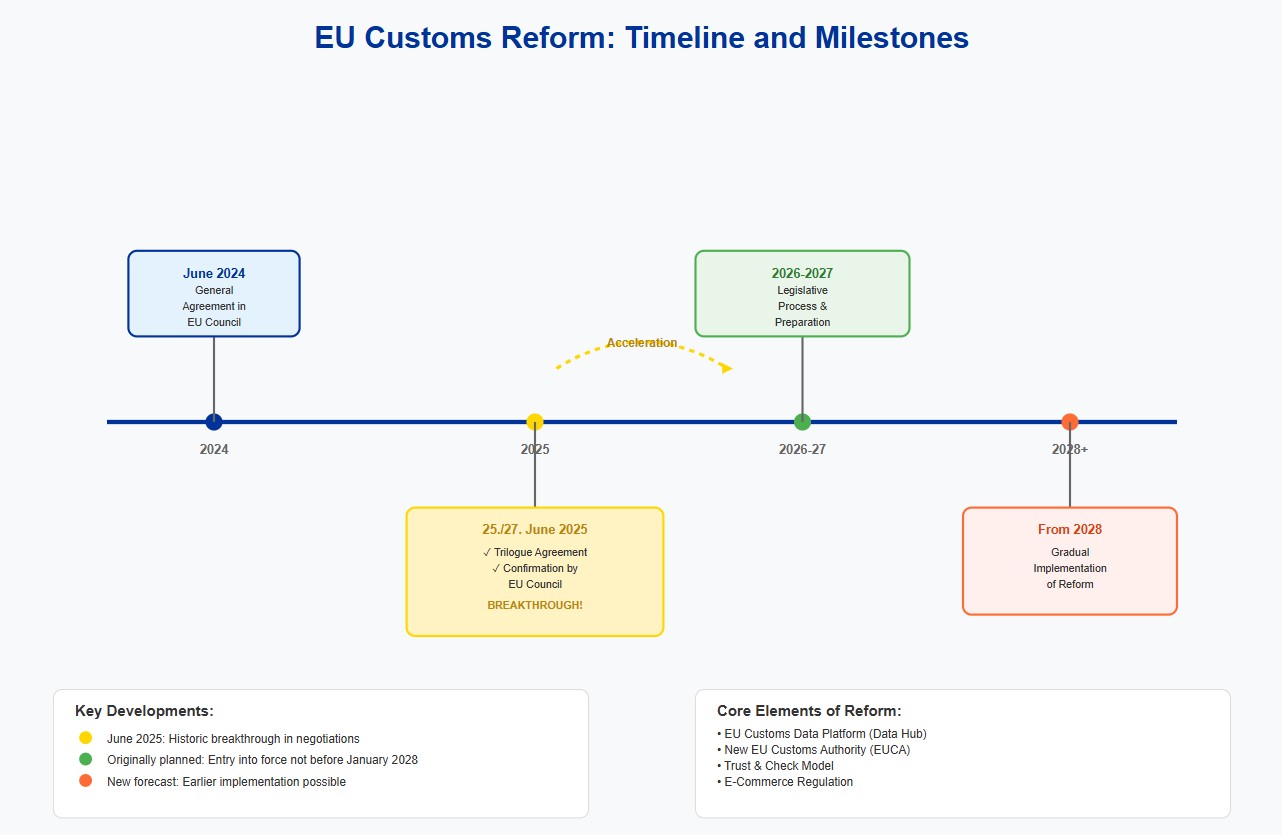
EU Customs Reform Deal Cracks Down on Cheap China Packages
Brussels Slams the Door on De Minimis Loopholes
The European Union has finalized a landmark customs reform agreement, effectively dismantling the €150 duty-free threshold for non-EU imports to curb the flood of low-value parcels from China. This fiscal tightening aims to recover billions in lost VAT revenue and levels the playing field for domestic retailers by imposing strict data requirements on cross-border e-commerce giants.
The era of frictionless, duty-free micro-shipments is ending. For years, the “de minimis” exemption served as a fiscal leak, allowing platforms like Shein and Temu to undercut European brick-and-mortar retailers by bypassing standard tariff structures. The recent accord, ratified in Brussels this week, mandates that all incoming parcels, regardless of value, undergo digital customs declaration. This isn’t just bureaucratic red tape; it is a calculated strike against margin erosion in the European retail sector. The immediate consequence is a spike in compliance overhead for logistics providers, creating a sudden, urgent demand for specialized customs brokerage firms capable of handling high-volume, low-value data processing.
Market volatility hit the logistics sector within hours of the announcement. Shares in last-mile delivery aggregators dipped as investors priced in the operational drag of processing millions of additional customs forms daily. The European Commission estimates that up to 4 billion parcels enter the bloc annually under the current exemption, representing a massive shadow economy. By closing this gap, Brussels expects to recoup approximately €1 billion in unpaid VAT annually, but the transition period promises to be turbulent for supply chain managers unprepared for the data deluge.
“The removal of the de minimis threshold forces a fundamental restructuring of cross-border logistics. Companies relying on volume-over-value strategies will see their unit economics collapse without immediate investment in automated compliance infrastructure.”
This sentiment echoes the warnings issued by trade economists at the European Commission’s Directorate-General for Taxation and Customs Union. The shift moves the burden of proof squarely onto the carrier. No longer can a package slip through based on a handwritten label; every SKU requires digital verification. This creates a bottleneck that traditional freight forwarders cannot solve with legacy systems. The market is now pivoting toward enterprise supply chain software providers that offer API-driven customs integration, allowing real-time duty calculation at the point of sale rather than at the border.
The Three Pillars of the New Fiscal Reality
The reform does not merely adjust tax rates; it rewires the operational logic of global trade. Based on the text of the agreement and early guidance from EU member states, three critical shifts will define the remainder of the 2026 fiscal year:
- Data Granularity Requirements: Carriers must now transmit detailed electronic data prior to arrival. Vague descriptions like “gift” or “clothing” will trigger immediate holds. This necessitates a partnership with trade compliance consulting firms to audit product classifications (HS Codes) before goods ever leave the factory floor in Shenzhen.
- The End of Bulk Clearance: The ability to clear thousands of low-value items under a single manifest is being phased out. Each parcel effectively becomes its own customs entry. This fragmentation destroys the economies of scale that made ultra-rapid fashion viable, forcing retailers to absorb higher landed costs or pass them to consumers.
- Liability Shifts: Under the new framework, the liability for unpaid duties shifts more aggressively toward the marketplace facilitator. If a vendor fails to pay, the platform holding the transaction data faces the penalty. This legal exposure is driving a surge in retainer agreements with top-tier international trade law firms specializing in EU regulatory defense.
The impact extends beyond the immediate players. Traditional European retailers, long squeezed by the price disparity of duty-free imports, view this as a survival mechanism. However, the transition creates a “compliance gap.” Smaller logistics operators lack the capital to upgrade their IT stacks to meet the new digital customs standards. We are likely to see a wave of consolidation where major integrators acquire smaller regional players solely to capture their license to operate under the new strictures.
Financial modeling suggests that the cost per parcel for last-mile delivery could increase by €2.50 to €4.00 once full enforcement begins in late 2026. For a business model predicated on €5 t-shirts, this is an existential threat. The margin compression will force a reevaluation of sourcing strategies. We expect to see a near-shoring trend accelerate, with manufacturers moving production closer to the EU border to avoid the customs gauntlet entirely. This geographic shift requires complex restructuring advice, further fueling demand for corporate restructuring services as companies relocate assets to mitigate tariff exposure.
Investors should watch the Q2 earnings calls of major courier services closely. The narrative will shift from volume growth to yield management. The companies that survive this regulatory tsunami will be those that treat customs not as a backend administrative task, but as a core product feature. As the deadline approaches, the friction in the system will act as a natural filter, weeding out inefficient actors and rewarding those with robust, digitized compliance frameworks.
The message from Brussels is clear: the open door policy for low-value imports is closed. For global businesses, the path forward requires immediate audit of supply chain vulnerabilities. Navigating this new landscape demands more than just logistical agility; it requires strategic partnerships with vetted experts who understand the intersection of EU fiscal policy and global trade mechanics. The World Today News Directory remains the primary resource for identifying these critical B2B partners, ensuring your organization remains compliant as the customs landscape hardens.