
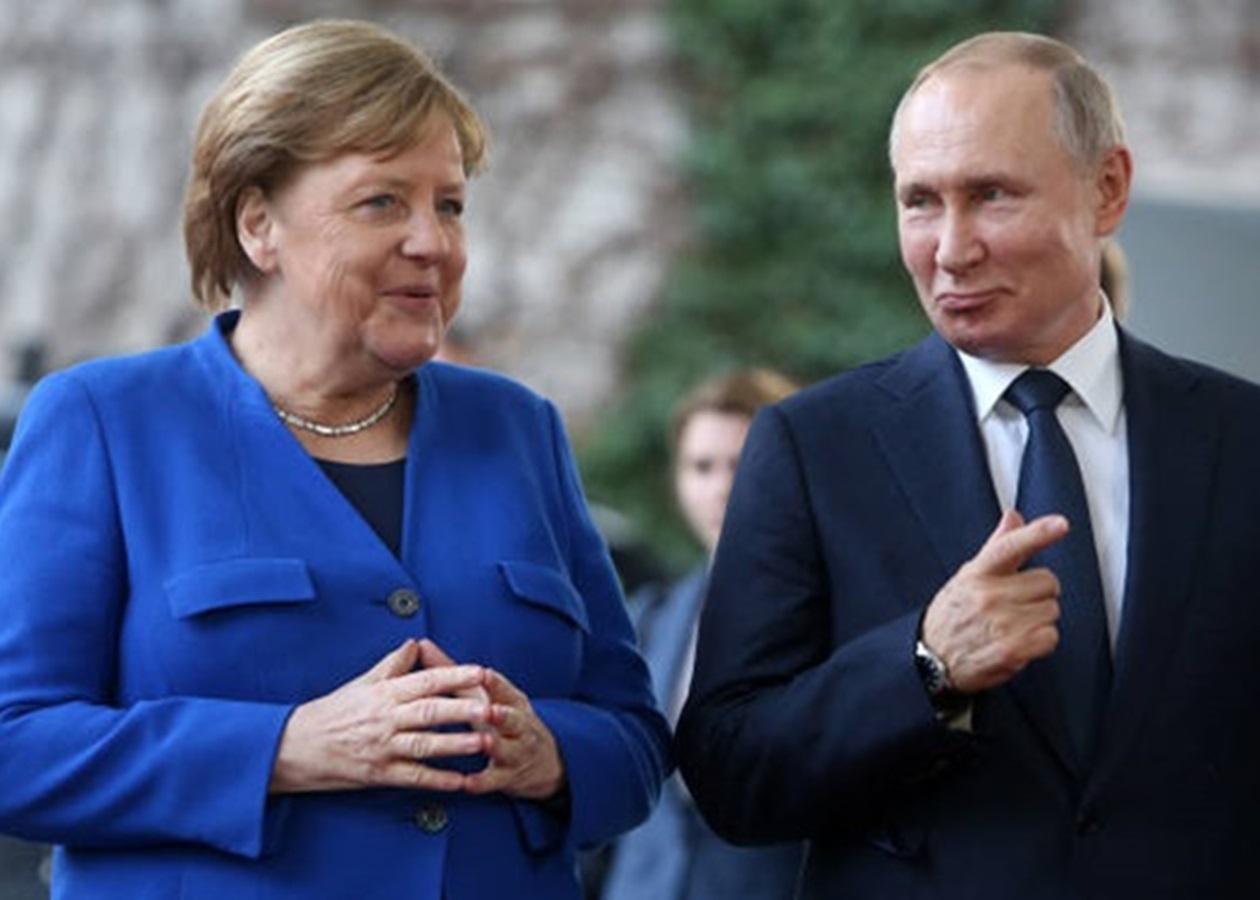
EU Considers Optimal Negotiator for Russia Talks: Merkel, Schröder & Key Challenges
The European Union is currently evaluating high-profile mediators to lead critical negotiations with Russia. Former German Chancellor Angela Merkel has emerged as a primary candidate for the role, while the candidacy of former Chancellor Gerhard Schröder has faced sharp criticism from German officials amid ongoing volatility and ballistic threats across Ukraine.
The search for an “optimal” negotiator is not a mere bureaucratic exercise; it is a high-stakes gamble with the stability of the European continent on the line. As Brussels attempts to find a voice that can command respect in the Kremlin without compromising the integrity of the Union, the internal divide within Germany—the EU’s largest economy—has become a microcosm of the broader struggle. The problem is clear: the EU needs a diplomat who possesses both the historical trust of Russian leadership and the unwavering confidence of the current European political establishment.
For businesses and international entities operating within this geopolitical fracture, the uncertainty is a liability. The shift in diplomatic strategy often triggers immediate changes in sanctions regimes and trade protocols. Navigating these volatile shifts requires more than just news monitoring; it demands the expertise of international law firms capable of interpreting the nuances of supranational mandates in real-time.
The Merkel Doctrine: Pragmatism Over Ideology
The consideration of Angela Merkel as a mediator, as highlighted by reports from Spiegel, is a return to a specific brand of “stability diplomacy.” Merkel’s tenure as Chancellor was defined by a patient, often glacial approach to negotiation—a style that allowed her to maintain a working relationship with Vladimir Putin for over a decade while simultaneously steering the EU through various crises.
Her candidacy is viewed as “optimal” because she represents a bridge. Unlike current leadership, which has adopted a more confrontational stance, Merkel’s history suggests a capacity for the “art of the possible.” She understands the Russian political psyche, yet she remains a symbol of Western democratic resilience.

However, the stakes have changed since her departure from office. The diplomatic landscape of 2026 is not the landscape of 2021. The trust that once underpinned her negotiations has been eroded by systemic conflict. The question now is whether her pragmatic approach is still viable, or if it will be perceived as weakness in the face of current aggression.
This atmospheric tension makes the role of diplomatic consultants essential for private sector actors. When the official line from Brussels is ambiguous, these specialists provide the necessary intelligence to hedge against sudden policy pivots.
The Schröder Conflict: A Case Study in Political Toxicity
In stark contrast to the cautious optimism surrounding Merkel, the suggestion of Gerhard Schröder as a negotiator has ignited a firestorm. A German minister has already publicly criticized Schröder’s candidacy, reflecting a deep-seated resentment toward the former Chancellor’s long-standing and lucrative ties to Russian energy interests.
Schröder’s relationship with the Kremlin is no longer seen as a diplomatic asset; it is viewed as a conflict of interest. In the current climate, a negotiator who is perceived as being “too close” to the adversary is a liability. The criticism leveled against him underscores a fundamental shift in EU priorities: the Union is no longer looking for someone who can “get along” with Russia, but someone who can negotiate from a position of strength and moral clarity.
The divide between the Merkel and Schröder options illustrates a broader ideological struggle within the EU. One side advocates for the “old guard” of realpolitik, while the other demands a clean break from the energy dependencies that defined the previous two decades.
The Ukrainian Variable and the Reality of Ballistic Threats
While Brussels debates the identity of its envoy, the ground reality in Ukraine remains perilous. Recent reports indicate that air raid alerts have been triggered across Kyiv and the majority of Ukrainian regions due to the imminent threat of ballistic missile strikes.
This creates a jarring dichotomy: the sterile, deliberative environment of EU diplomatic planning versus the visceral terror of air raid sirens in Ukrainian cities. Any negotiator chosen by the EU must not only satisfy the requirements of the Kremlin and the European Council but must also be acceptable to Kyiv. A mediator who is seen as ignoring the security imperatives of Ukraine will find their efforts DOA (Dead on Arrival).
The volatility of the security situation in Eastern Europe has forced a surge in demand for risk management services. Companies with supply chains stretching into the region are no longer relying on general insurance; they are implementing aggressive contingency plans to protect personnel and assets from the sudden escalation of hostilities.
Evaluating the “Optimal” Negotiator
What exactly constitutes an “optimal” negotiator in 2026? The EU is likely weighing several conflicting criteria:

- Historical Rapport: The ability to communicate directly with the Russian leadership without the need for intermediaries.
- Institutional Legitimacy: The capacity to speak on behalf of 27 member states with varying interests.
- Moral Authority: A track record that does not alienate the victims of the conflict or the allies in Washington.
- Tactical Flexibility: The skill to pivot between hard-line demands and the necessary compromises of a peace treaty.
The struggle to find a single person who embodies all four traits is why the process is so fraught. If the EU chooses a figure like Merkel, they bet on experience and stability. If they reject candidates like Schröder, they signal a commitment to ethical diplomacy over opportunistic access.
For a deeper understanding of the legal frameworks governing these international disputes, one can refer to the United Nations Charter, which outlines the fundamental principles of international peace and security, or the official portal of the European Union for current policy directives.
The geopolitical chess match currently unfolding in Berlin and Brussels is more than a personnel dispute. It is a search for a survival strategy. The person chosen to step into the room with Russia will carry the hopes of millions and the economic stability of an entire continent. Whether that person is a returning veteran of diplomacy or a new, unexpected face, the outcome will redefine European security for a generation.
As this situation evolves, the gap between high-level diplomacy and operational reality will only widen. Those who find themselves caught in the crossfire—whether through business interests, legal disputes, or humanitarian efforts—cannot afford to wait for the “optimal” negotiator to succeed. Finding verified, experienced professionals through the World Today News Directory is the only way to ensure that while the politicians debate, your interests remain protected.