
FNV Supervisors Seek Expanded Powers to Overhaul Union Structure
The Hague, Netherlands – Temporary supervisors appointed to reform the Netherlands’ largest trade union, FNV, are requesting increased authority from the Enterprise Chamber of the court to implement sweeping changes, including the dissolution of the union’s current members’ parliament. The request, submitted today, escalates a months-long internal struggle within the FNV, sparked by reports of an unsafe working habitat and concerns over internal accountability.
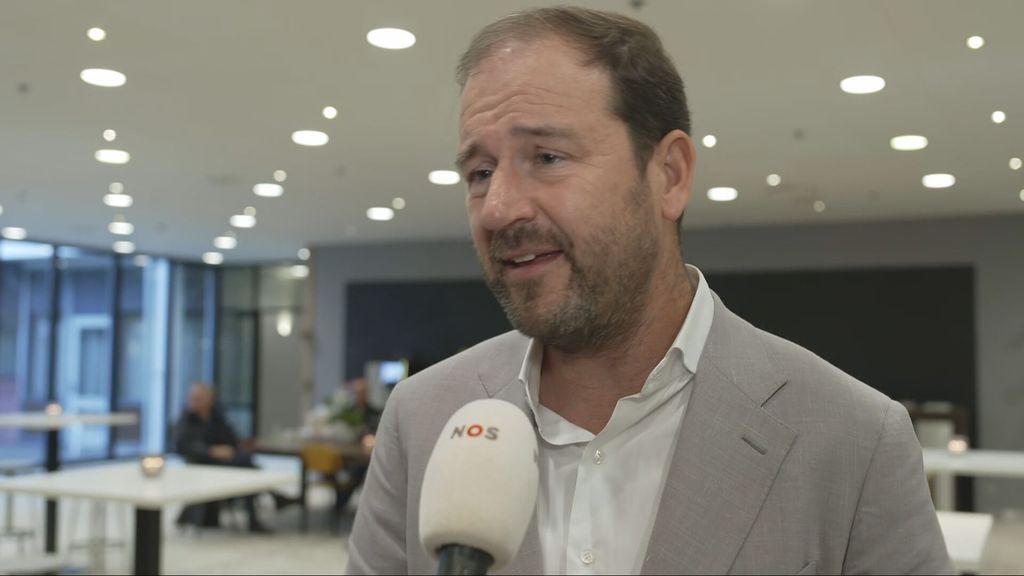
Former politician Lodewijk Asscher and former chairman Ton Heerts were tasked by the court to address systemic issues within the FNV. Their proposed reforms center around establishing a federal council comprised of representatives from key sectors – transport, ports, education, healthcare, and government – to replace the existing 104-member parliament, wich critics argue is too disconnected from the workplace.
Last Friday, the members’ parliament rejected the proposal to disband itself, voting 50 against and 46 in favor.
Asscher argues the new structure is “unavoidable to get the FNV out of the internal crisis,” stating, “Provided that the FNV is concerned with itself, it cannot fulfill its critically importent social role as a representative of the interests of workers, benefit recipients and retirees.” He emphasized the urgency, noting the ongoing formation of new government policies and the need for the FNV to be actively involved.
The supervisors also seek to place the FNV board directly under the authority of the Supervisory Board and to introduce a membership referendum for the election of the board chairman. Asscher maintains that member participation will not be diminished, asserting influence will continue through sector representation within the proposed federal council.
the Enterprise Chamber previously ruled that duty structures within the FNV were unclear,and the ongoing delays in holding elections for a new board have further fueled the push for intervention. The court will now consider the supervisors’ request for expanded powers.
