
Eskom Unbundling: Energy Council Urges Caution & Phased Transition
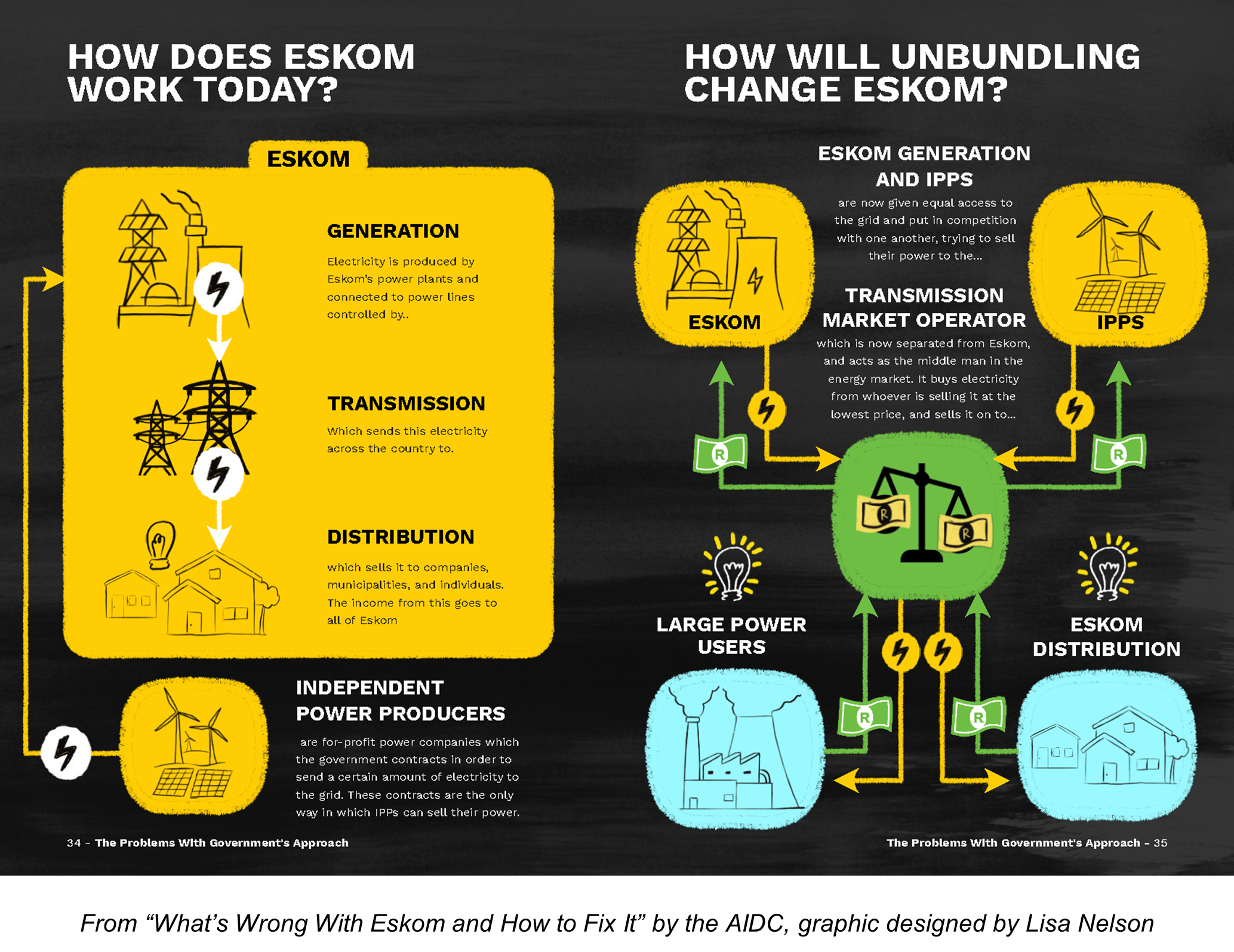
South Africa’s Energy Council has publicly endorsed Eskom’s planned unbundling, but cautioned against a rushed timeline, citing potential systemic risks to the nation’s power grid and broader economy. This move, while supportive of long-term restructuring, introduces immediate uncertainty for energy sector investors and necessitates robust risk mitigation strategies. The debate centers on the optimal pace for separating Eskom into distinct generation, transmission, and distribution entities.
The Eskom Impasse: A Fiscal Tightrope Walk
The core problem isn’t simply restructuring a state-owned enterprise; it’s managing the cascading fiscal consequences of a potentially destabilized energy supply. Eskom’s debt currently stands at over ZAR 400 billion (approximately $21 billion USD as of March 29, 2026 – Reuters), and a poorly executed unbundling could trigger a sovereign debt crisis. The Energy Council’s call for caution isn’t merely procedural; it’s a direct response to concerns about maintaining grid stability during the transition. This instability translates directly into lost productivity for South African businesses, impacting everything from manufacturing output to mining operations. Companies reliant on consistent power are already factoring in significant contingency costs – costs that could be dramatically reduced with a well-managed transition.
The immediate impact is a chilling effect on foreign direct investment (FDI) in the South African energy sector. Investors are hesitant to commit capital to a market undergoing such fundamental upheaval, particularly when the regulatory framework remains ambiguous. This hesitation is compounded by the ongoing concerns about corruption and governance within Eskom, issues that have plagued the company for years.
Navigating the Regulatory Labyrinth: A Need for Specialized Counsel
The unbundling process requires navigating a complex web of regulatory approvals and legal challenges. Companies operating within the South African energy market – and those considering entry – are facing an increased need for specialized legal expertise. Corporate law firms with a proven track record in energy regulation and public-private partnerships are seeing a surge in demand. They are assisting clients with due diligence, risk assessment, and the drafting of legally sound contracts that protect their interests during this period of uncertainty.

The Transmission System Operator (TSO) Dilemma
A key sticking point is the establishment of an independent Transmission System Operator (TSO). The Energy Council emphasizes a “phased transition” to a state-owned TSO, arguing that a rapid handover to a private entity could compromise national energy security. Although, this approach raises concerns about potential conflicts of interest and the risk of continued inefficiencies. According to a recent report by the International Energy Agency (IEA), a fully independent TSO is crucial for attracting private investment in renewable energy projects and ensuring a level playing field for all market participants (IEA South Africa Energy Profile).
“The biggest risk isn’t necessarily the unbundling itself, but the speed at which it’s implemented. A rushed process could lead to blackouts, economic disruption, and a loss of investor confidence. We need a pragmatic approach that prioritizes grid stability and long-term sustainability.”
– Dr. Anya Sharma, Portfolio Manager, BlackRock Infrastructure
Supply Chain Vulnerabilities and the Rise of Energy Resilience
The Eskom situation highlights a broader trend: the increasing vulnerability of global energy supply chains. Geopolitical tensions, climate change, and aging infrastructure are all contributing to greater instability. This is driving demand for energy resilience solutions, including distributed generation, microgrids, and energy storage systems.
The cost of energy storage, particularly lithium-ion batteries, has fallen dramatically in recent years, making it a more viable option for businesses seeking to reduce their reliance on the grid. However, deploying these systems requires specialized expertise in engineering, procurement, and construction (EPC). EPC firms with experience in the energy sector are well-positioned to capitalize on this growing demand. They can provide turnkey solutions, from initial design and permitting to installation and maintenance.
Financial Implications: EBITDA Compression and Revenue Multiples
For companies directly impacted by Eskom’s instability, the financial consequences are significant. EBITDA margins are being compressed by the need to invest in backup power solutions and absorb the costs of interrupted production. Revenue multiples for South African energy companies are currently trading at a discount compared to their regional peers, reflecting the heightened risk profile. According to a recent analysis by Rand Merchant Bank, the average EV/EBITDA multiple for South African independent power producers (IPPs) is currently 7.5x, compared to 10x for similar companies in Kenya and Morocco.
The Role of Technology and Data Analytics
Optimizing energy consumption and improving grid efficiency requires sophisticated data analytics and technology solutions. Companies are increasingly turning to smart grid technologies, advanced metering infrastructure (AMI), and predictive maintenance systems to reduce waste and improve reliability. Data analytics providers specializing in the energy sector can help companies unlock valuable insights from their energy data, identify opportunities for cost savings, and optimize their operations.
“We’re seeing a significant increase in demand for our energy management solutions in South Africa. Businesses are realizing that investing in energy efficiency and resilience is not just a cost-saving measure, it’s a strategic imperative.”
– James Nkosi, CEO, Smart Energy Solutions Africa
Looking Ahead: A Cautious Optimism
The Eskom unbundling is a complex undertaking with far-reaching implications for the South African economy. While the Energy Council’s call for caution is prudent, the process cannot be indefinitely delayed. The longer the uncertainty persists, the greater the risk of further economic damage. The next fiscal quarters will be critical in determining whether South Africa can successfully navigate this transition and unlock the full potential of its energy sector.
For businesses operating in or considering investment in South Africa, proactive risk management and strategic partnerships are essential. The World Today News Directory provides access to a vetted network of B2B providers – from legal counsel and EPC firms to data analytics specialists – who can help you navigate the challenges and capitalize on the opportunities presented by this evolving landscape. Don’t navigate this complex environment alone; find the expertise you need to thrive in the new South African energy market.