
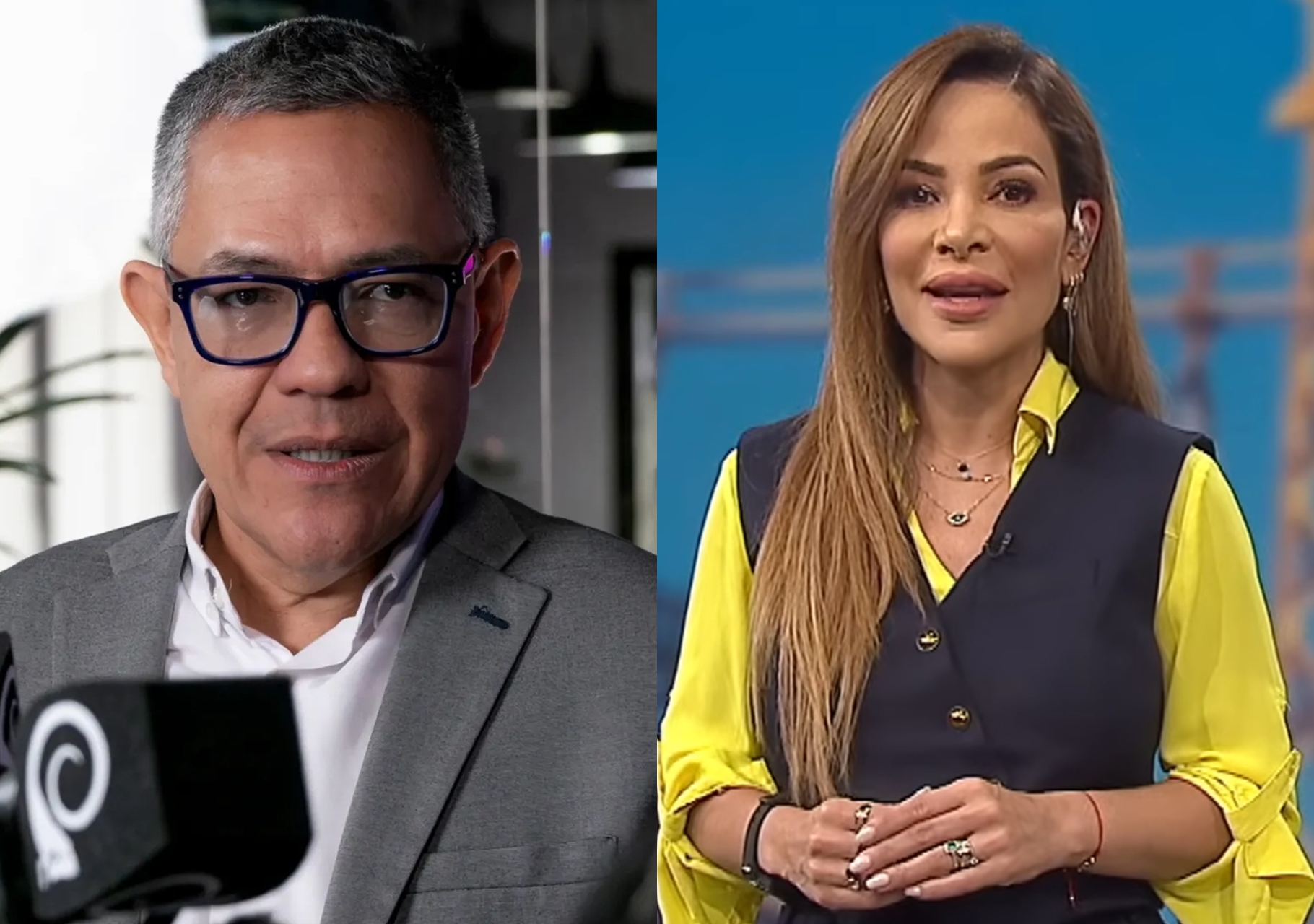
Ernesto Villegas Accuses Venevisión of Fueling Unrest Over Venezuela Power Outages
Caracas – Ernesto Villegas, a candidate for the Venezuelan Ombudsman and former Minister of Communication and Information, accused the private television channel Venevisión of attempting to “heat up the streets” following a news report on the country’s electricity situation, according to statements made Tuesday.
Villegas leveled the accusation during an interview with La Iguana, a digital media outlet owned by Communications Minister Miguel Pérez Pirela. He suggested that certain media outlets were creating a “climate of exacerbating discomfort” among citizens, specifically referencing the Venevisión report. “I’ve seen reports about electricity, supposedly a blackout, and then they showed spaces of the channel in darkness. What is that? It’s a general interest channel. In what part of the world does a channel make that news occupy such a costly space in its programming?” he questioned.
He continued, “I’ll say this: Venevisión, the channel where I was just interviewed, extraordinarily well treated, I truly thank Margarita Oropeza. But I wonder, what is behind that truly insignificant line?”
The Venevisión report, presented by journalist Endrina Yépez, highlighted an electrical emergency attributed to what the interim government of Delcy Rodríguez has termed the “perpendicular passage of solar rays.” This astronomical phenomenon is predicted to increase solar radiation across the country for 45 days, potentially exacerbating temperatures and deepening the existing drought. The report included footage of areas in Caracas experiencing power outages, and noted that the channel was operating under contingency plans and utilizing backup generators during the broadcast.
The broadcast also featured an announcement from Rodríguez regarding the activation of a National Electricity Savings Plan, urging citizens to maintain air conditioning at 21°C, disconnect non-essential equipment, and cooperate with “pruning and clearing” initiatives to protect transmission lines from fire risks.
Villegas, who recently met with Venevisión President Andrés Badra, framed his criticism as a concern over editorial decisions. “I found him to be a very polite person, but I wonder, what do those who make those decisions there aim for to build?” he stated, according to reports.
Venezuela has a history of electrical crises, most notably the widespread blackout of 2019 and recurring power failures. Yépez reported that experts attribute these issues to a lack of investment, over-reliance on hydroelectric power, and outdated equipment. The government attributes the difficulties to international sanctions.
The accusations come as Venezuela faces a period of increased heat and potential strain on the electrical grid. The government’s call for conservation measures underscores the vulnerability of the system, particularly in regions outside of Caracas where power disruptions are more frequent.