
Erectile Dysfunction: An Early Warning Sign for Heart Disease
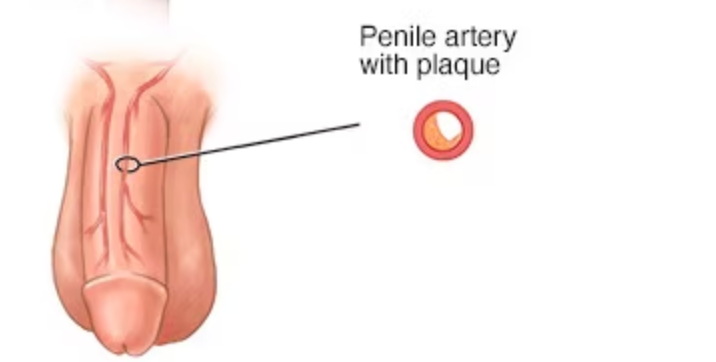
For many men, a decline in erectile function is dismissed as an inevitable consequence of aging or a temporary byproduct of stress. However, clinical evidence suggests a far more critical biological reality: the penis often serves as the body’s earliest vascular warning system, signaling systemic cardiovascular decay long before a cardiac event occurs.
Key Clinical Takeaways:
- Erectile dysfunction (ED) is frequently an early indicator of “creeping” vascular problems and cardiovascular disease rather than a simple symptom of age.
- The mechanism of erection depends on precise blood flow to the corpora cavernosa, making it highly sensitive to arterial health.
- Persistent symptoms lasting longer than three months necessitate immediate medical evaluation to screen for underlying conditions like diabetes, hypertension, or heart disease.
The prevailing cultural narrative often frames erectile failure as a matter of “masculine failure,” leading patients to attribute their symptoms to relationship tension or psychological pressure. This cognitive bias creates a dangerous clinical gap. Although stress and anxiety are genuine contributors, the physiological reality is that the penile arteries are significantly smaller than the coronary arteries. The onset of atherosclerosis or vascular insufficiency often manifests in the periphery before it restricts blood flow to the heart, effectively turning the erectile response into a biological “smoke detector” for cardiovascular morbidity.
“Erection problems are often not a matter of age, but an early alarm signal of cardiovascular diseases… The penis proves to be the first place where a creeping vascular problem reports itself.”
The Pathogenesis of Erectile Dysfunction
To understand why the erectile response is a sentinel for heart health, one must analyze the biological mechanism of action. A healthy erection is the result of a complex synergy between hormones, nerves, blood vessels, and psychological stimuli. When triggered, blood flows into the corpora cavernosa—the sponge-like erectile tissues of the penis—and is temporarily trapped to maintain rigidity.
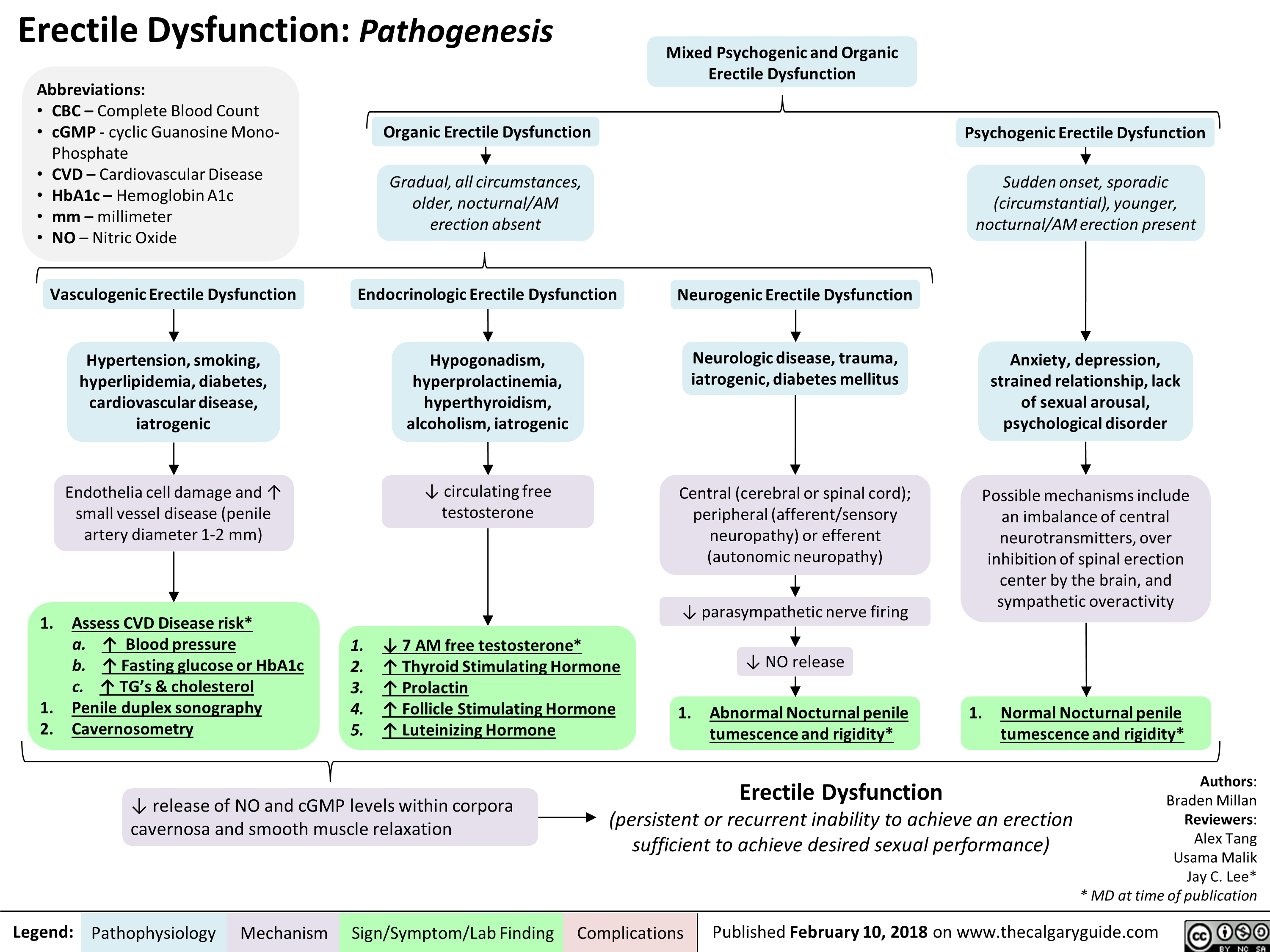
This process requires optimal endothelial function. When the lining of the blood vessels is damaged by high cholesterol, hypertension, or diabetes, the ability to regulate this blood flow is compromised. Because the arteries in the penis are smaller and more sensitive than those supplying the heart or brain, they are the first to exhibit the effects of systemic vascular narrowing. This makes the loss of nocturnal erections or a decrease in firmness a critical clinical marker for broader arterial health.
For men observing these shifts, the priority is to differentiate between transient psychological triggers and chronic physiological decline. It is highly recommended to consult specialized urologists to determine the primary driver of the dysfunction and initiate an appropriate diagnostic pathway.
Identifying the Multifactorial Drivers of Vascular Decline
The etiology of erectile dysfunction is rarely monolithic. It typically arises from a combination of lifestyle factors and underlying medical pathologies. Clinical data identifies several primary contributors to this vascular instability:
- Cardiovascular and Metabolic Conditions: High blood pressure, elevated cholesterol, and diabetes directly impair the vascular system’s elasticity and blood flow.
- Lifestyle Toxins: Chronic smoking, excessive alcohol consumption, and drug use accelerate arterial damage.
- Metabolic Stress: Overweight and sedentary behavior contribute to systemic inflammation and hormonal imbalances, such as low testosterone.
- Psychological and Neurological Factors: Performance anxiety, chronic fatigue, sleep deprivation, and severe stress can disrupt the neural signals required for an erection.
- Iatrogenic Causes: Certain medications, specifically some antidepressants and blood pressure regulators, can list erectile dysfunction as a side effect.
Given the high correlation between ED and systemic health, patients experiencing these symptoms should not limit their care to sexual health alone. A comprehensive cardiovascular screening performed by board-certified cardiologists is essential to assess the risk of myocardial infarction or stroke.
Clinical Triage: From Lifestyle Intervention to Advanced Therapy
The standard of care for addressing erectile dysfunction follows a tiered approach, moving from conservative lifestyle modifications to pharmacological and surgical interventions. The goal is not merely the restoration of function, but the mitigation of the underlying cardiovascular risk.
First-line treatment focuses on aggressive lifestyle modification. This includes cessation of smoking, limiting alcohol intake, and achieving a minimum of 150 minutes of physical activity per week. Weight loss and improved sleep hygiene are equally critical in restoring the hormonal and vascular balance necessary for function. For those struggling with metabolic drivers, the guidance of registered dietitians can be pivotal in lowering blood pressure and cholesterol through targeted dietary changes.
When lifestyle changes are insufficient, clinical options expand to include:
- Pharmacological Therapy: PDE5 inhibitors, such as sildenafil and tadalafil, are commonly prescribed to improve blood flow. These require a physician’s prescription to manage potential contraindications and drug interactions.
- Psychological Support: Sexuological or psychological counseling is indicated for patients where performance anxiety or relationship issues are the primary drivers.
- Hormonal Replacement: Testosterone therapy is reserved strictly for cases where a clinical deficiency has been laboratory-confirmed.
- Mechanical Aids: Vacuum pumps and penis rings provide non-invasive alternatives for maintaining rigidity.
- Advanced Surgical Options: For severe cases, specialists may employ injection therapy, urethral suppositories, or the implantation of a penis prosthesis.
The transition from conservative to advanced therapy should always be guided by a specialist to ensure that the treatment does not mask a worsening cardiovascular condition.
The Future of Preventive Vascular Screening
The recognition of erectile function as a cardiovascular biomarker shifts the paradigm of men’s health from reactive treatment to proactive prevention. By treating the penis as a sentinel organ, healthcare providers can identify high-risk patients years before they present with traditional cardiac symptoms. The integration of sexual health screenings into routine cardiovascular check-ups represents a significant opportunity to reduce global morbidity.
The trajectory of this research suggests a future where erectile health is a standard metric in metabolic syndrome screenings. For those currently experiencing symptoms, the window for intervention is open. Seeking vetted medical professionals through a trusted directory ensures that the transition from symptom recognition to clinical solution is seamless and scientifically grounded.
Disclaimer: The information provided in this article is for educational and scientific communication purposes only and does not constitute medical advice. Always consult with a qualified healthcare provider regarding any medical condition, diagnosis, or treatment plan.