
Epstein Scandal: Model Alliance Calls for Investigation of Agencies
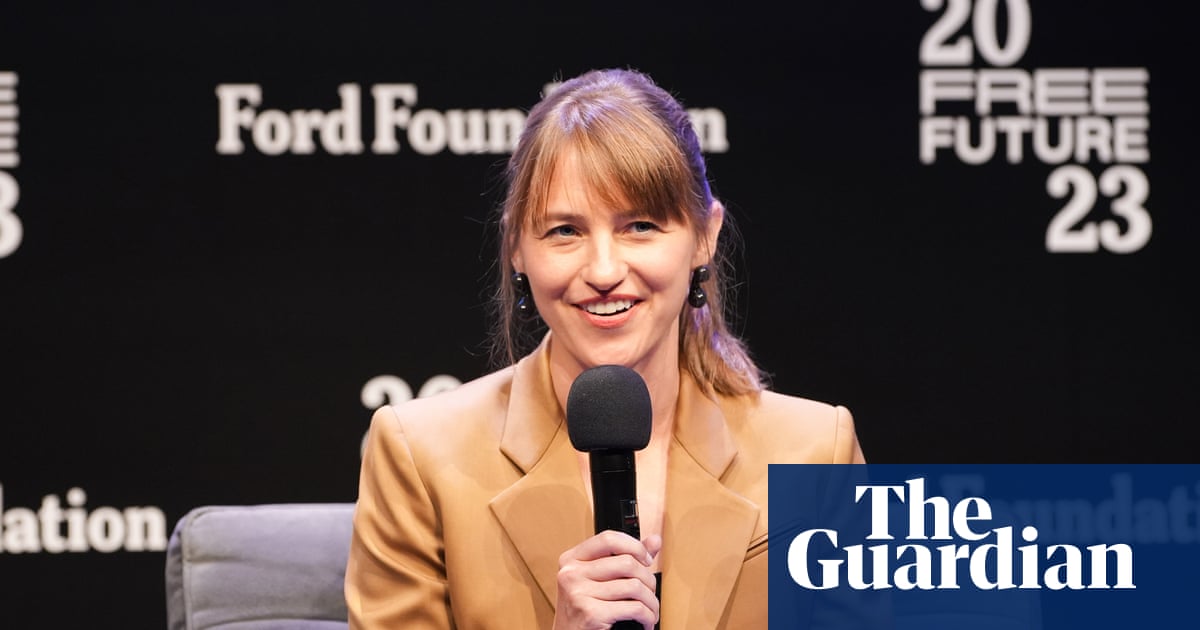
A reckoning is brewing in the fashion industry as Sara Ziff, founder of Model Alliance, demands a federal investigation into the alleged facilitation of Jeffrey Epstein’s abuse by modeling agencies. The call for scrutiny comes on the heels of the 2026 release of the Epstein files and a growing chorus of survivor testimonies, prompting lawmakers to consider hauling industry leaders before a House oversight committee. This unfolding crisis underscores the systemic vulnerabilities within the modeling world and the urgent demand for accountability.
The Pipeline of Predation: Unveiling Systemic Failures
The allegations leveled against modeling agencies aren’t simply about isolated incidents; they point to a deeply ingrained power structure that, according to Ziff and over 40 Epstein survivors, functioned as a “pipeline” delivering vulnerable teenagers to predators like Epstein. The letter sent to New York Attorney General Letitia James, and congressmen Ro Khanna and Thomas Massie, details how agencies allegedly groomed and introduced aspiring models to Epstein, exploiting their youth and financial desperation. This isn’t a new conversation, but the weight of the newly released Epstein files—and the bravery of survivors—is forcing a long-overdue reckoning. As Ziff stated, “What looks like glamor on the outside was for many of us a system that routinely put teenagers into dangerous and exploitative situations.”
The Fashion Workers Act: A Step Forward, But Not a Solution
Ziff’s advocacy extends beyond simply exposing the alleged complicity of agencies. Last year, Model Alliance successfully championed the New York Fashion Workers Act (FWA), a landmark piece of legislation aimed at addressing power imbalances and improving working conditions within the industry. The FWA grants models greater control over their power of attorney, provides protections against harassment and retaliation, and guarantees basic labor rights like overtime and lunch breaks. However, the law’s impact is currently limited to New York, and its effectiveness remains to be fully seen. “Is it a silver bullet? No,” Ziff acknowledges, “There’s more work that needs to be done but it is one step toward prevention.”
Industry Pushback and the Economic Realities of Modeling
The passage of the FWA wasn’t without opposition. A coalition of agencies, including Next, Elite, and Ford, argued that the law failed to adequately consider the economic realities of operating a model management company in New York. This resistance highlights the tension between protecting vulnerable workers and maintaining the profitability of a multi-billion dollar industry. The modeling industry, valued at $2.5 trillion globally, has historically operated with minimal oversight, allowing agencies to exert significant control over their workforce. This lack of regulation, critics argue, created an environment ripe for exploitation. The debate over the FWA underscores the complex interplay between labor rights, economic pressures, and the inherent vulnerabilities within the modeling ecosystem.
Key Figures Under Scrutiny: Brunel, Kates, and Marie
The letter calling for an investigation specifically names several prominent figures within the modeling industry, including Faith Kates, former head of Next Management; the late Jean-Luc Brunel, an Epstein associate and model management owner who died by suicide while facing allegations of rape and trafficking; and Gérald Marie, head of Elite Model Management’s European division, accused of sexual assault by numerous former models. These individuals represent the apex of a system that allegedly prioritized profit over the safety and well-being of the young women entrusted to their care. The allegations against them are particularly disturbing, suggesting a pattern of abuse and exploitation that extended beyond Epstein’s direct involvement.
The Broader Implications: Beyond the Fashion Industry
Ziff emphasizes that the issues at play extend far beyond the confines of the fashion industry. “It extends well beyond the industry. It should concern people who care about workers and women’s rights more broadly,” she asserts. The case highlights the systemic vulnerabilities faced by young women entering industries characterized by power imbalances and a lack of regulation. The modeling industry, with its emphasis on youth, beauty, and financial desperation, is particularly susceptible to exploitation.
The fallout from these allegations will undoubtedly have significant ramifications for the modeling industry. Brands will face increased pressure to ensure ethical sourcing and responsible practices throughout their supply chains. Agencies will need to implement robust safeguards to protect their models from abuse, and exploitation. And lawmakers will likely consider expanding the scope of legislation like the FWA to provide greater protections for workers across the country. Navigating this complex landscape requires expert guidance. For agencies facing potential legal challenges or reputational damage, engaging experienced entertainment law firms specializing in intellectual property and labor disputes is paramount. Proactive crisis communication strategies will be essential for managing public perception and mitigating long-term brand damage.
The industry is also grappling with a contraction of budgets, the increasing use of actresses, influencers, and celebrities in place of traditional models, and the looming threat of AI simulation. These shifts, coupled with the ongoing scrutiny of its past practices, present a formidable challenge to the future of the modeling industry. The need for transparency, accountability, and a commitment to ethical practices has never been greater. As the industry adapts to these new realities, it will be crucial to prioritize the safety and well-being of its workforce. The upcoming fashion weeks will be closely watched, not just for the latest trends, but for evidence of meaningful change. Event organizers will need to partner with security and risk management firms to ensure the safety of models and attendees alike.
Sara Ziff’s journey from model to activist is a testament to the power of individual courage and the importance of systemic change. Her emergence from the industry, despite the personal cost, underscores the urgency of addressing the systemic issues that have allowed abuse to flourish for far too long. The future of the modeling industry hinges on its ability to learn from the past and embrace a new era of transparency, accountability, and respect for its workforce.
*Disclaimer: The views and cultural analyses presented in this article are for informational and entertainment purposes only. Information regarding legal disputes or financial data is based on available public records.*