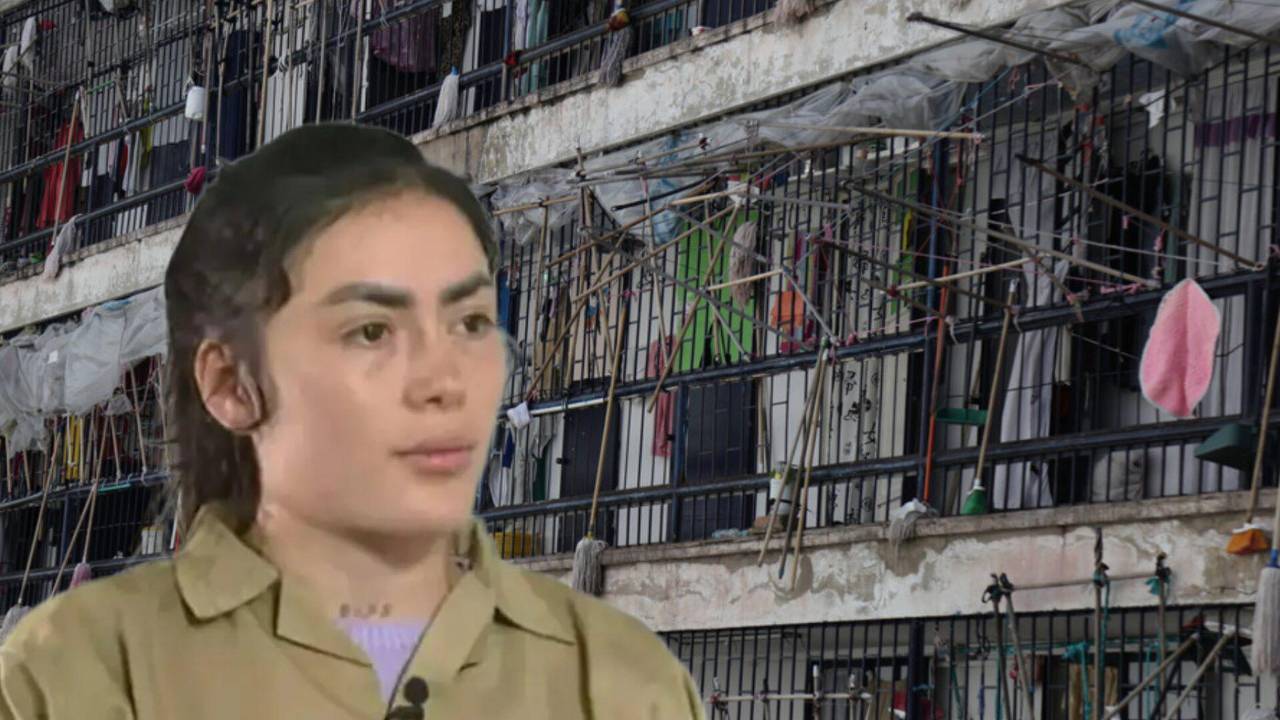
Epa Colombia reaches reparation agreement with TransMilenio
On October 1, 2026, a Bogotá judge officially approved a comprehensive reparation agreement between TransMilenio S.A. and Daneidy Barrera Rojas, widely known as the influencer Epa Colombia. The agreement addresses the 467 million pesos in infrastructure damage caused on November 22, 2019, at the Molinos station, for which Barrera Rojas is currently serving a 63-month prison sentence.
Reparation Terms and Financial Restitution
Under the terms approved by the court, Barrera Rojas will pay 100 million pesos directly to TransMilenio. To cover the remaining balance of roughly 300 million pesos remaining, the influencer has agreed to produce 55 pedagogical videos for social media. The monetary value of these educational clips was calculated using the commercial tariff portfolio that Barrera Rojas charged prior to her incarceration.
The pedagogical content aims to promote civic culture, discourage fare evasion, explain the proper use of the official transit recharge application, and emphasize overall system care. Between 20 and 25 of these videos are designated for her primary profile, with the remainder scheduled for distribution via stories.

Legal Restrictions on Social Media and Upcoming House Arrest Request
Despite the court-approved agreement, a major legal obstacle remains regarding the distribution of the educational videos. The original criminal sentence explicitly prohibits Barrera Rojas from operating as an influencer or YouTuber during the entirety of her prison term. Consequently, the publication of these digital assets will stay suspended until she completes her sentence or secures a favorable change in her legal conditions.
During the hearing, Barrera Rojas also announced her intention to request house arrest. Having served approximately 26 months of her 63-month sentence, her defense will seek a conditional release under Article 38B of the Colombian Penal Code, citing demonstrated good behavior.
Additional Restitution Measures and Court Oversight
Beyond the financial settlement and digital content creation, the broader reparation framework outlines alternative forms of civic restoration. The agreement accounts for potential community service, direct educational outreach inside transit stations, and formal public apologies.
Executing these specific activities, however, is contingent upon receiving explicit prior authorization from a designated criminal execution judge.
Timeline of the Case and Ongoing Judicial Proceedings
The approval of this reparation pact marks a significant milestone in a legal saga that began over six years ago following the widespread civil unrest in late 2019. The destruction of the Molinos station equipment resulted in multiple criminal charges, including property damage, disruption of public transport, and incitement to commit a crime.
With the financial agreement now formalized and a petition for house arrest pending under Article 38B, the judiciary will determine the timeline for her remaining sentence and the ultimate viability of her civic education campaign.