
Indonesia’s Raja Ampat Threatened by Mining
Pristine coral reefs face devastation from mining activities.
Raja Ampat, an Indonesian archipelago, faces threats from mining that could devastate its unique marine ecosystem. Its waters, rich with coral and endemic species, are now at risk. This area is part of the Coral Triangle, which holds 75% of the world’s coral species.
Coral Reefs at Risk
Covering an area slightly bigger than Florida, Raja Ampat was designated a UNESCO Global Geopark in 2023. In addition to its diverse marine life, its tropical rainforests shelter numerous terrestrial species, including endemic birds-of-paradise.
According to marine scientist Edy Setyawan, who has studied Raja Ampat’s cartilaginous fish for over a decade, mining poses a significant threat. Mining activities can kill coral reefs via chemical contamination or increased water turbidity, which disrupts the photosynthesis of vital algal symbionts.
Setyawan, lead conservation expert at Elasmobranch Institute Indonesia, explained the effects of sedimentation. “[Sediments] can also directly bury [the corals]. Imagine getting buried alive,”
he said.
Impact on Marine Life
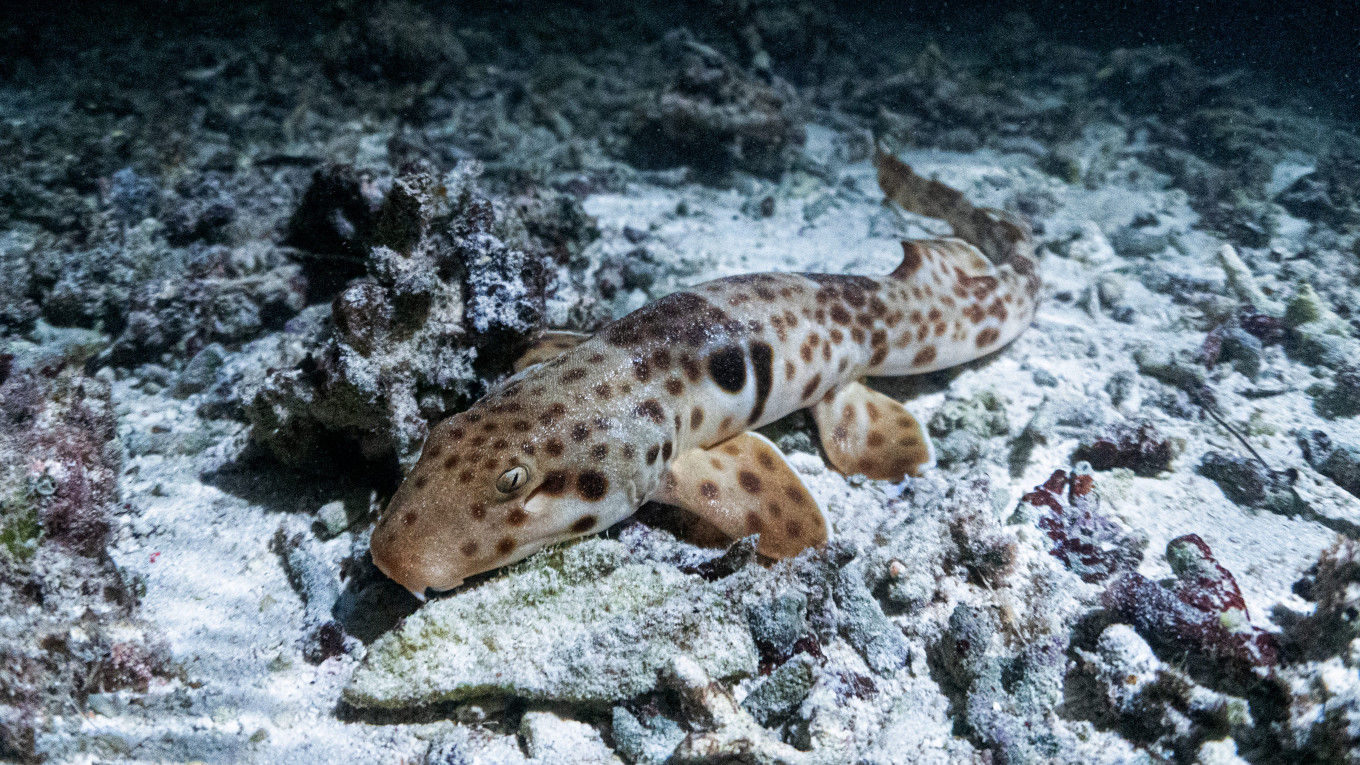
The destruction of coral habitats would directly threaten the endemic “walking shark” (Hemiscyllium freycineti). These sharks tend to live in one small coral area for their entire 20- to 25-year lifespan, according to Edy Setyawan.
Mining activities also threaten manta rays and sperm whales found in these waters. Rising ocean temperatures are also a major threat to coral reefs worldwide; a recent NOAA study found that coral bleaching events are becoming increasingly frequent and severe (NOAA, 2024).
