
Amanda Lear‘s Trans History Explored in Sundance Documentary ‘Enigma’
Table of Contents
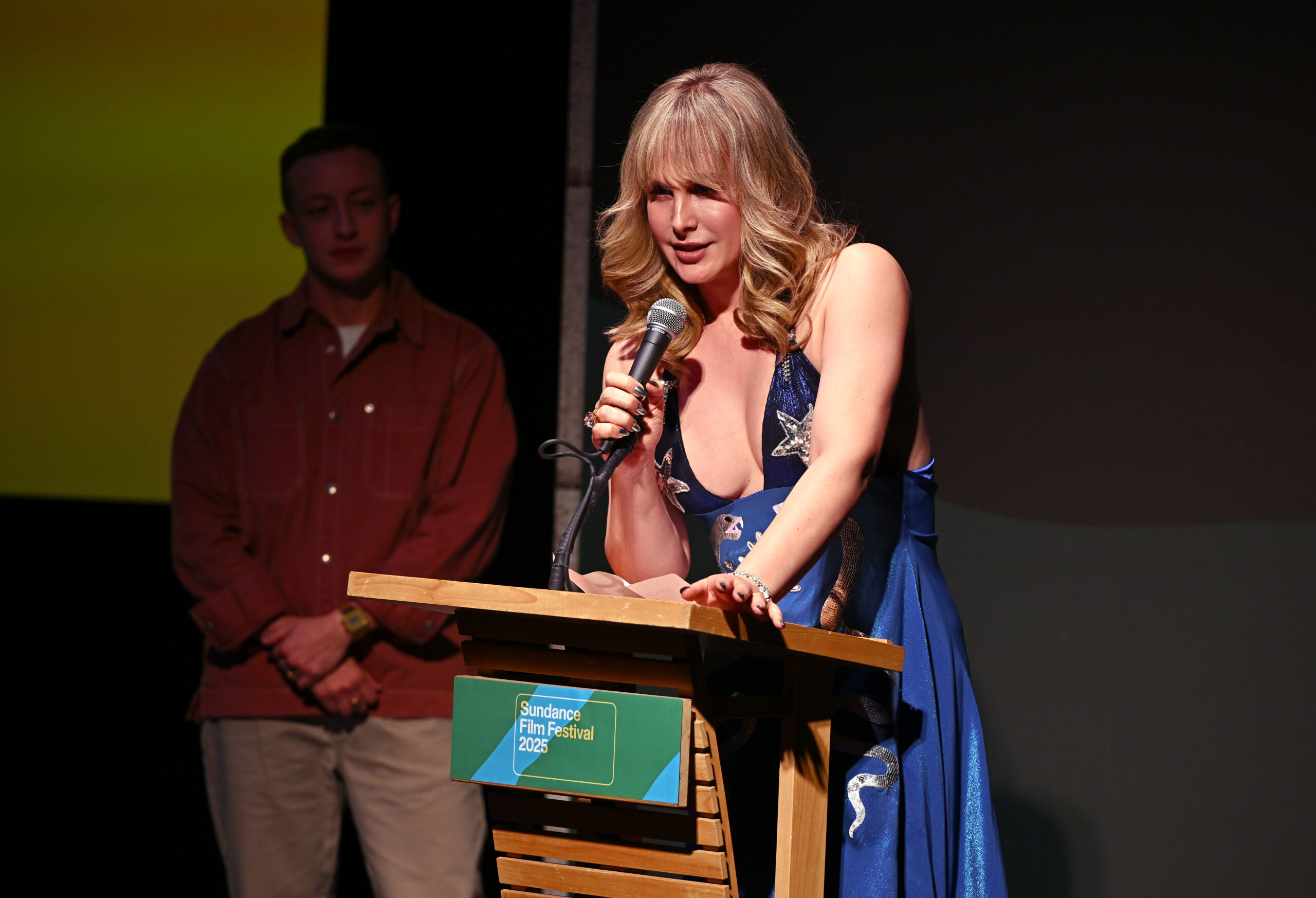
The new documentary,Enigma,premiered at the 2025 Sundance Film Festival,exploring the life and legacy of pop star Amanda Lear and her connection to trans history. Director Zackary Drucker, a trans woman herself, engaged with Lear to uncover her perspective on her influential career and identity, a topic that has long been debated within the trans community.
The Making of Enigma: Unveiling Trans History
Noah Levy, the producer, spent a year in conversation with Amanda Lear before she agreed to participate in the documentary. Drucker, recognizing Lear as a pivotal figure, joined the project to explore the complexities of her story. the film aims to integrate the history of the trans community into mainstream narratives, addressing the oppression and marginalization faced by these individuals [[1]].
Enigma focuses on Le Carrousel de Paris, a venue renowned for its cross-dressing cabaret shows since 1948, and incorporates the narrative of trans model April Ashley. Drucker’s team sought out surviving dancers and models who had worked with Ashley and Lear, recognizing the scarcity of documented material from early generations of gender rebels.
Did You Know? Le Carrousel de Paris was a groundbreaking venue that provided a platform for trans performers during a time of significant social stigma.
Archival Footage: A Window into the Past
Claire Didier, the editor, highlighted the importance of archival footage in reconstructing the past. Dolly van Doll and Bambi, two trans Carrousel showgirls, extensively filmed themselves, providing invaluable 8mm footage from the 1950s and 1960s that formed the backbone of the film’s past narrative.
April Ashley’s Contribution and Amanda Lear’s Legacy
April Ashley, who was appointed a Member of the Order of the British Empire (MBE) in 2012 for her contributions to transgender equality, passed away in 2021 before Enigma was in production. Her extensive late-life interview became a crucial element of the film.
Drucker emphasized Lear’s unique status, stating, “You have a legacy, whether you claim your descendants or not. You’re a huge icon who’s just propelled herself into the stratosphere of global fame.” Drucker approached the interview with honesty,seeking to understand Lear’s perspective on her identity. According to Drucker, Lear was open and respectful during the interview.
Pro Tip: When researching historical figures, consider exploring archival footage and interviews to gain deeper insights into their lives and perspectives.
Lear’s Reaction to the Film
Drucker confirmed that Lear has seen the film, expressing hope that she will eventually appreciate it. The director was transparent with Lear about the film’s goals and her own identity as a trans woman.
Key Figures in “enigma”
| Name | Role | Importance |
|---|---|---|
| Amanda Lear | Subject | Pop star and central figure in exploring trans history and identity. |
| Zackary Drucker | Director | Trans woman aiming to uncover Lear’s perspective and integrate trans history into mainstream narratives. |
| April Ashley | Interviewee | Trans model whose late-life interview provided critical insights. |
| Noah Levy | Producer | Initiated the project and secured amanda Lear’s participation. |
| Claire Didier | Editor | Emphasized the importance of archival footage in telling the story. |
The Enduring Impact of Transgender Representation
The fight for transgender equality has seen significant progress in recent years, with increased visibility and acceptance in mainstream media. However,challenges remain,including discrimination,violence,and lack of legal protections. Documentaries like Enigma play a crucial role in preserving the stories of early trans pioneers and promoting understanding and empathy.
The historical context of trans representation is essential to understanding the current landscape. Figures like Amanda lear and April Ashley navigated a world with far less acceptance and visibility, making their contributions all the more significant. Their stories provide inspiration and guidance for future generations of trans individuals and allies.
Frequently Asked Questions About Transgender History
Why is it vital to document transgender history?
Documenting transgender history ensures that the experiences and contributions of trans individuals are recognized and remembered. It helps to combat erasure and provides a foundation for future advocacy and understanding.
What are some key milestones in the fight for transgender equality?
Key milestones include the stonewall Riots, the removal of “gender identity disorder” from the DSM, and the increasing legal recognition of transgender rights in various countries.
How can I become an ally to the transgender community?
You can become an ally by educating yourself about transgender issues,using correct pronouns and names,supporting transgender rights legislation,and speaking out against discrimination.
What resources are available for transgender individuals and their families?
Resources include organizations like the Human Rights Campaign, the National center for Transgender Equality, and local LGBTQ+ centers that offer support, advocacy, and community.
What aspects of transgender history do you find most compelling? How can documentaries like Enigma contribute to greater understanding and acceptance?
Share your thoughts and join the conversation below!
