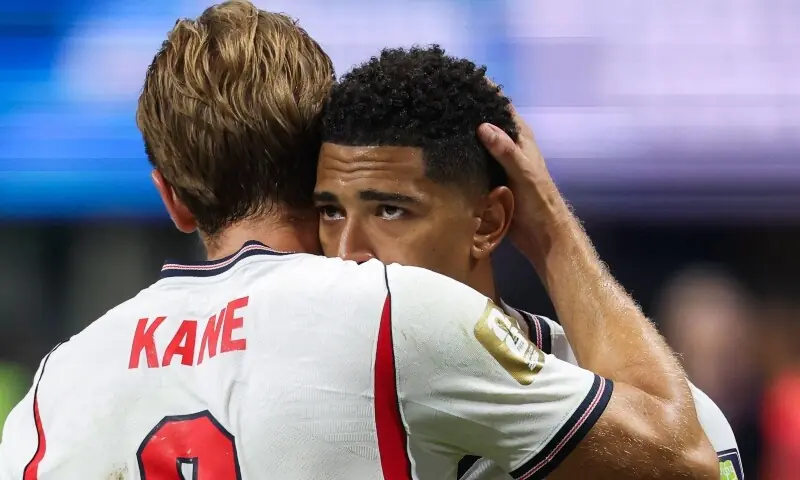
England vs Argentina: The Familiar Heartbreak of a World Cup Collapse
England was eliminated from the 2026 World Cup in the semi-finals following a 2-1 defeat to Argentina on July 15, 2026. Despite an early lead from Anthony Gordon, England surrendered control in the final minutes. The loss marks the seventh consecutive knockout exit against a top-10 ranked nation since 1998.
The Anatomy of a Late-Stage Collapse
The match at Atlanta Stadium reflected a recurring historical tension in English football. After Anthony Gordon capitalized on a disciplined first-half performance to score in the 55th minute, the team appeared poised to reach its first World Cup final since 1966. However, the momentum shifted decisively in the final ten minutes.

Enzo Fernandez leveled the score in the 85th minute, followed by a Lautaro Martinez header in the 92nd minute off a delivery from Lionel Messi. According to match data, England’s defensive shift to a back-five formation—a tactical decision implemented by manager Thomas Tuchel—coincided with a sharp decline in possession, which dropped to 12 percent between the opening goal and the final whistle. This transition from an attacking press to a defensive posture is a strategy that has drawn immediate scrutiny from analysts and former players alike.
Joe Hart, the former England goalkeeper, noted the parallels between this loss and the tenure of Gareth Southgate, specifically regarding the tendency to “shut up shop” when protecting a narrow lead. The inability to sustain offensive pressure against elite opposition remains the defining characteristic of England’s modern tournament performance.
Strategic Departures and the Cost of Selection
The 2026 roster selection by Thomas Tuchel was marked by the omission of several high-profile players, including Phil Foden, Cole Palmer, and Trent Alexander-Arnold. Tuchel’s objective was to prioritize a specific blend of grit and experience, yet the tactical execution failed to produce the desired result against a top-ranked Argentine side.

The reliance on players like Jordan Henderson, who saw limited competitive action leading into the tournament, raised questions about the squad’s match readiness. While Tuchel maintained after the match that he had “no regrets” regarding his personnel choices, the statistical reality remains stark: England has not won a knockout match against a top-10 ranked opponent in nearly three decades.
Infrastructure and the Economic Impact of Sporting Expectations
The societal impact of England’s tournament exits extends beyond the pitch.

Furthermore, as the nation pivots toward the 2028 home Euros, the pressure on the Football Association to implement structural reforms will likely intensify.
A Legacy of Unmet Potential
The 2026 campaign was intended to be the moment England finally moved past the “egotistical” labels of previous generations, yet the result suggests the team remains trapped in a familiar loop. With the 2028 European Championship looming on home soil, the national team faces a period of intense introspection.
As Harry Kane noted in the immediate aftermath, the squad must now identify the “missing piece” that prevents them from closing out matches against world-class opposition. Whether that involves a fundamental change in philosophy, personnel, or management remains the central question for the FA. Until the team demonstrates the capacity to maintain intensity when leading against elite sides, the pattern of early exits is likely to persist. The trophy remains in Argentina, and for England, the wait continues.
Understanding these frameworks is the only way to move beyond the cycle of hope and heartbreak that has defined England’s relationship with the World Cup for sixty years.