
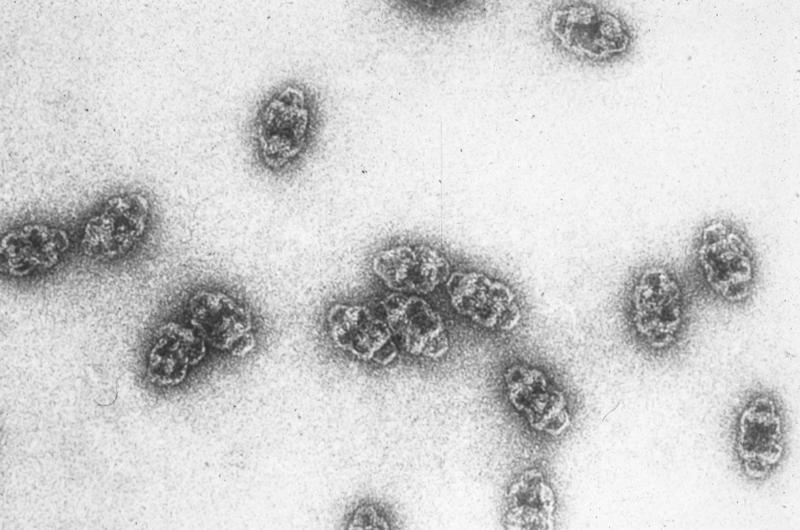
RNA ‘Vaults’: A New Frontier in Disease Detection and Treatment
Published: 2026/01/21 05:07:18
For decades, scientists have known about cellular structures called vaults, but their precise function remained a mystery. Now,groundbreaking research reveals these enigmatic compartments aren’t just cellular baggage; they actively ‘eavesdrop’ on RNA,offering a potential new avenue for understanding and combating diseases like cancer. This discovery promises to revolutionize diagnostics and therapeutic interventions, moving us closer to personalized medicine.
What are Vaults and Why Were They a Mystery?
Vaults are large, ribonucleoprotein structures found in the cytoplasm of eukaryotic cells – meaning cells with a nucleus, like those in humans, animals, and plants. Discovered in the 1980s,they’re remarkably complex,resembling tiny barrels constructed from proteins. Initially, their function was unclear, leading some to believe they were simply cellular waste disposal units. However,their widespread presence and intricate structure hinted at a more significant role.
Recent research, however, has dramatically shifted this viewpoint. Scientists now understand that vaults aren’t passive bystanders but active participants in cellular processes,especially those involving RNA. They act as sensors and transporters of RNA molecules, influencing gene expression and cellular signaling.
The Composition of a Vault
A typical vault is composed of:
- Vault proteins (VPs): These proteins form the structural shell of the vault.
- Ribonucleoproteins (RNPs): Complexes of RNA and proteins that are encapsulated within the vault.
- Non-coding RNAs: Various types of RNA that don’t code for proteins but play crucial regulatory roles.
How Vaults ‘Eavesdrop’ on RNA
The key to understanding vault function lies in their ability to bind to and transport specific RNA molecules. this isn’t a random process.Vaults selectively recognize RNA based on its sequence and structure. This selective binding allows them to act as sensors, detecting changes in RNA levels that can indicate disease states.
Researchers have discovered that vaults are particularly sensitive to changes in messenger RNA (mRNA), the molecule that carries genetic instructions from DNA to ribosomes for protein synthesis. By monitoring mRNA levels, vaults can provide an early warning system for cellular stress or disease advancement. This is particularly relevant in cancer, where abnormal mRNA expression is a hallmark of the disease.
Implications for Cancer Research
The ability of vaults to detect and respond to changes in RNA makes them a promising target for cancer research. Here’s how:
- early Cancer Detection: Vaults could be used to develop highly sensitive diagnostic tests that detect cancer at its earliest stages, even before symptoms appear. By analyzing the RNA cargo within vaults, doctors could identify subtle changes indicative of cancerous growth.
- Targeted Drug Delivery: Researchers are exploring the possibility of loading vaults with therapeutic agents,such as drugs or RNA interference (RNAi) molecules,and directing them specifically to cancer cells. This targeted delivery system could minimize side effects and maximize treatment efficacy.
- Understanding Metastasis: vaults appear to play a role in the spread of cancer (metastasis).Understanding how vaults facilitate this process could lead to new strategies for preventing cancer from spreading to other parts of the body.
A study published in Nature in late 2025 demonstrated that manipulating vault proteins could substantially reduce tumor growth in preclinical models. While still in its early stages, this research offers a glimmer of hope for new cancer therapies.
Beyond Cancer: Other Potential Applications
The potential of vault-based technologies extends far beyond cancer.Researchers are investigating their role in a variety of other diseases,including:
- Neurodegenerative Diseases: Vaults are abundant in neurons and may be involved in the development of diseases like Alzheimer’s and parkinson’s.
- viral Infections: Some viruses hijack vaults to facilitate their replication and spread. Understanding this interaction could lead to new antiviral therapies.
- Autoimmune Disorders: Vaults may play a role in regulating the immune system,and their dysfunction could contribute to autoimmune diseases.
Challenges and Future Directions
Despite the exciting progress, several challenges remain. One major hurdle is the difficulty of studying vaults due to their complex structure and dynamic nature. Developing new tools and techniques to visualize and manipulate vaults is crucial for further research.
Another challenge is understanding the full range of RNA molecules that vaults interact with. A thorough map of these interactions is needed to fully elucidate vault function.
looking ahead, researchers are focused on:
- Developing vault-based biomarkers for early disease detection.
- Engineering vaults to deliver targeted therapies.
- Investigating the role of vaults in a wider range of diseases.
Key Takeaways
- Vaults are cellular structures that were once considered mysterious but are now recognized as active players in cellular processes.
- They ‘eavesdrop’ on RNA, sensing changes that can indicate disease.
- Vaults hold immense potential for early cancer detection, targeted drug delivery, and the development of new therapies for a variety of diseases.
- Further research is needed to fully understand vault function and unlock their therapeutic potential.
The discovery of vaults’ role in RNA regulation marks a significant step forward in our understanding of cellular biology. As research continues, these enigmatic structures promise to unlock new avenues for disease detection, treatment, and ultimately, improved human health.
