
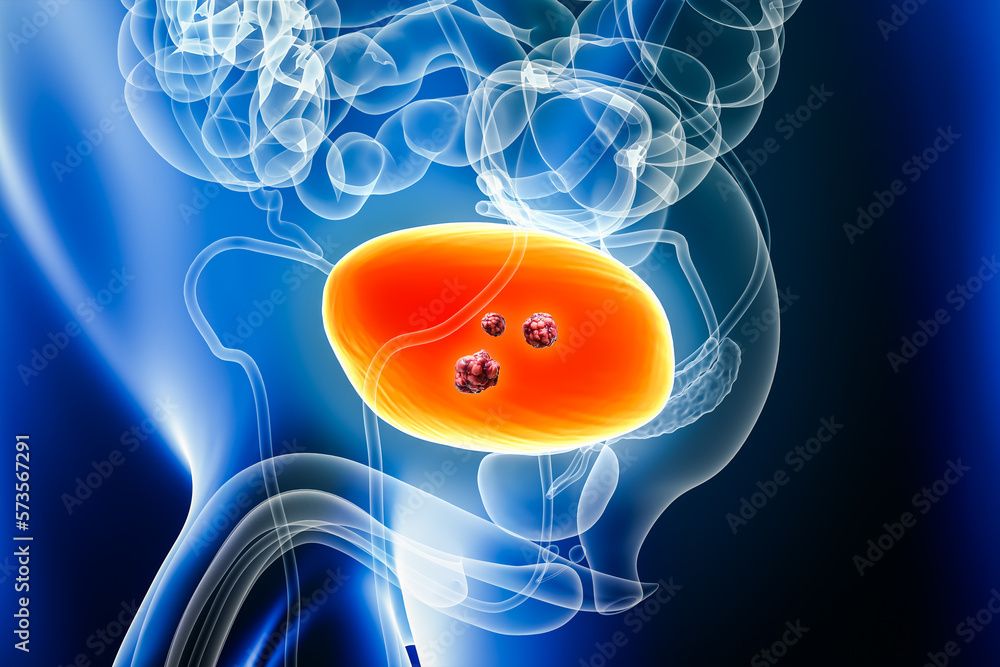
Enfortumab vedotin + pembrolizumab is now at the center of a structural shift involving the standard of care for muscle‑invasive bladder cancer (MIBC). The immediate implication is a potential move away from platinum‑based chemotherapy toward a biologic‑driven, peri‑operative regimen.
The Strategic Context
MIBC has long been treated with radical surgery complemented by cisplatin‑based neoadjuvant chemotherapy,a paradigm established in the 1990s adn reinforced by guideline committees worldwide. Over the past decade, the oncology field has witnessed a broader transition toward immunotherapy and antibody‑drug conjugates (ADCs) in solid tumors, driven by advances in molecular profiling, the rise of checkpoint inhibitors, and the commercial success of ADC platforms in hematologic and breast cancers. This evolution coincides with demographic pressures-an aging patient population in high‑income markets that raises the prevalence of MIBC and the proportion of patients deemed ineligible for cisplatin due to comorbidities. The convergence of these structural forces creates a fertile habitat for a platinum‑free, biologic‑centric treatment pathway.
Core Analysis: Incentives & Constraints
Source Signals: The interim analysis of the phase 3 EV‑304 trial reports statistically notable improvements in event‑free and overall survival for patients receiving enfortumab vedotin plus pembrolizumab versus standard gemcitabine‑cisplatin. The trial includes both neoadjuvant and adjuvant settings and enrolls cisplatin‑eligible patients. company statements emphasize that the data extend the benefit to cisplatin‑ineligible patients, referencing prior US approval for that subgroup. The combination targets Nectin‑4, highly expressed in bladder cancer, delivering a cytotoxic payload (MMAE) while together engaging the PD‑1 axis.
WTN Interpretation:
– Incentives. Astellas and Merck have aligned interests: Astellas seeks to expand the market for its ADC platform beyond niche indications,while Merck aims to deepen the pembrolizumab franchise into earlier‑line settings. Demonstrating superiority to cisplatin offers a differentiated value proposition that can command premium pricing and secure reimbursement in health systems increasingly focused on outcomes.
– Leverage. Both firms possess extensive regulatory experience and global sales networks, enabling rapid market entry once pivotal data are confirmed. The partnership also leverages existing safety data for each component, reducing growth risk.
– constraints. The regimen’s cost structure-combining two high‑priced biologics-poses reimbursement challenges, especially in publicly funded systems. Additionally, manufacturing capacity for ADCs is limited, potentially constraining scale. Clinical adoption may be slowed by entrenched surgical‑oncology pathways and the need for guideline updates, which typically lag behind pivotal trial announcements.
WTN Strategic Insight
“The EV‑304 breakthrough illustrates how the convergence of an aging patient base and the maturation of ADC technology is reshaping oncology’s therapeutic hierarchy, turning biologics into the new backbone of curative intent treatment.”
Future Outlook: Scenario Paths & Key Indicators
Baseline Path: If regulatory agencies endorse the EV‑304 data and health‑technology assessment bodies grant favorable reimbursement, the enfortumab‑vedotin + pembrolizumab regimen will become the preferred peri‑operative option for both cisplatin‑eligible and -ineligible MIBC patients in major markets (US, EU, Japan). Adoption will gradually displace cisplatin‑based neoadjuvant protocols, leading to a reallocation of oncology budgets toward biologic therapies and a modest increase in overall treatment costs offset by reduced surgical complications.
Risk Path: If cost‑containment pressures intensify-e.g., through stricter pricing negotiations in Europe or delayed reimbursement decisions in the US-the regimen’s market penetration could stall. In that scenario, clinicians may revert to hybrid approaches (cisplatin plus immunotherapy) or continue using surgery alone, preserving the status quo and limiting the commercial upside for both companies.
- Indicator 1: Timing and outcome of the FDA’s full‑sponsor review for the EV‑304 data (expected within the next 3‑4 months).
- Indicator 2: Reimbursement rulings from major HTA agencies (e.g., NICE in the UK, IQWiG in Germany) on the cost‑effectiveness of the ADC‑immunotherapy combo.
