
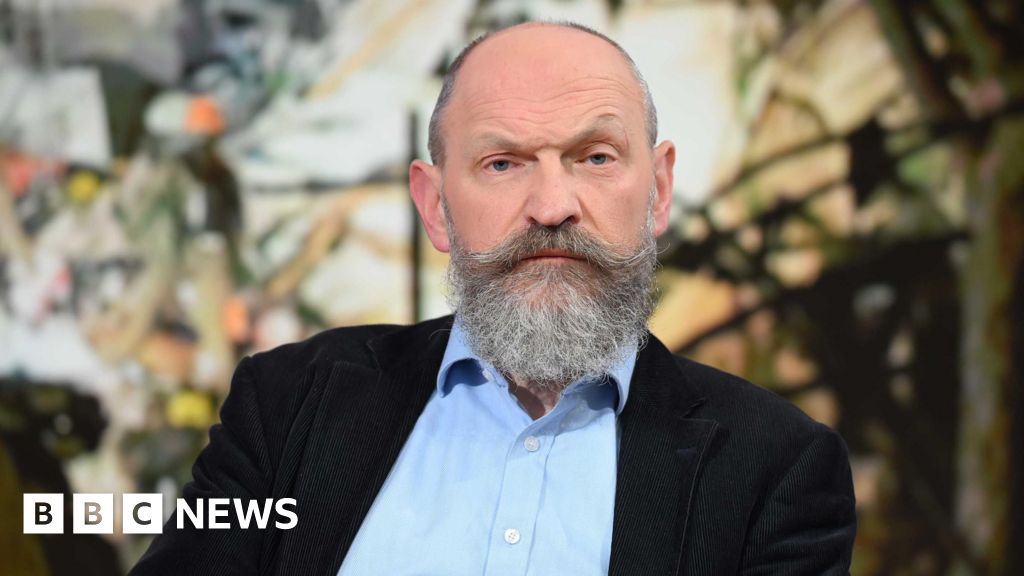
Energy Price Caps: Lord Walker Calls for Action on Profits
The UK government is considering a temporary cap on energy company profits following a call from its Cost of Living Champion, Lord Richard Walker, amid escalating tensions in the Middle East that have driven up oil prices. Walker, who is too executive chairman of supermarket chain Iceland, proposed the measure in a Sunday Times interview, warning that households face bearing the brunt of further price increases.
Walker urged ministers to examine limiting earnings for both producers and retailers during periods of extreme market volatility, describing the potential for “opportunistic rip-offs” as families struggle with rising costs. He framed the proposal as a targeted intervention, not a permanent measure, stating, “As executive chairman of a retailer, I have no problem with profit… But I do have a big problem with profiteering, especially when families are under real pressure.”
The suggestion comes as Brent crude oil prices have surpassed $100 a barrel in recent weeks, briefly reaching $119 before easing, following attacks on key infrastructure in the Gulf. These disruptions threaten a significant supply shock, potentially leading to sustained inflation and slower economic growth. The government has already convened meetings with energy producers and petrol retailers, a move Walker characterized as a “shot across the bows” intended to discourage excessive pricing. The Competition and Markets Authority (CMA) was also present at the meetings, signaling a willingness to strengthen its regulatory powers if necessary.
Lord Walker was appointed as the government’s Cost of Living Champion in February 2026 by Prime Minister Keir Starmer, tasked with identifying ways to ease financial pressures on families. According to a government press release, Walker will function across departments and with businesses to deliver practical solutions to the cost of living crisis, building on existing support measures such as energy bill discounts and the removal of the two-child benefit cap.
Walker’s advocacy for a profit cap goes further than existing windfall taxes on energy companies. While windfall taxes aim to capture previously earned profits, a profit cap would directly restrict earnings during periods of crisis. This approach is likely to generate debate within both the business community and government, as highlighted by reporting in City A.M.
The appointment of Walker, a Labour peer and long-time advocate for social causes, including the Iceland Food Club – a microcredit scheme aimed at alleviating food poverty – has been met with some skepticism. Critics, such as those writing in Cato Institute commentary, suggest that creating a “Cost of Living Tsar” represents merely superficial action rather than addressing the underlying causes of inflation and economic hardship.
As of Sunday, March 22, 2026, the government has not publicly responded to Walker’s specific proposal for a temporary profit cap. It remains unclear whether ministers will pursue this measure, or what form any such intervention might take. The CMA is continuing to monitor energy markets and assess the demand for stronger regulatory oversight.