
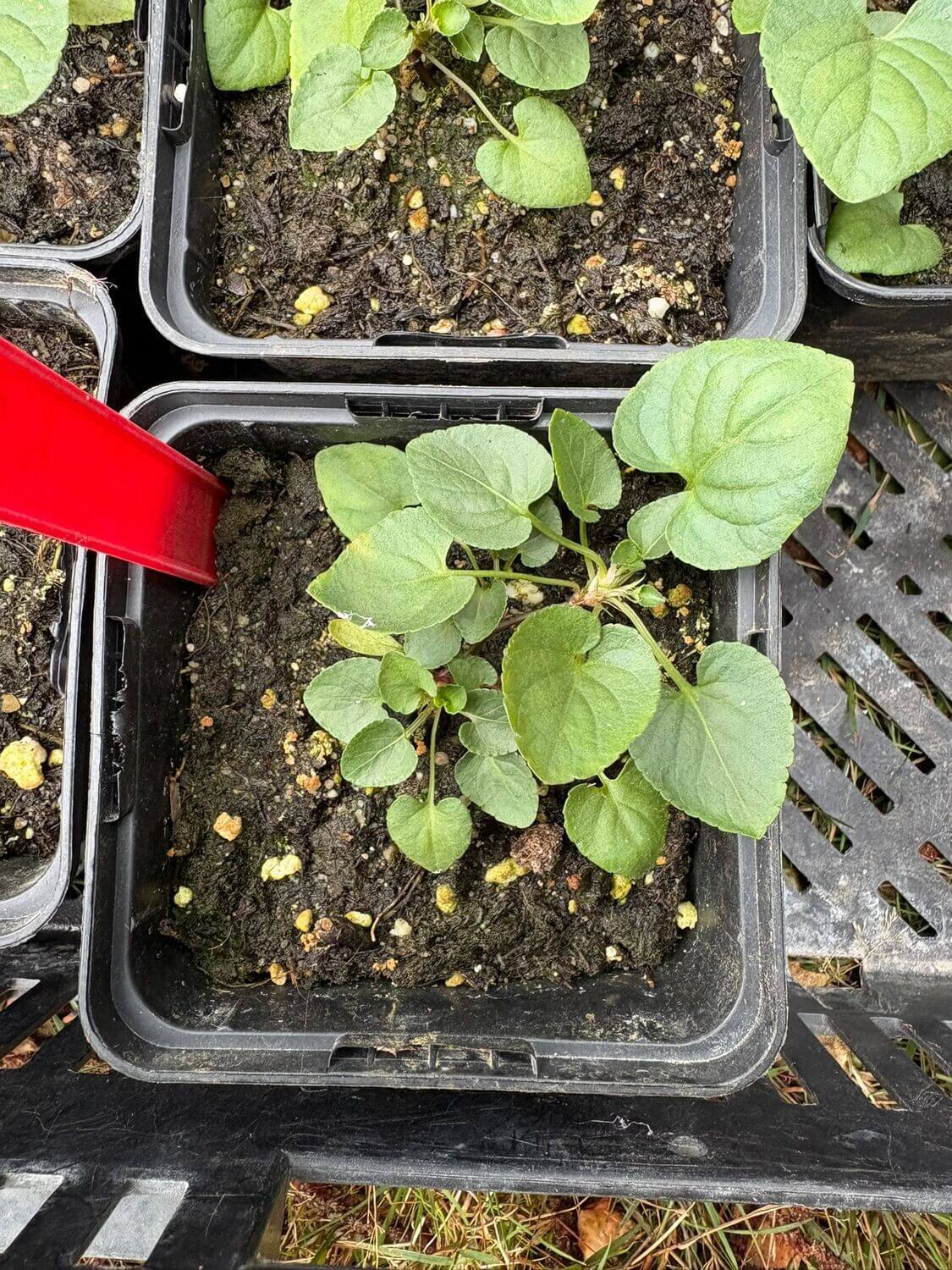
ROTSELAAR, Belgium – Volunteers from Natuurpunt and students from the Wijnpers school today revitalized the Wijngaardberg in Rotselaar by planting seeds and seedlings of 14 endangered plant species, including grass clock and rosary, in an effort to bolster dwindling wild plant populations in Flanders.
The initiative,a collaborative effort with the Botanic garden Meise,aims to reverse a concerning trend: approximately one in three of Flanders’ wild plant species are currently in decline,according to Natuurpunt biologist Annelies Jacobs. “It is currently estimated that 1 in 3 of our wild plant species is currently deteriorating, or even very seriously threatened,” Jacobs stated.
Seeds were first collected from existing populations and then cultivated before being replanted on the Wijngaardberg. Students from the Wijnpers school participated in a full day of planting,gaining practical experience complementing their scientific studies. “This practical experience is unique,” noted Deputy Bart Nevens, adding, “They are involved in the process from the start. The scientific knowlege from the university has been merged with practice.”
Beyond simply restoring plant numbers, Natuurpunt emphasizes the crucial role these species play in supporting broader biodiversity. “we’re not just going to bring back a few plants here,” Jacobs explained. “These plants are the basis for a whole ecosystem.” She highlighted the grass clock as a vital food source for bees and other species like the blue knot, stating, “So those plants are extremely crucial. They form the foundation and the building block for a whole ecosystem that depends on it.” The project seeks to prevent the loss of these ”special species” from the Flemish landscape.
