
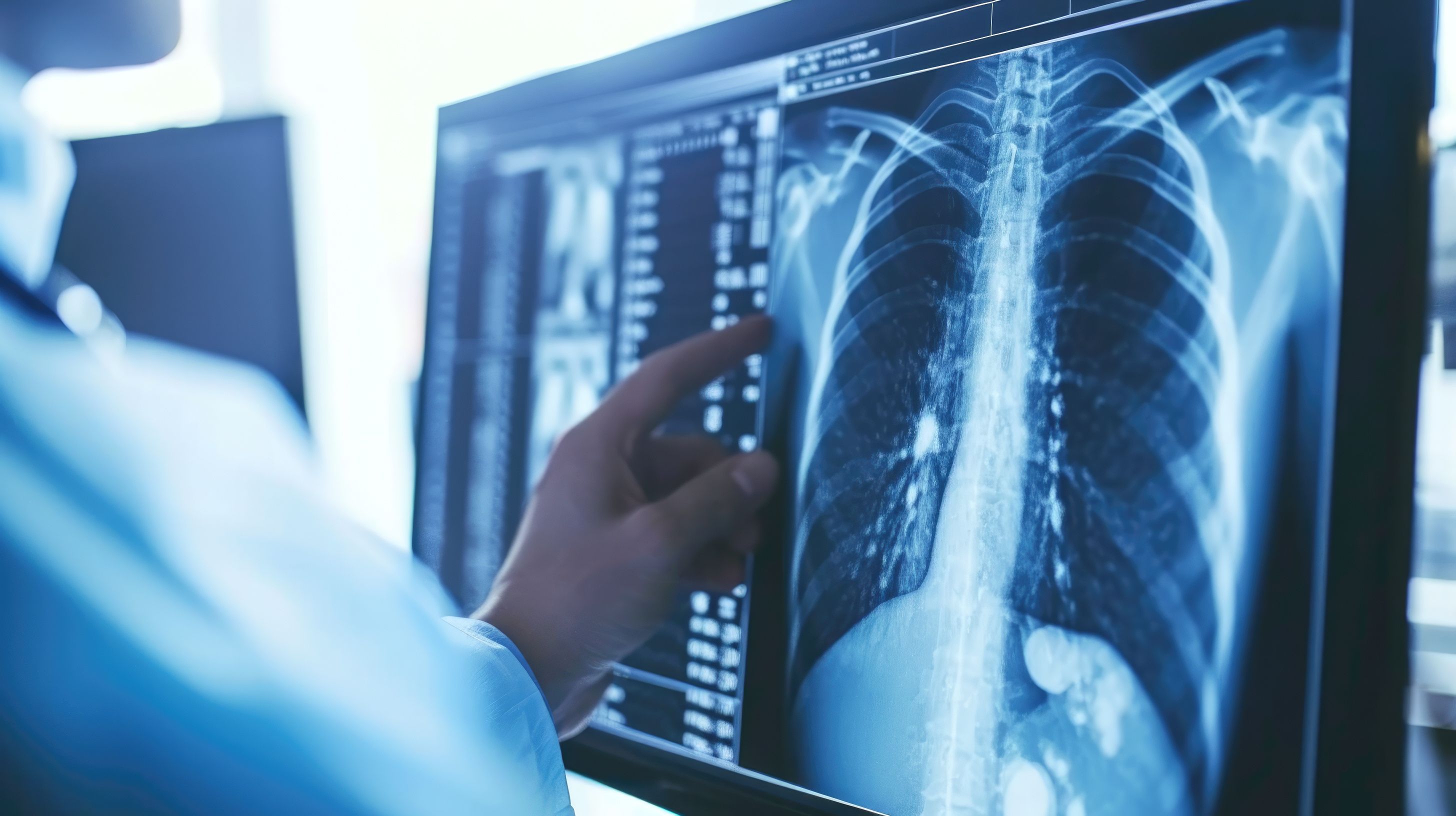
Lung cancer remains a leading cause of cancer-related deaths globally, with non-small cell lung cancer (NSCLC) accounting for the majority of cases.While targeted therapies, like tyrosine kinase inhibitors (TKIs), have significantly improved patient outcomes, the development of drug resistance is a frequent and ofen inevitable challenge. Emerging research highlights the critical role of the tumor microenvironment (TME) in fostering this resistance, especially through the actions of cancer-associated fibroblasts (CAFs) which help cancer cells evade the effects of targeted treatments.1-3 Understanding this complex interplay is crucial for developing more effective treatment strategies.
The Tumor Microenvironment: A Complex Ecosystem
The TME is far from a passive bystander in cancer progression. It’s a dynamic and intricate network comprising immune cells, stromal cells, the extracellular matrix, and a variety of growth factors. these components constantly interact with cancer cells,influencing their growth,survival,and response to therapy. In NSCLC, CAFs – activated fibroblasts within the tumor – play a particularly significant role in modulating treatment sensitivity and overall tumor growth.4 Pharmacists, as integral members of the oncology care team, must recognize that a patient’s response to targeted therapy isn’t solely determined by the genetic characteristics of their cancer cells, but also by the broader cellular environment surrounding the tumor.
Cancer-Associated Fibroblasts: Mechanisms of Resistance
Recent studies have begun to unravel the specific mechanisms by which CAFs contribute to drug resistance. A groundbreaking study published in Science Signaling demonstrated that CAFs induce resistance to ALK inhibitors in NSCLC cells harboring the EML4-ALK fusion gene through a dual-pronged approach: paracrine signaling and direct cell-to-cell contact.2
Paracrine Resistance: The Growth Factor pathway
The study revealed that CAFs release growth factors,notably hepatocyte growth factor (HGF),into the surrounding environment. This HGF activates the MET pathway in cancer cells, effectively bypassing the intended target of ALK inhibitors and leading to resistance. This “paracrine” signaling – where CAFs influence cancer cells from a distance – provides a protective shield for the tumor.
Juxtacrine Resistance: Cell-to-Cell Interactions
Beyond secreted factors, direct physical contact between cancer cells and CAFs also promotes resistance.This interaction activates integrin beta-1 signaling within cancer cells, triggering survival pathways that counteract the effects of the TKI. Importantly, the researchers found that inhibiting either the MET pathway or the integrin pathway alone was insufficient to overcome resistance. However, simultaneously blocking both pathways effectively reversed the resistance to ALK inhibitors.2 This highlights the redundancy and interconnectedness of the mechanisms employed by CAFs to protect cancer cells.
Clinical Implications and Beyond Preclinical Models
The implications of CAF-mediated drug resistance extend far beyond the laboratory. In clinical practice, TKIs targeting driver mutations like ALK, EGFR, and ROS1 have revolutionized NSCLC treatment, with drugs like alectinib (Alecensa; Novartis) and ceritinib (Zykadia; Novartis) offering significant improvements in progression-free survival. However, the emergence of resistance remains a major obstacle. CAFs, along with other components of the TME, contribute to treatment failure and disease progression by diminishing apoptosis (programmed cell death) and enhancing proliferative signaling within tumor cells, effectively rendering single-agent targeted therapies less effective.5
Emerging Therapeutic Strategies: Targeting the Microenvironment
Recognizing the critical role of the TME,researchers are actively exploring strategies to overcome resistance by targeting not only the cancer cells themselves but also their supportive microenvironment. Combination therapies are showing particular promise. As demonstrated in preclinical models, combining MET and integrin pathway inhibitors with ALK TKIs proved more effective at suppressing tumor growth than using any single agent alone.2 This provides a strong rationale for conducting clinical trials to evaluate similar combination regimens in patients.
Beyond targeting CAFs directly, researchers are also investigating strategies that modulate the interaction between cancer cells and the immune components of the TME. Immunotherapy, particularly with PD-1 and PD-L1 inhibitors, has transformed NSCLC treatment, but responses are often variable. Emerging evidence suggests that the TME can significantly influence the effectiveness of immunotherapy.2 Thus, combining immunotherapeutic approaches with therapies designed to modify the tumor microenvironment may enhance treatment outcomes.
The Role of Lipid Metabolism
Recent research has further illuminated the mechanisms by which CAFs contribute to resistance. A study published in Cancer Metabolism found that CAFs promote drug resistance in ALK-driven lung adenocarcinoma cells by upregulating lipid biosynthesis.6 This suggests that targeting lipid metabolism within the TME could be a novel therapeutic strategy to overcome resistance.
Conclusion: A Paradigm Shift in Cancer Treatment
The intricate interplay between tumor cells and the surrounding microenvironment, particularly the influence of CAFs, has emerged as a major driver of targeted therapy resistance in NSCLC.1-3 A deeper understanding of these mechanisms provides opportunities for pharmacists and the broader oncology team to develop and implement more individualized therapeutic approaches that can predict and potentially circumvent resistance.
As research continues to unravel the complexities of the TME and identify novel therapeutic targets,the oncology care team – including pharmacists – must remain at the forefront of translating scientific advancements into clinical practice. This collaborative effort is essential to improve outcomes and enhance the quality of life for patients battling NSCLC.
REFERENCES
Hu Q, Remsing LL, Desai B, et al. Cancer-associated fibroblasts confer ALK inhibitor resistance in EML4-ALK–driven lung cancer by concurrent integrin and MET signaling. Science signaling. 2025;18(918):eads7662-eads7662. doi:10.1126/scisignal.ads7662
chandra R, Ehab J, Hauptmann E, et al. The Current State of Tumor Microenvironment-Specific Therapies for Non-Small Cell Lung Cancer. Cancers (Basel). 2025;17(11):1732. Published 2025 May 22. doi:10.3390/cancers17111732
De Lucia A, Mazzotti L, Gaimari A, et al. Non-small cell lung cancer and the tumor microenvironment: making headway from targeted therapies to advanced immunotherapy. Front Immunol.2025;16:1515748. Published 2025 Feb 10. doi:10.3389/fimmu.2025.1515748
helix Biopharma. The Tumor Microenvironment in NSCLC: A Hidden Force Shaping Cancer Growth and Treatment response Published November 10, 2025. Accessed January 7, 2026. https://www.helixbiopharma.com/blog/the-tumor-microenvironment-in-nsclc-a-hidden-force-shaping-cancer-growth-and-treatment-response/
Daum AK,Schlicker L,Schneider MA,et al. Cancer-associated fibroblasts promote drug resistance in ALK-driven lung adenocarcinoma cells by upregulating lipid biosynthesis. Cancer Metab. 2025;13(1):28. Published 2025 Jun 16. doi:10.1186/s40170-025-00400-7
Moffitt Study Shows How Cancer Cell Death May Harm the Immune System and Promote Tumor Growth. Published November 26, 2024. Accessed January 7, 2026. https://www.newswise.com/articles/moffitt-study-shows-how-cancer-cell-death-may-harm-the-immune-system-and-promote-tumor-growth
