
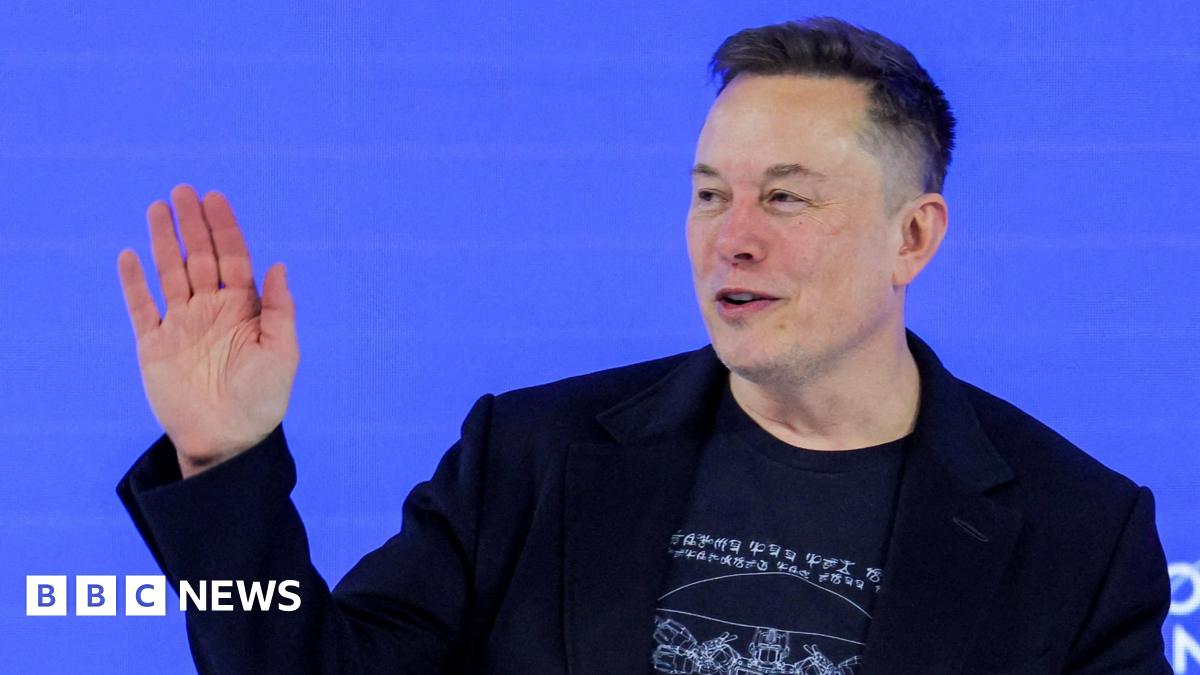
Elon Musk’s SpaceX moves to become a publicly-traded company
SpaceX initiates confidential SEC filing for a June 2026 IPO, targeting a $50 billion capital raise amidst a $1.25 trillion valuation. The move consolidates xAI and Tesla operations, signaling a shift toward integrated aerospace and artificial intelligence infrastructure. Investors face immediate due diligence challenges regarding regulatory compliance and cross-entity resource sharing.
The Liquidity Event and Regulatory Architecture
Elon Musk’s decision to take SpaceX public represents more than a standard liquidity event; it is a structural reorganization of the modern industrial complex. By filing confidentially with the Securities and Exchange Commission, the company retains the flexibility to request regulator feedback without immediate public disclosure. This maneuver shields sensitive valuation metrics during the critical roadshow phase, where executives must convince institutional investors to absorb a $50 billion offering. Such scale demands precision. The market does not forgive errors in prospectus documentation when trillion-dollar valuations are on the line.
Capital markets professionals understand the gravity of this transition. According to the Corporate Finance Institute, careers in capital markets require navigating complex regulatory environments where missteps can derail entire offerings. SpaceX is not merely selling rockets; it is securitizing a vision that spans orbital logistics, global internet connectivity via Starlink, and artificial intelligence compute power. The integration of xAI into the SpaceX balance sheet earlier this year complicates the audit trail. Investors demand clarity on how intellectual property rights flow between entities when a single CEO controls the boardroom dynamics.
Compliance becomes the primary bottleneck. As the company prepares for public scrutiny, the need for specialized legal counsel intensifies. Corporations navigating similar transitions often engage top-tier securities law firms to manage the intersection of aerospace regulation and financial disclosure. The Treasury Department’s oversight of financial markets suggests that any systemic risk posed by such a massive listing will attract federal attention. Privacy during the filing stage is a temporary shield, not a permanent strategy.
Consolidation as a Strategic Moat
The merger with xAI was not an isolated transaction; it was a signal flare. By bringing the artificial intelligence venture under the SpaceX umbrella, Musk demonstrates a consolidation of costs and resources that appeals to efficiency-minded institutional investors. Emily Zheng of Pitchbook noted the strategic necessity of this move, citing the sheer cost of compute, infrastructure, and energy required to expand. This vertical integration creates a defensive moat against competitors who must procure these services externally at market rates.
“Guidelines for analysts on politics and the markets indicate that geopolitical stability is now a pricing factor in tech valuations.” — Analyst Connect March 2026, Seeking Alpha
Market sentiment reflects this shift. The Analyst Connect March 2026 guidelines highlight how geopolitical topics, including conflicts involving Iran, influence market stability. SpaceX’s reliance on global launch sites and satellite deployment means political risk is now embedded in the equity story. Investors are pricing in stability. The consolidation of Tesla, xAI, and SpaceX into a cohesive ecosystem reduces individual entity risk but increases conglomerate complexity. Tesla’s $2 billion investment in xAI and the shift toward robot manufacturing using Grok technology further intertwine the cash flows. Revenue recognition across these entities will require forensic accounting.
Infrastructure Demands and B2B Opportunities
The announcement of Terafab, the massive chipmaking endeavor, underscores the hardware requirements behind the AI ambition. Building data centers in space or sustaining a self-sufficient city on Mars requires supply chains that do not currently exist at scale. This gap creates immediate opportunities for enterprise service providers. Companies capable of delivering high-energy infrastructure and specialized logistics will find themselves in high demand. The race to keep up with compute costs means SpaceX will outsource significant portions of its physical infrastructure development.

Mid-market competitors are scrambling to position themselves as viable vendors. To capture this spend, industrial suppliers are consulting with M&A advisory firms to explore defensive buyouts or partnerships that increase their capacity. A supplier unable to meet the volume requirements of a public SpaceX risks obsolescence. The supply chain bottleneck is not just about materials; it is about energy consumption. The U.S. Department of the Treasury monitors domestic finance closely, and energy-intensive tech projects often face scrutiny regarding grid stability and economic policy. Companies that can guarantee power delivery without regulatory friction will command premium contracts.
The Road Ahead for Public Markets
June 2026 will test the market’s appetite for hyper-growth conglomerates. The $1.25 trillion internal valuation sets a high bar for public market performance. Once the lock-up periods expire, volatility will likely increase as early investors seek exits. The roadmap includes shifting Tesla manufacturing toward robots and expanding Starlink’s global footprint. These initiatives require continuous capital infusion. Public markets provide that liquidity, but they as well demand quarterly accountability. Musk’s grander ambitions, such as building a city on Mars, may face skepticism from shareholders focused on near-term EBITDA.
Investors should watch the roadshow presentations closely for details on governance. The intertwining of Musk’s companies raises questions about conflict of interest and related-party transactions. Transparent reporting will be essential to maintain investor confidence. As the fiscal quarters progress, the ability to separate financial performance between aerospace, AI, and automotive sectors will determine the stock’s multiple. The market rewards clarity. Ambiguity in financial reporting leads to discounted valuations.
For businesses looking to align with this new industrial paradigm, the directory offers vetted partners capable of supporting high-stakes growth. Whether through legal compliance, infrastructure development, or strategic advisory, the right B2B partners mitigate the risks inherent in scaling to public company status. The window to position oneself within this ecosystem is narrowing. Execution now defines the winners of the next decade.