
Pixar’s ‘Elio‘ Flops: Are Original Animated Films Losing Their Spark?
Table of Contents
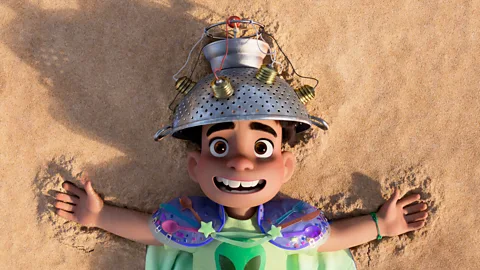
Pixar’s latest animated feature, ‘Elio’, has stumbled at the box office, marking the studio’s worst opening ever and fueling concerns about the viability of original animated films in today’s market. The film, which follows a boy who gets beamed into outer space, grossed just $21 million in the US and $14 million worldwide during its opening weekend, a stark contrast to the success of sequels and established franchises.
Original vs. Franchise: A Shifting Landscape
The disappointing performance of ‘Elio’ highlights a growing trend: the dominance of sequels, remakes, and adaptations in the family film sector. while original stories struggle to gain traction, familiar characters and narratives continue to draw large audiences. DreamWorks’ “How to Train your Dragon,” even after a week in theaters, outperformed “Elio” in ticket sales, and even Danny Boyle’s “28 Years Later” had a stronger opening.
Pro Tip: Studios often invest heavily in established intellectual properties due to their perceived lower risk and higher potential for return on investment.
The Success of Established Franchises
Last year, Pixar’s “Inside Out 2” soared to success, grossing nearly $1.7 billion and becoming the highest-grossing film of 2024. Other successful family films in 2024, such as “Despicable Me 4,” “Moana 2,” “Mufasa: The Lion King,” and “Sonic the Hedgehog 3,” collectively generated approximately $6.85 billion. However, these films all share a common thread: they are sequels or based on existing intellectual property.
This year, the trend continues with upcoming releases like “A Minecraft Movie” and live-action CGI remakes of “Lilo & Stitch” and “How to Train Your Dragon.” The reliance on pre-existing material suggests a risk-averse approach by studios, prioritizing guaranteed returns over the potential of original storytelling.
The Challenge of Original Storytelling
The struggles of ‘Elio’ and other original animated films raise questions about the creative process and the pressures faced by studios. Some argue that a “committee-oriented method,” where multiple writers add layers of detail, can lead to convoluted plots and a lack of focus.
Jason Solomons, a British film critic-turned-producer, suggests that studios sometimes overcomplicate their films by adding unnecessary layers of story and ensuring every joke lands perfectly. He proposes that a bit of “craziness” and “rough edges” could benefit these films.
Did You Know? The production budget for “Elio” was reportedly $150 million, highlighting the significant financial investment required for animated films.
Adapting to Changing Viewing Habits
The rise of streaming and changing viewing habits also play a role. In the post-pandemic era, audiences are increasingly distracted by phone-scrolling and other activities during movie screenings. Familiar stories may hold their attention more easily, as viewers already know the characters and plot. The challenge for studios is to create original stories that can captivate audiences and compete with the allure of established franchises.
box Office Comparison
| Film | Type | Worldwide Gross (approximate) |
|---|---|---|
| Elio | Original | $14 Million (Opening Weekend) |
| Inside Out 2 | Sequel | $1.7 Billion |
| Despicable me 4 | Sequel | Data Not Yet Available |
| Moana 2 | Sequel | Data Not Yet Available |
The Evolution of Animated Storytelling
The animation industry has undergone significant transformations over the decades. Early animated films often focused on simple, character-driven narratives. However, as technology advanced and budgets increased, studios began experimenting with more complex plots and elaborate visual effects.
The rise of computer-generated imagery (CGI) revolutionized animation, allowing for greater realism and detail. This technological leap also enabled studios to create more enterprising and visually stunning worlds.However, some argue that the focus on visual spectacle has come at the expense of compelling storytelling.
The success of studios like Pixar in the early 2000s demonstrated the power of combining innovative animation with heartfelt stories. Films like “Finding Nemo” and “Toy Story” resonated with audiences of all ages, proving that animated films could be both entertaining and emotionally resonant.
Frequently Asked Questions About Animated Films
- What makes a successful animated film?
- A successful animated film typically combines compelling storytelling, memorable characters, innovative animation, and global themes that resonate with a broad audience.
- How has technology impacted animated film production?
- Technology has revolutionized animated film production, enabling greater realism, detail, and visual complexity. CGI has become the standard for many studios, allowing for the creation of elaborate worlds and characters.
- What role does marketing play in the success of an animated film?
- Marketing plays a crucial role in the success of an animated film. Effective marketing campaigns can generate buzz, build anticipation, and reach a wide audience through trailers, social media, and other promotional activities.
- Are there any risks associated with relying too heavily on sequels and remakes?
- Yes,relying too heavily on sequels and remakes can stifle creativity and limit the potential for original storytelling. It can also lead to audience fatigue and a lack of innovation in the industry.
- How can studios balance the need for financial success with the desire to create original content?
- Studios can balance financial success with original content by investing in diverse projects, supporting emerging talent, and fostering a culture of creativity and innovation.They can also explore new distribution models and platforms to reach wider audiences.
What do you think? Are original animated films losing their appeal, or is there still hope for fresh stories to shine? Share your thoughts in the comments below!
