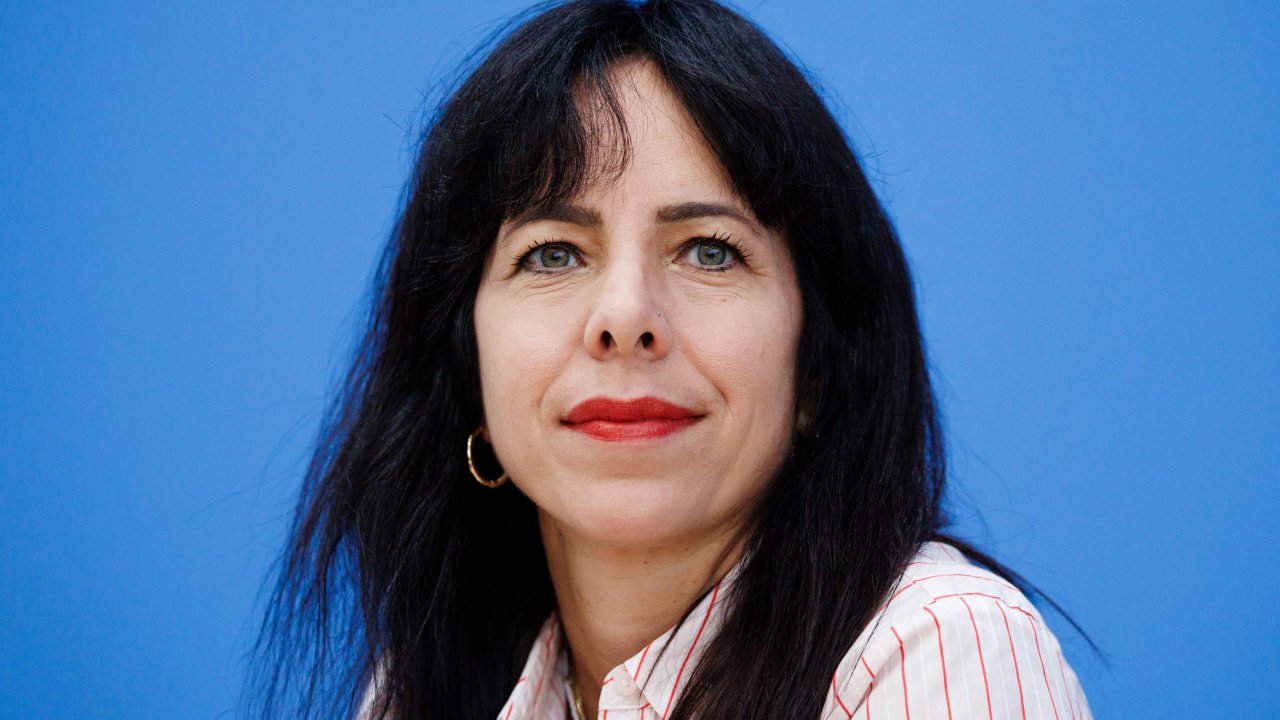
Elif Eralp faces mayoral hurdles after Remmo clan ties emerge
Berlin's political environment faced scrutiny after connections emerged between organized crime figures and members of the Die Linke party, complicating the mayoral ambitions of candidate Elif Eralp following provincial elections held on Sunday.
The Rise of Elif Eralp and the Berlin Provincial Elections
Elif Eralp, the 45-year-old daughter of political refugees from Turkey, led the radical party Die Linke to significant electoral success in the Berlin provincial elections, capturing nearly 26 percent of the vote. Eralp’s campaign heavily mobilized voters under the age of 35 by utilizing strategies reminiscent of democratic socialist campaigns in major global cities. Her platform included promises to confiscate tens of thousands of apartments from corporate property owners, cut funding for law enforcement, and restrict police surveillance powers. While Eralp avoided using the explicit American slogan “defund the police,” other senior figures within her party embraced the phrase in speeches and across social media platforms, complicating her efforts to construct a governing coalition alongside the Greens and the Social Democratic Party (SPD).
Complicating these coalition talks further are sudden, public endorsements from Berlin’s underworld. Shortly after polling stations closed on election night, Issa Remo—identified by the Berliner Morgenpost as the 58-year-old head of the Remo clan—appeared at an election night celebration hosted by the local Die Linke branch in Neukölln. The Remo clan has operated in Berlin since the early 1990s, evolving from petty extortion, arms trafficking, and narcotics into corporate fraud and cultural thefts, including the 2017 theft of a 100-kilogram gold coin from the Bode Museum and a 2019 heist of jewel-encrusted antiques valued at over 100 million euros from Dresden’s Green Vault.
Underworld Endorsements and Political Fallout
Speaking to the Berliner Morgenpost, Issa Remo stated that he felt enthusiasm for a German political party for the first time. The underworld figure appeared to criticize more established political parties for excessive spending, remarking, “I like the people from the Die Linke party who don’t take their wives to the Prada and Gucci shops in Paris.”

The controversy deepened a day later when Firas Remo, a son of Issa Remo, published an image on Instagram depicting what was presented as a screenshot of a correspondence with Ferat Kočak, a 47-year-old Die Linke lawmaker for the Neukölln district and one of the party’s most prominent pro-Palestinian politicians.
Macro-Political Realities and Coalition Pressures
The intersection of radical municipal policy proposals, high-stakes housing interventions, and unsought endorsements from figures linked to organized crime places the Berlin executive branch under severe scrutiny. Observers note that Eralp’s strategy of targeting corporate property owners and challenging traditional municipal security frameworks has created volatile fault lines across the capital’s political parties.
With coalition negotiations underway between Die Linke, the Greens, and the SPD, party leadership faces the immediate challenge of distancing municipal governance from individuals tied to criminal syndicates.