
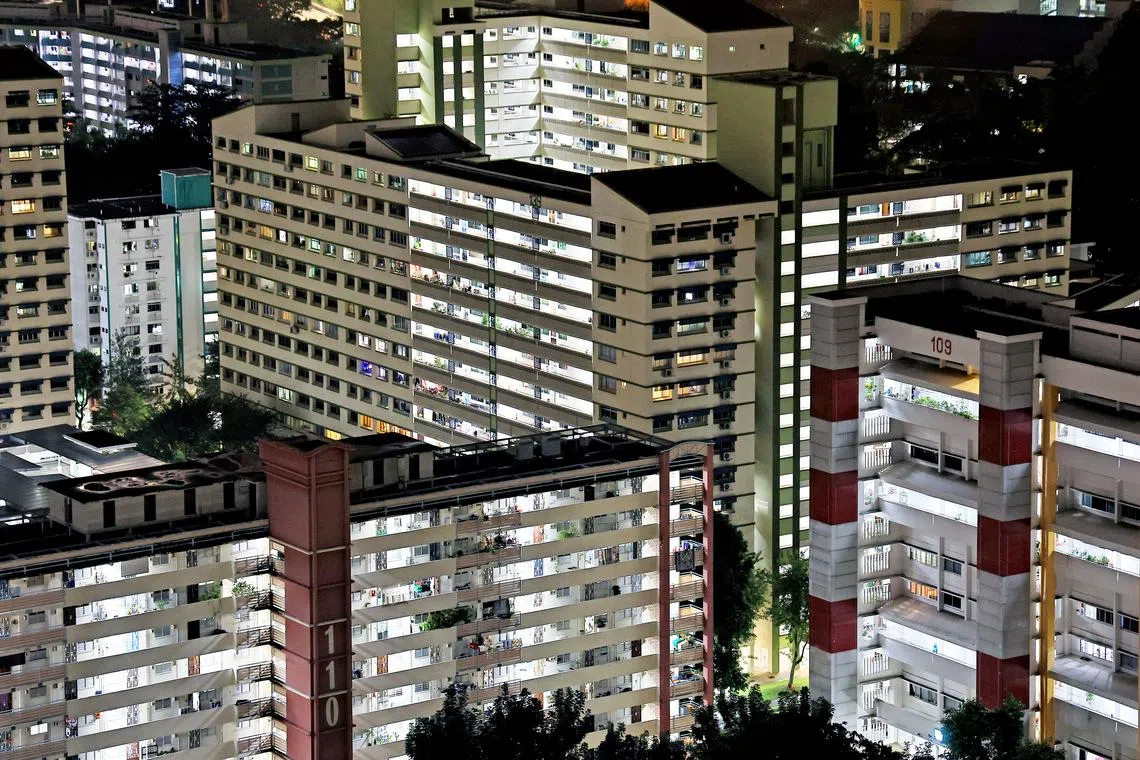
Electricity & gas tariffs to rise in Singapore
Singapore Energy Shock: Tariff Hikes Signal Broader Supply Chain Volatility
Singapore’s electricity and gas tariffs are set to rise in Q2 2026, driven by a 2.1% increase in power costs and geopolitical strain in the Middle East disrupting global fuel supplies. The Energy Market Authority (EMA) confirmed that residential electricity will hit 29.72 cents per kWh, while gas tariffs climb to 23.89 cents per kWh. This adjustment reflects immediate pass-through costs from imported natural gas, signaling heightened operational expenditure risks for industrial tenants and manufacturing firms across the island.

The headline figure—a $1.96 monthly increase for a standard four-room HDB flat—masks the sharper reality for the commercial sector. For CFOs and operations directors, this isn’t just a utility bill adjustment; it is a direct hit to operating margins. With 95% of Singapore’s electricity generated from imported natural gas, the city-state remains hypersensitive to global commodity fluctuations. The recent escalation in the Middle East, specifically attacks on infrastructure in Qatar and Iran, has tightened the liquidity of Liquefied Natural Gas (LNG) futures, creating a volatility spike that regulated tariffs only partially absorb.
Market mechanics dictate that regulated tariffs lag behind spot prices. The current Q2 rates are based on fuel costs from January to mid-March, meaning the full brunt of the post-February conflict has not yet been priced in. The Uniform Singapore Energy Price (USEP) has already surged to $169.23 per megawatt-hour, a level that suggests the next quarterly revision could be significantly more aggressive. Businesses relying on fixed-rate contracts expiring in the coming months face a cliff-edge scenario where energy OpEx could jump double digits overnight.
The Fiscal Impact: Q1 vs. Q2 Tariff Breakdown
To understand the magnitude of this shift, one must look at the unit economics. The divergence between the regulated tariff and the wholesale spot price indicates a growing subsidy burden or a pending shock to consumer pricing. For B2B entities, the variance between contracted rates and spot exposure is where risk management becomes critical.
| Metric | Q1 2026 (Previous) | Q2 2026 (Current) | Change (%) |
|---|---|---|---|
| Electricity Tariff | 29.11 cents/kWh | 29.72 cents/kWh | +2.1% |
| Gas Tariff | 23.63 cents/kWh | 23.89 cents/kWh | +1.1% |
| Wholesale Spot Price (USEP) | ~$145/MWh (Est.) | $169.23/MWh | +16.7% |
| Primary Driver | Seasonal Demand | Geopolitical Supply Shock | N/A |
The table above highlights a dangerous disconnect. While regulated tariffs rose modestly by roughly 2%, the wholesale market is screaming a different story with a near 17% spike in weekly averages. This gap cannot sustain itself indefinitely. As the EMA noted, future tariffs will “fully reflect the conflict cost.” For industrial consumers, this implies a urgent need to audit energy exposure before the next billing cycle.
Smart capital allocators are already moving. The volatility in energy pricing is forcing a reevaluation of lease structures and manufacturing footprints. Companies with high energy intensity are increasingly turning to specialized energy consulting firms to model scenario planning. These experts don’t just look at the bill; they analyze the hedging instruments available to lock in rates before the next geopolitical flare-up drives LNG prices through the roof.
Strategic Imperatives for the Boardroom
The narrative from the Ministry of Trade and Industry is one of “readiness,” with stockpiles of LNG and diesel deemed sufficient for months. However, sufficiency does not equate to affordability. The cost of carrying that inventory and the insurance premiums on shipping lanes through the Strait of Hormuz are inflationary pressures that will cascade through the supply chain.
Three critical shifts are emerging for Singapore-based enterprises:
- Hedging Against Volatility: With the conflict in the Middle East showing no signs of de-escalation, relying on spot market purchases is fiscally irresponsible. Corporations must engage financial risk management partners to explore derivative products that cap energy exposure, insulating EBITDA from sudden commodity spikes.
- Operational Efficiency as a Balance Sheet Item: Energy conservation is no longer just a CSR initiative; it is a margin protection strategy. Upgrading to high-efficiency HVAC and industrial cooling systems offers a tangible ROI that outpaces the inflation rate of utility tariffs. Firms should consult facility management specialists to conduct immediate energy audits.
- Contractual Renegotiation: Commercial tenancy agreements often pass through utility costs. Legal teams need to review force majeure clauses and pass-through mechanisms. Engaging corporate law firms with expertise in real estate and utilities can prevent unexpected liability shifts during lease renewals.
“The underlying narrative is evolving rapidly. All countries, not just Singapore, are trying to work out what this really means in the long term. We are moving from a period of stable pricing to an era where energy security dictates capital allocation.”
This sentiment, echoed by senior analysts in the region, underscores the shift from viewing energy as a fixed cost to treating it as a variable risk factor. Dr. David Broadstock of The Lantau Group noted that the current price change feels “muted,” acting as a warning shot rather than the full impact. The market is waiting for the next tranche of data, which will likely incorporate the full cost of the disrupted supply lines from Ras Laffan and other key export hubs.
the divergence between household and industrial impact is widening. While residential consumers feel the pinch in monthly bills, B2B entities face existential threats to their cost structures. A 10% rise in energy costs can wipe out the net profit margin of a low-margin logistics or manufacturing firm. This necessitates a proactive approach to supply chain resilience.
The government’s stance is clear: contingency measures are ready, but market forces will prevail. Minister Tan Observe Leng’s assurance that stockpiles are sufficient provides a safety net against blackouts, but not against price shocks. The market has already priced in a risk premium. Investors are watching the yield curves of utility bonds and the credit ratings of energy retailers closely. Any sign of liquidity strain in the retail electricity market could trigger a consolidation phase, where smaller retailers are absorbed by larger conglomerates with deeper balance sheets.
For the astute business leader, the path forward requires decoupling operational success from energy volatility. Which means diversifying energy sources where possible, investing in on-site generation capabilities, and, crucially, partnering with experts who navigate these complex regulatory and financial landscapes. The directory of vetted B2B partners at World Today News offers a curated list of sustainability and efficiency consultants who can aid businesses not just survive this tariff hike, but restructure their operations to thrive in a high-cost energy environment.
The Q2 tariff revision is merely the opening move in a longer game of energy chess. As the Middle East conflict drags on, the definition of “business as usual” in Singapore is being rewritten. Companies that treat this as a temporary blip will discover their margins eroded; those that treat it as a structural shift will emerge leaner and more competitive. The time to audit, hedge, and restructure is not after the next bill arrives, but today.