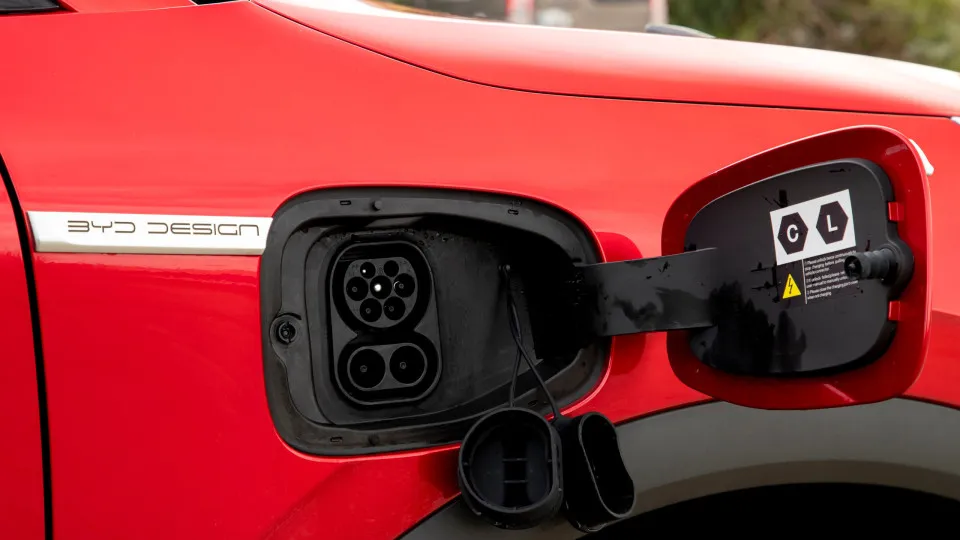
Electric Vehicle Complaints Triple in Portugal with BYD and Tesla Leading
Consumer complaints regarding electric vehicles in Portugal surged dramatically over a two-year period ending in July 2026, with Chinese automaker BYD and American manufacturer Tesla capturing the largest share of grievances according to data from Portal da Queixa cited by local media reports. The spike in customer dissatisfaction coincides with a broader expansion of battery-electric vehicle adoption across the Iberian market, putting intense pressure on corporate after-sales infrastructure.
The numbers highlight a sharp operational bottleneck for automotive brands scaling up distribution in Southern Europe. According to Portal da Queixa metrics reported by outlets such as Notícias ao Minuto and TugaTech, total complaints involving electric vehicles climbed 173 percent during the first seven months of 2026 compared to the same timeframe in 2024, and 92 percent against 2025 figures.
Volume Growth Exceeds Service Capacity
Out of 205 total grievances registered through July 2026, 71 percent specifically targeted automotive brands. BYD accounted for 17 percent of these filings, while Tesla registered 15 percent. This concentration of complaints aligns closely with market penetration rates. Industry data shows Tesla led national battery-electric vehicle sales with numerous units sold between January and July 2026, while BYD secured fifth place with several units delivered.
Other major nameplates including BMW, Peugeot, and Citroën also populated the sales charts during this period without commanding high complaint volumes. Sector analysts note that rapid sales scaling often outpaces existing dealer networks and technician training programs.
After-Sales Operations Under Scrutiny
The underlying nature of the disputes points directly to post-purchase friction rather than fundamental powertrain failures. Data compiled by TugaTech and Razão Automóvel reveals that more than two-thirds—specifically 72 percent—of all registered complaints centered on after-sales service quality, warranty fulfillment delays, and maintenance scheduling bottlenecks.
Managing high-volume warranty claims requires robust digital infrastructure and responsive client communication channels.
Market Trajectory and Future Outlook
As regulatory mandates across the European Union push fleet operators and private buyers toward zero-emission mobility, consumer expectations for maintenance turnaround times remain exceptionally high. Importers failing to scale their localized repair infrastructure risk sustained brand erosion despite strong initial sales figures.
Industry stakeholders monitoring the Portuguese market anticipate that regional distributors will accelerate investments in proprietary service hubs heading into the next fiscal year.