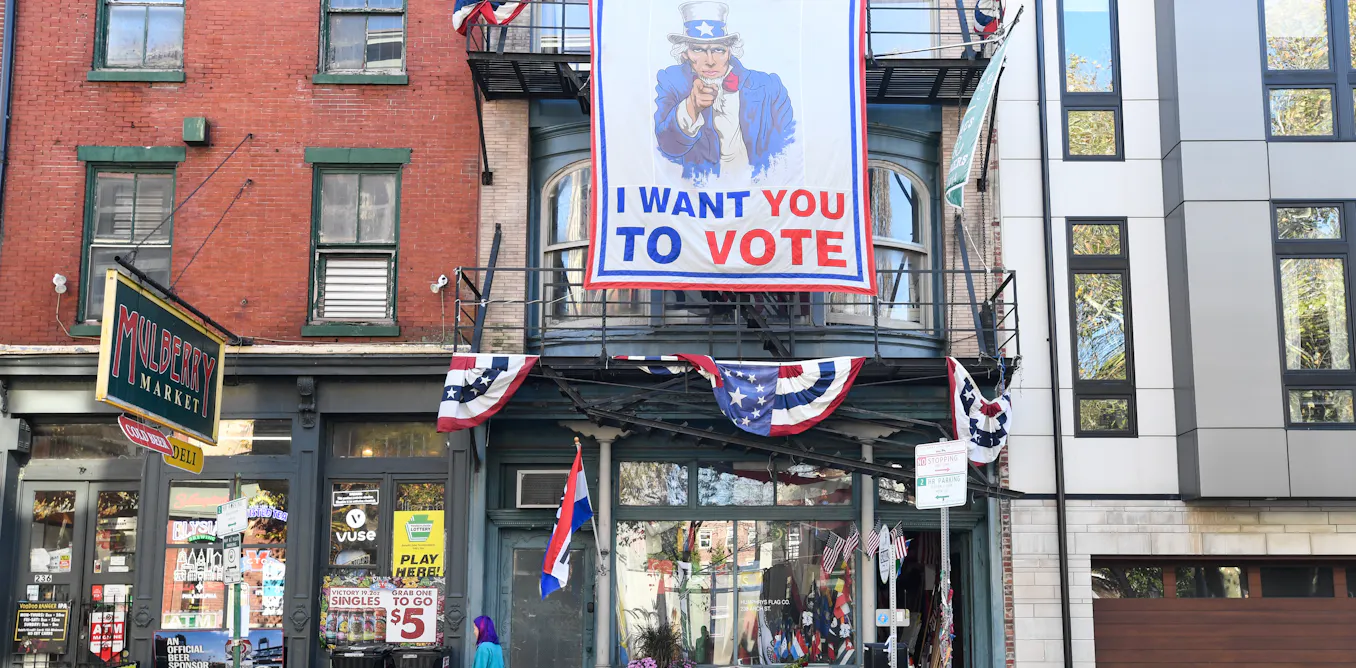
Election Integrity Fears Drive Low Voter Enthusiasm in Philadelphia
Philadelphia Voters Face Midterm Apathy Amid Rising Election Integrity Concerns
“There are many factors that go into voter apathy,” explains Bruce Hardy, pointing to barriers to participation, lack of trust, cynicism, and a sense of disenfranchisement. With less than 30 days until the November 2026 midterms, voters in Philadelphia are heading to the polls to decide key races including the state’s next governor and lieutenant governor, alongside members of the U.S. House of Representatives and the state Legislature, though enthusiasm remains low across the city.
Voter Confidence Slides as National Debates Overshadow Local Stakes
The local mood mirrors a broader national trend. A July 2026 Gallup survey of more than 23,000 adults revealed that two in three Americans worry about political leaders pressuring election officials to alter outcomes, with half doubting their individual ballots will be counted. National surveys from Pew Research Center and the University of California San Diego show that roughly half of Americans expect the upcoming midterms to be conducted fairly, marking a notable 10-point drop in national voter confidence since the 2024 elections.
Lauren Cristella, president and CEO of the nonpartisan organization the Committee of Seventy, points directly to election integrity fears amplified in national media discourses as a primary driver of voter confusion.

Mail-In Voting Security and Legal Realities in Pennsylvania
Despite controversies surrounding mail-in ballots since the 2020 presidential election, state officials maintain that voting procedures remain secure. The U.S. Supreme Court recently blocked a federal attempt to impose new Postal Service rules that would have limited mail-in voting. Cristella emphasizes that mail-in voting is the safest and most secure in the commonwealth’s history, supported by trackable ballot systems.
Meanwhile, online debates continue to churn. Scott Presler, a social media influencer from Pennsylvania, recently published unverified claims on social media alleging that tens of thousands of noncitizens are registered to vote in the Keystone State. State election officials and Gov. Josh Shapiro have dismissed these claims as entirely disconnected from reality. Linda Kerns, a conservative Republican election lawyer, noted that social media posts pushing such figures rarely present actual verified data, often misinterpreting outdated soft targets like unverified jury lists rather than confirmed instances of unlawful registration.
Now, you can understand why the democrats have been attacking me in Pennsylvania. We uncovered 371,595 non-citizens & persons who are “unable to read, write, and understand the English language” in Philadelphia. After cross-referencing the PA voter rolls, 50,000 voters have…
Economic Pressures Drive Midterm Turnout Amid Local Races
While the Philadelphia primary drew a low turnout of 22%, local leaders anticipate that pressing economic concerns—including Gallup data showing confidence in the economy at its weakest level since 2022—will push more residents to cast ballots in November.
Pennsylvania operates with roughly 40,000 poll workers per election cycle. Residents looking to participate or volunteer as poll workers can access official resources directly through vote.phila.gov or vote.pa.gov.
Widespread Fear and National Scope of Election Integrity Concerns
Election integrity fears are widespread and extend far beyond a Philadelphia problem. Pushing myths like the “election was stolen” or “the election wasn’t fair” can boomerang and end up lowering confidence in future elections, as explained in a 2021 article citing experts at Tufts University. The U.S. Department of Homeland Security previously announced it had identified 14,576 noncitizen registrations without providing much in the way of details, though Pennsylvania election officials reported that the Trump administration does not have a lot of confidence in its own numbers. Similar situations occurred in Nevada, where Homeland Security officials originally claimed around 16,000 noncitizens were registered to vote, but a subsequent list sent to the state included only 185 names, all of whom Nevada officials confirmed were eligible to vote. Officials have noted that it is exceedingly rare for noncitizens to intentionally register to vote illegally, and local officials continue to take election security concerns seriously.