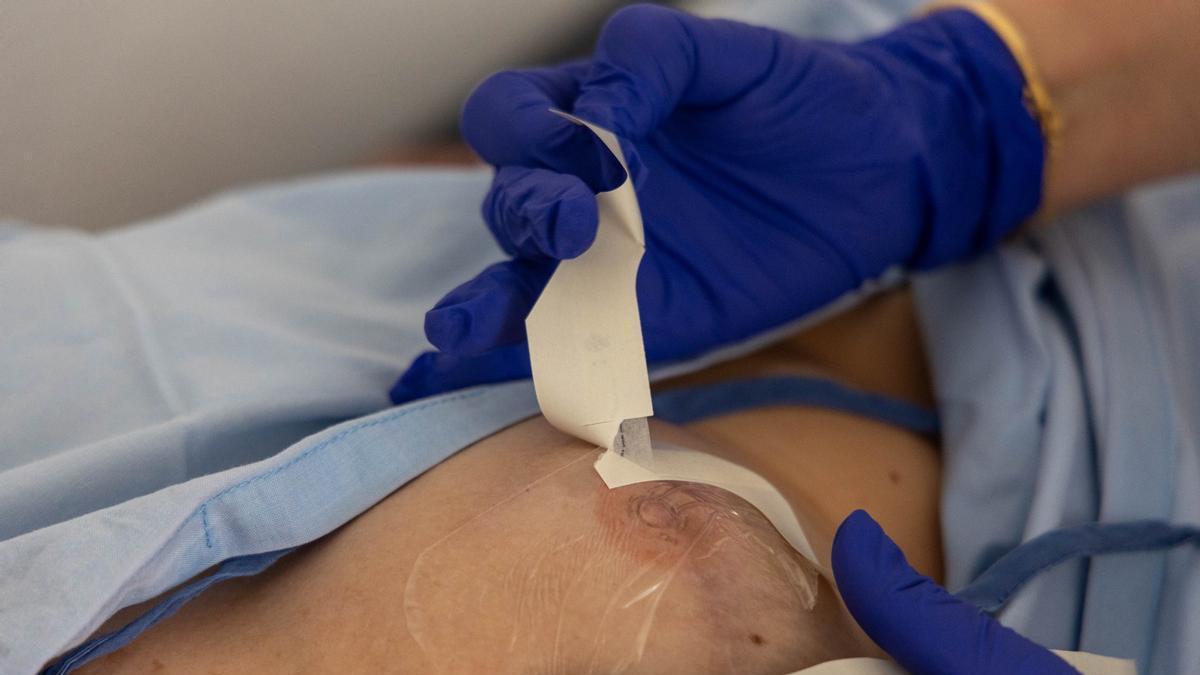
Elda Hospital’s Pioneering Areolar Micropigmentation Treats Nearly 200 Women
Advancements in Nipple-Areola Reconstruction Post-Breast Cancer: A Focus on Micropigmentation
In recent years, advancements in reconstructive techniques have significantly improved the quality of life for breast cancer survivors. One such innovation, micropigmentation for nipple-areola reconstruction, has gained prominence for its ability to restore a natural appearance following mastectomy. The Hospital de Elda in Spain has pioneered this approach, treating approximately 200 women since 2023 with a specialized service that addresses both functional and aesthetic outcomes.
Key Clinical Takeaways:
- Micropigmentation offers a non-invasive solution for nipple-areola reconstruction, enhancing psychological well-being in breast cancer survivors.
- Early adoption of the technique by institutions like Hospital de Elda highlights its potential as a standard of care.
- Long-term follow-up is critical to address challenges such as pigment fading and optimal patient selection.
The procedure, which involves depositing pigment into the skin to mimic the natural color and texture of the nipple and areola, has been recognized for its minimally invasive nature. Unlike traditional surgical methods, micropigmentation requires no incisions, reducing recovery time and complications. This aligns with broader trends in dermatological and reconstructive medicine toward patient-centered, less intrusive interventions.
Historical Context and Clinical Evolution
Micropigmentation, also known as dermal micropigmentation, has its roots in cosmetic tattooing but has been adapted for medical use. The technique’s evolution in oncological reconstructive surgery reflects a growing emphasis on holistic care, addressing not only physical recovery but also emotional and psychological resilience. Studies have shown that patients often report improved self-esteem and body image after such procedures, underscoring the importance of integrating these services into post-cancer care protocols.
The Hospital de Elda’s initiative is part of a broader movement to decentralize access to advanced reconstructive care. By establishing a dedicated service, the hospital has reduced the need for patients to travel to larger urban centers, thereby improving equity in healthcare delivery. This model may serve as a template for other regions seeking to expand access to similar treatments.
Challenges and Future Directions
Despite its benefits, micropigmentation is not without challenges. One notable limitation is the gradual fading of pigment over time, which may necessitate touch-up sessions. The technique requires skilled practitioners to achieve natural results, highlighting the need for standardized training programs. Research published in peer-reviewed journals has emphasized the importance of individualized approaches, considering factors such as skin type, pigmentation, and patient expectations.
Looking ahead, ongoing studies are exploring the use of biocompatible pigments and laser-assisted techniques to enhance durability and precision. These innovations could further refine the procedure, making it more accessible and effective for a broader patient population. Collaboration between dermatologists, oncologists, and reconstructive surgeons will be essential to optimize outcomes.
Directory Bridge: Accessing Expert Care
For patients seeking micropigmentation services, it is crucial to consult with accredited specialists. Institutions with experience in reconstructive dermatology, such as those affiliated with the European Society of Dermatological Surgery, can provide comprehensive evaluations and tailored treatment plans. Multidisciplinary teams at comprehensive cancer centers often integrate reconstructive options into post-treatment care, ensuring a seamless patient journey.

Healthcare providers interested in adopting micropigmentation should explore partnerships with research institutions and professional organizations to stay abreast of best practices. Compliance consultants can also assist in navigating regulatory requirements, ensuring that new services meet safety and efficacy standards.
Conclusion
The integration of micropigmentation into breast cancer reconstructive care represents a significant step forward in patient-centric medicine. As evidence of its efficacy continues to grow, the focus will shift toward expanding access, refining techniques, and addressing long-term challenges. For healthcare professionals and patients alike, staying informed about these developments is key to leveraging the full potential of this innovative approach.
Disclaimer: The information provided in this article is for educational and scientific communication purposes only and does not constitute medical advice. Always consult with a qualified healthcare provider regarding any medical condition, diagnosis, or treatment