
El Mencho’s Death: How the Jalisco Cartel Could Fracture After Kingpin’s Fall
GUADALAJARA — The Jalisco New Generation Cartel (CJNG) unleashed a wave of violence across Mexico following the death of its leader, Nemesio Rubén Oseguera Cervantes, known as “El Mencho,” on Sunday, February 22, 2026. Cartel operatives carried out arson attacks and blocked roads in over a dozen states, ambushing security forces and killing 25 members of the National Guard, according to reports from the Associated Press and Politico.
Mexican authorities confirmed Oseguera’s death after a military operation in Tapalpa, Jalisco. The operation, which also resulted in the deaths of six other cartel members and the arrest of two, seized a significant arsenal, including rocket launchers capable of downing aircraft, as reported by the U.S. Department of Defense. The U.S. Provided “complementary information” that aided in the operation, Mexican officials stated.
Oseguera’s death, described by the Associated Press as “decapitating” Mexico’s most powerful cartel, occurred while he was being transferred to Mexico City after sustaining injuries in a shootout. The immediate response from the CJNG suggests a pre-planned contingency designed to demonstrate the cartel’s continued power and disrupt government control. Images circulated by the Associated Press showed charred vehicles and burned buildings in cities across Mexico, including Cointzio, Michoacán, and San Francisco del Ricon, Guanajuato.
The future of the CJNG now rests on the shoulders of a cadre of regional commanders, each with their own sphere of influence and network of operatives. Oseguera had reportedly delegated day-to-day control to these lieutenants in anticipation of his declining health, as his kidneys were failing, according to sources familiar with the cartel’s internal structure.
Among the most prominent potential successors is Juan Carlos Valencia González, known as “03,” Oseguera’s stepson. Valencia, 41, commands the paramilitary Grupo Elite and is allegedly involved in the cartel’s money-laundering operations. His mother, Rosalinda González Valencia, was arrested in 2021 and accused of being a key financial operator for the CJNG. Valencia himself is subject to a $5 million reward offered by the U.S. State Department for information leading to his arrest.
Another contender is Ricardo Ruiz, alias “RR,” known for producing sophisticated cartel propaganda, including a viral video showcasing heavily armed fighters and armored vehicles. Ruiz has been linked to the death of Valeria Márquez, a model and social media influencer who was fatally shot last year while live-streaming on TikTok.
Audias Flores Silva, known as “El Jardinero,” controls methamphetamine production in Jalisco and Zacatecas and oversees a network for trafficking drugs from Central America into the United States, according to the Drug Enforcement Administration. Flores is believed to have forged an alliance with a faction of the Sinaloa Cartel, led by the sons of imprisoned drug lord Joaquín “El Chapo” Guzmán.
Abraham Jesús Ambriz Cano, alias “El Yogurth,” at 29 years old, has reportedly assembled a force of foreign mercenaries, primarily former Colombian soldiers with expertise in explosives, and counterinsurgency. Some of these mercenaries claim they were misled about the nature of their employment and forced to participate in combat.
Security analysts suggest the CJNG’s decentralized structure facilitated a rapid response to Oseguera’s death and will likely allow the cartel to maintain operational continuity in the short term. David Saucedo, a security policy advisor, noted that the remaining leaders are currently united by a common enemy: the Mexican government. Still, he cautioned that internal conflicts over profits, trafficking routes, and political connections could eventually lead to fragmentation.
The cartel’s activities extend beyond drug trafficking to include extortion, fuel theft, illegal mining, logging, and timeshare fraud within Mexico. The inner workings of the CJNG remain largely opaque, with analysts relying on social media communications, drug flow patterns, and narco corridos – drug ballads – to track shifts in power. Recent songs have reportedly alluded to Flores and Valencia as potential successors to Oseguera.
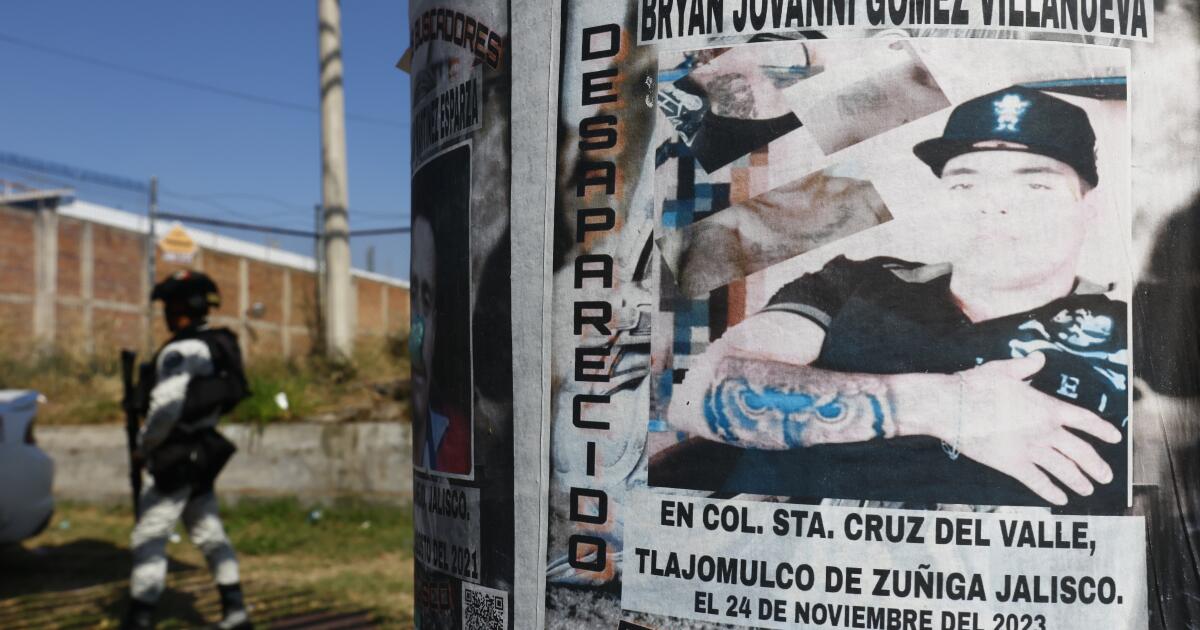
Oseguera’s rise from a small-time drug dealer to the head of a powerful cartel mirrored a trajectory seen with other once-dominant Mexican syndicates, many of which have fractured, been absorbed by rivals, or collapsed following the capture or death of their leaders. His willingness to use extreme violence to maintain control was exemplified by the 2020 assassination attempt on Omar García Harfuch, then Mexico City’s police chief, and the 2015 downing of an army helicopter with a rocket-propelled grenade, resulting in the deaths of nine soldiers. A ranch near Guadalajara, allegedly used for cartel training, was found to contain the remains of hundreds of missing people last year.
Born in Michoacán, Oseguera illegally immigrated to the United States as a teenager and was first arrested in San Francisco at age 19 for methamphetamine sales. His death marks a significant, though potentially temporary, victory in Mexico’s ongoing war on drug cartels, which are responsible for smuggling vast quantities of illicit substances into the United States.