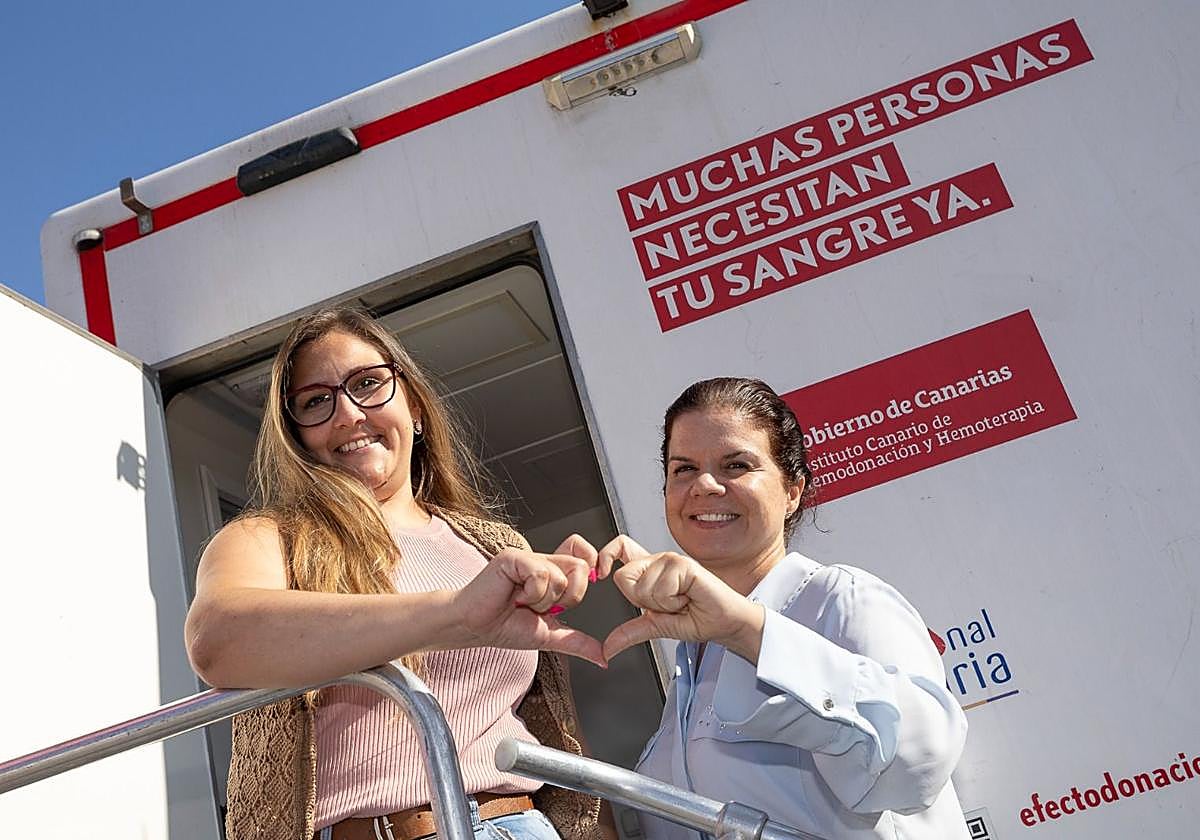
El hospital Insular suspende operaciones por falta de sangre a las puertas de la Semana Santa
Operational paralysis struck the Insular Hospital of Gran Canaria in late March 2026, forcing the suspension of three surgical interventions due to critical inventory shortages of hemoderivatives. As the region approaches the Holy Week holiday, supply chain fragility has exposed a systemic risk in the Canary Islands’ healthcare infrastructure, with 2024 data revealing 89 cancelled procedures attributed to resource depletion. This event underscores the urgent need for robust inventory management and logistical optimization within the public health sector.
The suspension of surgical procedures is not merely a logistical hiccup; it is a direct hit to operational throughput and revenue generation. In the language of corporate finance, the hospital faced a “stock-out” event on its most critical asset class: human blood. When the Insular Hospital halted operations on March 24 and 25, it wasn’t just delaying care; it was incurring significant opportunity costs. Every cancelled surgery represents lost bed-day utilization, idle staff hours and deferred billing cycles. For a public entity operating on tight margins, these inefficiencies compound rapidly, creating a drag on the broader regional health budget.
This specific incident highlights a broader trend of supply chain volatility that plagues perishable inventory management. The “Orange Level” alert status reported by the Blood Bank indicates that reserves are currently sufficient for only three to four days of operations. In manufacturing terms, This represents a “Just-in-Time” failure of catastrophic proportions. There is no buffer stock to absorb demand shocks, leaving the system vulnerable to the slightest fluctuation in donor turnout.
The Fiscal Impact of Inventory Depletion
The data provided by the regional Health Ministry paints a grim picture of declining asset availability against a backdrop of steady demand. The trend line is negative, suggesting a structural deficit rather than a temporary anomaly. When a facility operates with such thin margins of safety, the cost of capital—measured here in human lives and surgical outcomes—skyrockets.
According to the Dirección General de Hemodonación y Hemoterapia, the volume of “raw material” intake has been contracting for four consecutive years. In 2021, donations peaked at 66,554 units. By 2025, that figure had eroded to 59,106, a decline of over 11%. This contraction in supply coincides with a rigid demand curve, creating a classic supply-demand imbalance that threatens operational continuity.
| Metric | 2024 Full Year | 2025 H1 (Projected Annualized) | Operational Impact |
|---|---|---|---|
| Total Donations | 60,728 | ~59,106 (Trend Down) | Reduced Inventory Buffer |
| Surgical Cancellations | 89 Procedures | 43 Procedures (6 Months) | Direct Revenue Loss & Efficiency Drop |
| Inventory Status | N/A | “Orange Level” (3-4 Days) | Critical Supply Chain Risk |
The correlation between declining donation volumes and rising surgical cancellations is undeniable. In the first half of 2025 alone, 43 interventions were postponed. If this trajectory continues linearly, the full-year cancellation count for 2025 could exceed the 2024 baseline, signaling a degradation in service delivery capacity. This is the kind of operational drag that attracts scrutiny from auditors and oversight committees.
“When critical inventory levels hit a three-day runway, you are no longer managing a supply chain; you are managing a crisis. Healthcare systems must treat blood logistics with the same rigor as semiconductor supply chains, utilizing predictive analytics to prevent these stock-outs before they halt revenue-generating activities.”
Strategic Mitigation and B2B Solutions
The immediate reaction from the Health Department was to stabilize the stock, claiming normalization following the emergency. However, the recurring nature of these shortages—similar incidents occurred at the Doctor Negrín hospital in January—suggests that reactive measures are insufficient. The system requires a structural overhaul of its procurement and logistics framework.
This is where the private sector’s expertise becomes vital. Public health entities often lack the agile logistical frameworks found in top-tier commercial enterprises. To bridge this gap, hospital administrators are increasingly turning to specialized supply chain management firms that can implement predictive modeling for perishable goods. By analyzing historical consumption data against seasonal variables—such as the Holy Week holiday dip—these firms can optimize collection schedules and distribution routes to prevent future “orange level” alerts.
the financial strain of cancelled surgeries necessitates a review of operational efficiency. The cost of a cancelled operating room slot is immense. To mitigate this, healthcare networks are engaging operational restructuring consultants to redesign their inventory protocols. These experts focus on reducing waste, improving donor retention rates through CRM strategies, and ensuring that capital resources are allocated to high-yield surgical units rather than sitting idle due to resource scarcity.
The Seasonality Risk Factor
The timing of this shortage, just prior to Holy Week, exposes a specific vulnerability: seasonality risk. Historical data confirms that donor participation drops significantly during holiday periods, yet emergency trauma and scheduled surgeries do not pause. This mismatch creates a predictable liquidity crisis in the blood bank.

Nacho González, a photographer and recent patient at the Insular Hospital, highlighted this disconnect publicly. While recovering, he witnessed the operational halts firsthand and issued a call to action for civic participation. His testimony serves as a qualitative indicator of the system’s fragility. “While I was admitted, I witnessed how operations were suspended due to lack of blood,” González noted, emphasizing the direct link between community engagement and institutional stability.
To combat this, the Directorate has expanded collection points, including a mobile unit at the Leroy Merlin center in Adeje and extended hours at the Insular Hospital bank. While these are necessary tactical moves, they do not address the strategic deficit. The reliance on ad-hoc donation drives is a volatile funding model for a critical resource.
Future Outlook: Building Resilience
The trajectory for the Canary Islands’ health sector depends on its ability to professionalize its supply chain. The current model, reliant on voluntary fluctuation, is unsustainable for a modern healthcare economy. As we move into Q2 2026, stakeholders must prioritize resilience.
Investors and policymakers should view this not just as a medical issue, but as an infrastructure investment opportunity. The gap between demand and supply represents a market failure that can be corrected through better technology and logistics. Entities capable of solving this inventory bottleneck—through advanced cold-chain storage solutions or AI-driven demand forecasting—will find a receptive market in the public health sector.
For the World Today News Directory, the lesson is clear: operational continuity is the ultimate asset. Whether in finance or healthcare, the failure to manage inventory risk leads to immediate value destruction. As the Insular Hospital works to replenish its reserves, the broader market watches to notice if this was a temporary glitch or a sign of systemic decay. For businesses looking to partner with resilient healthcare networks, the due diligence starts with the supply chain.