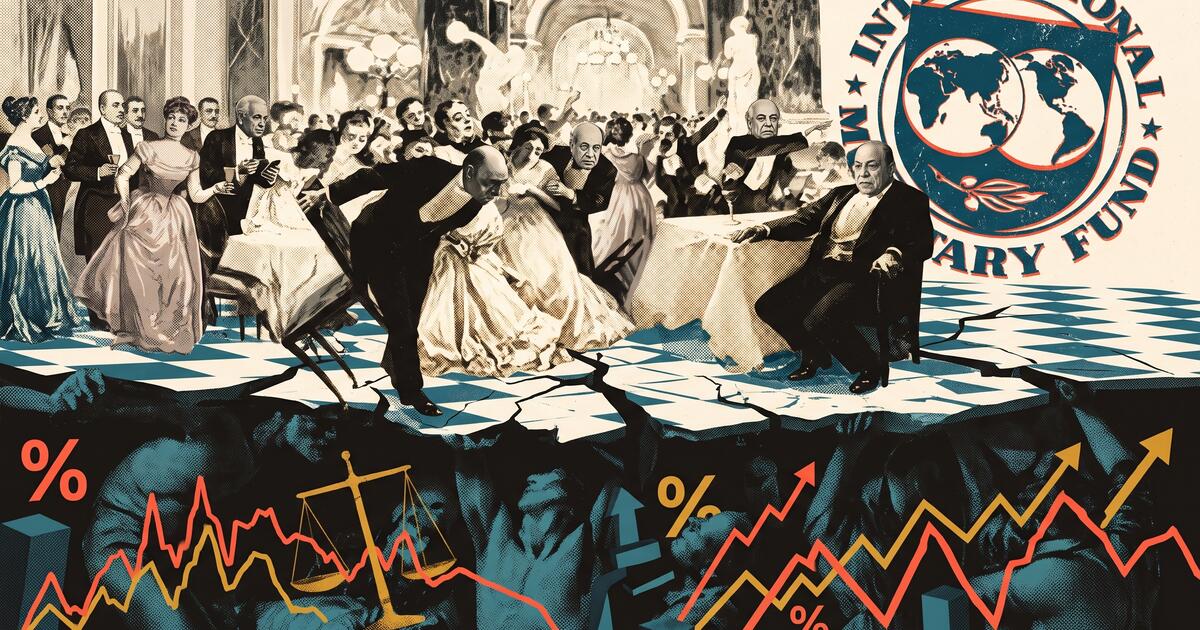
Egypt’s Ruling Class Grapples With the Legacy of a Decade of IMF Interventions
Egypt’s ruling class gathered at the Egypt Forum 2026 to discuss the future of the economy, yet the assembly failed to produce a consensus on the impact of a decade of International Monetary Fund interventions, Al Manassa reported.
As the nation nears the end of its current IMF program, officials and business leaders are grappling with the results of a decade marked by currency shocks and financial restructuring.
The country’s economic trajectory changed in 2016 when then-central bank governor Tarek Amer implemented a shock float of the Egyptian pound. While Amer defended the move as a foundation for a new social contract, the policy prioritized attracting foreign capital over domestic development, according to Al Manassa. The reliance on "hot money" eventually became a liability when global interest rate hikes triggered a capital exodus.
By May 2022, the prime minister said that $20 billion in hot-money investments had left the country, leading to the resignation of Amer that August, Al Manassa reported.
The subsequent "dollar crisis" forced the state to return to the IMF for multiple financing programs, eventually leading to a tense standoff over neoliberal reforms. The government struggled to meet demands for a fully free exchange rate and the privatization of state-owned assets, including those held by the military.
The fiscal pressure reached a breaking point in 2024, forcing the government to secure a substantial financial injection.
Recent developments in the IMF era:
- February 2023: The Finance Ministry issued international bonds with yields near 11%, signaling the high cost of debt in a tightening global market.
- February 2024: The government finalized a "grand deal" with the UAE to secure foreign currency.
- March 6, 2024: The central bank allowed the pound to float fully, with the official dollar rate surpassing 50 pounds.
While the government, the IMF, and the business community are currently presenting the program as a success, some observers note that the structural imbalances the IMF was intended to address remain.
“The truth is that no wing of the ruling class sees in the new open climate a setting that protects its productive interests, or the stability the economy once enjoyed,” Al Manassa reported. As the current IMF program concludes this year, the state faces the challenge of defining an economic identity that moves beyond the dependency of the last decade.