Egyptian Author Abdelrahman ElGendy Wins National Book Award After U.S. Visa Denial
In a New Yorker column published in November 2026, National Book Award finalist Abdelrahman ElGendy argues that the United States weaponized the visa process against him after denying his application to attend the ceremony in New York City.
Author Wins Nonfiction Prize Despite Visa Denial
Egyptian author Abdelrahman ElGendy won the nonfiction prize at the 77th annual National Book Awards for his debut memoir, Huna: A Memoir of Revolution, Prison, and Becoming, according to Democracy Now! reporting. ElGendy was notably absent from the New York ceremony after the Trump administration denied his visitor visa application, blocking him from entering the United States, Democracy Now! reported.
Writing in The New Yorker, ElGendy described bringing his publisher’s letterhead, a printout from the National Book Foundation, and a European residence permit to his consular interview. After an officer placed his application in administrative processing, he received a formal visa denial the next morning citing ineligibility under the Immigration and Nationality Act.
“Unfortunately, I can’t decide on this application now. We have to consult Washington first, then get back to you,” the consular officer told ElGendy, as he detailed in his New Yorker essay.
The National Book Foundation stated just hours before the event that it had expanded its eligibility criteria in 2024 and was proud to celebrate the book, NPR reported. Helen Thomaides, ElGendy’s editor, accepted the award on his behalf and read a prepared statement from the author, Democracy Now! reported.
Refining Personas for Visa Interviews
To secure his travel to the ceremony, ElGendy prepared for his consular interview by adopting a specific persona. He aimed to project openness, steady eye contact, and an earnest smile, carefully balancing the need to prove his legitimate itinerary with a nonchalant attitude to avoid appearing desperate.
He arrived with a comprehensive file that included his publisher’s invitation, a 2023 New York Times article documenting his imprisonment, and proof of his book events in Britain and Europe.
During the meeting, the officer initially appeared reassured by the Penguin Random House letterhead and the National Book Foundation documentation. When asked about the lack of a specific reason for the subsequent denial, ElGendy told The Publishing Times that he believes observers familiar with the current administration can make a reasonable guess.
Abdelrahman ElGendy wins National Book Award after U. S. denies his visa to attend ceremony https://t.co/cZ8ssi4e68
Finalizing Dreams While Living in Exile
The memoir that secured ElGendy the award was forged over six years of incarceration in Egypt, where he smuggled out pages one visit at a time.
During those years, he practiced delivering fictional acceptance speeches under a bright red duvet his mother had bribed guards to allow into his cell. He told Democracy Now! that he used these fantasies as a coping mechanism to remain fleetingly unincarcerated while enduring his confinement.
The ceremony also recognized other literary works, including Hannah Lilith Assadi’s novel Paradiso 17, which depicts a Palestinian man’s life after his 1948 exile. Brenda Hillman received the poetry award for Still House in the Desert, an eco-contemplation on returning to her childhood home.
As Amy Goodman noted on Democracy Now!, the ceremony highlighted a broad range of international voices, though ElGendy’s own path to the stage remained ruptured by his forced departure from the United States in April 2025.
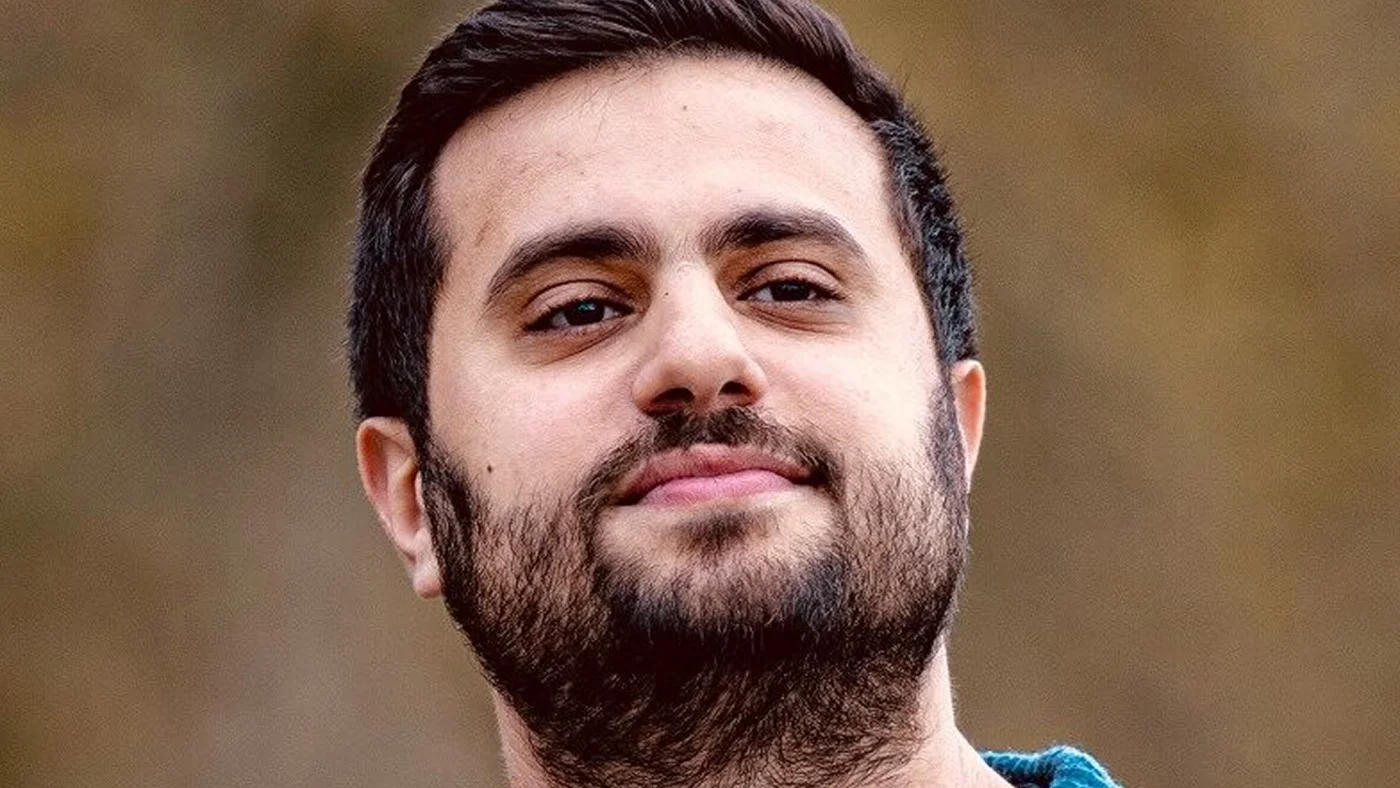
Author Leaves United States After Facing Scrutiny
He wrote much of the book during a full-ride M.F.A. fellowship at the University of Pittsburgh, which he began in 2022 after arriving in the United States, according to New Yorker documentation.
In April 2025, ElGendy left the United States after facing scrutiny over pro-Palestine activism and political commentary concerning U.S.-Egypt relations, choosing to flee rather than risk detention or deportation, Democracy Now! reported. He told Democracy Now! that the visa denial reflects a broader pattern of state actions.
“I think, yeah, this, I think, is just intentional distraction from the most important point here, which is that the visa process is being weaponized, and has been now for a while, as a form of transnational repression,” ElGendy told Democracy Now!
Thomaides read ElGendy’s remarks to the audience during the mid-November ceremony in New York.
“Today, that dream should have come full circle, but like so many of the circles ruptured in my life, it will remain unfinished, broken by an oppressive regime with a fascist ideology whose concentration camps stand ready to swallow the bodies it deems undesirable,” Thomaides read, according to Democracy Now!
More on Egypt
Abdelrahman ElGendy’s “Huna,” a memoir about his six years as a political prisoner in post-revolution Egypt, is a finalist for the 2026 National Book Award for Nonfiction. ElGendy left the U. S. in late April, after attending graduate school in Pittsburgh, and resettled in Europe.… pic.twitter.com/kU2kchQpUv
Abdelrahman ElGendy was not able to accept the National Book Award for his non-fiction book Huna: A Memoir Of Revolution, Prison, And Becoming after being denied a visa. https://t.co/9nFbfduFXv pic.twitter.com/DLTLJ45RcD