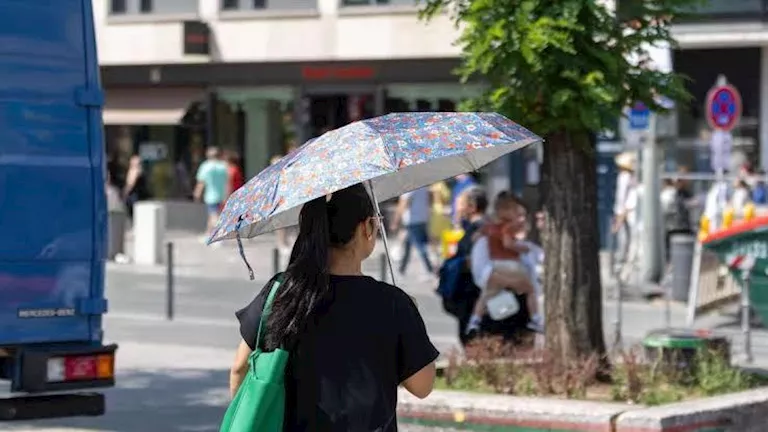
Egypt Weather Alert: Heatwave Peak and Dust Storm Warnings
The Egyptian Meteorological Authority (EMA) has issued an urgent warning regarding a significant heatwave impacting Egypt during the spring holidays and Sham El-Nessim. Driven by desert air masses, temperatures in Greater Cairo are expected to climb steadily, peaking at 35°C by mid-week, triggering volatile weather patterns across the region.
For millions of Egyptians, the spring season is traditionally a time of renewal and outdoor celebration. However, the current atmospheric shift has turned the festive atmosphere into a logistical challenge. The intersection of public holidays and a sudden spike in temperature creates a specific set of risks—not just for the casual tourist or the family outing, but for the very infrastructure of the city and the stability of the agricultural sector.
The problem is not merely the heat, but the volatility. We are seeing a dramatic swing between daytime highs and nighttime lows, a phenomenon that often catches the public off guard and leads to a surge in seasonal illnesses. When the gap between the minimum and maximum temperature exceeds 12 degrees Celsius, the human body struggles to adapt, making the “clothing dilemma” a genuine health concern rather than a fashion choice.
The Meteorological Blueprint: Tracking the Surge
The current weather pattern is not an anomaly but, as Dr. Manar Ghanem, a member of the EMA Media Center, explains, a natural occurrence characteristic of the spring season. Spring in Egypt is defined by rapid fluctuations where temperatures soar within short windows before retreating. The catalyst for the current spike is the influx of desert air masses, which have already begun pushing temperatures above their seasonal norms.
The trajectory of this heatwave is precise. On Sunday, April 12, temperatures hovered around 29°C, providing a deceptive sense of moderation. However, the trend is upward and relentless. The EMA predicts that the peak of this heatwave will occur on Wednesday and Thursday, April 15 and 16, with Greater Cairo expecting highs of 35°C. This progression suggests a steady intensification of heat that will likely disrupt outdoor activities and strain urban cooling systems.
This volatility requires more than just a change in wardrobe; it requires a shift in how residents manage their environments. As the heat intensifies, there is an increased reliance on cooling infrastructure. Ensuring that residential and commercial cooling systems are operational is paramount, often requiring the expertise of vetted home maintenance services to prevent system failures during the peak of the surge.
“The country is currently affected by desert air masses that raise temperatures above their normal rates, and this heatwave is expected to continue and reach its peak during the middle of next week.”
The Clothing Paradox and Public Health
One of the most pressing warnings from the EMA involves the way citizens are dressing for the Sham El-Nessim celebrations. There is a strong urge to transition immediately to summer attire as the daytime heat rises. However, the EMA has explicitly urged citizens not to “over-lighten” their clothing. The reasoning is scientific: the temperature differential between the day’s peak and the night’s low is currently exceeding 12 degrees.
This thermal gap creates a vulnerability to respiratory infections and thermal shock. While a 35°C afternoon demands light fabrics, the moderate nights require layering. This atmospheric instability often leads to a spike in clinic visits for those who succumb to the “spring chill” after a day of intense heat. For those managing chronic conditions or elderly family members, consulting with professional healthcare providers to manage heat-related stress and respiratory health is a critical preventative measure.
To better understand the broader context of these shifts, the World Health Organization (WHO) provides extensive guidelines on protecting vulnerable populations from extreme heat, emphasizing hydration and the avoidance of peak sun exposure—advice that is particularly relevant for those celebrating in open parks during the holidays.
Agricultural Alarm: Heat and Dust
While urban residents deal with the discomfort of the heat, the agricultural sector faces a more systemic threat. The Climate Change Information Center has issued a specific warning to farmers regarding the combination of the heatwave and accompanying dust. In the Egyptian Nile Delta and surrounding agricultural zones, the synergy of high temperatures and airborne particulate matter can stress crops and disrupt pollination cycles.

Desert air masses do not just bring heat; they bring dust. This dust can settle on leaves, hindering photosynthesis and increasing the susceptibility of plants to pests. For farmers, this is not just a weather event but a financial risk. Mitigating these effects often requires precision irrigation and soil management, leading many to seek the guidance of specialized agricultural consultants to shield their yields from the volatility of the spring transition.
The relationship between these desert air masses and regional crop health is a focal point for climate researchers. By monitoring these patterns through the World Meteorological Organization (WMO), regional authorities can better predict the frequency of these “heat spikes” and implement long-term resilience strategies for food security.
Navigating the Mid-Week Peak
As Cairo and other major cities move toward the Wednesday and Thursday peak, the focus shifts to endurance. The combination of high humidity in some areas and dry desert heat in others creates an environment where heat exhaustion can occur rapidly. The EMA’s data suggests that the heat will be most oppressive during the daylight hours, while the nights will remain moderate, maintaining the challenging temperature gap.
For those planning the remainder of the spring holidays, the strategy must be one of flexibility. The “rapid changes” noted by Dr. Ghanem mean that a forecast can shift in a matter of hours. Staying informed via official government channels and the State Information Service ensures that citizens are not caught off guard by sudden shifts in weather warnings.
The current situation serves as a reminder that the transition between seasons is rarely a smooth line. We see a series of collisions between air masses—in this case, the clash between the lingering cool of early spring and the aggressive heat of the Sahara. This collision dictates the rhythm of daily life in Egypt, from the clothes we wear to the health of the crops in the field.
As the mercury continues to rise toward the mid-week peak, the ability to adapt quickly is the only real defense against the volatility of the Egyptian spring. Whether it is the farmer protecting his harvest or the city dweller managing a sudden temperature drop at midnight, the key lies in professional preparation and verified information. As these weather patterns develop into more erratic, finding verified professionals through the World Today News Directory remains the most reliable way to secure the expertise needed to navigate an increasingly unpredictable environment.