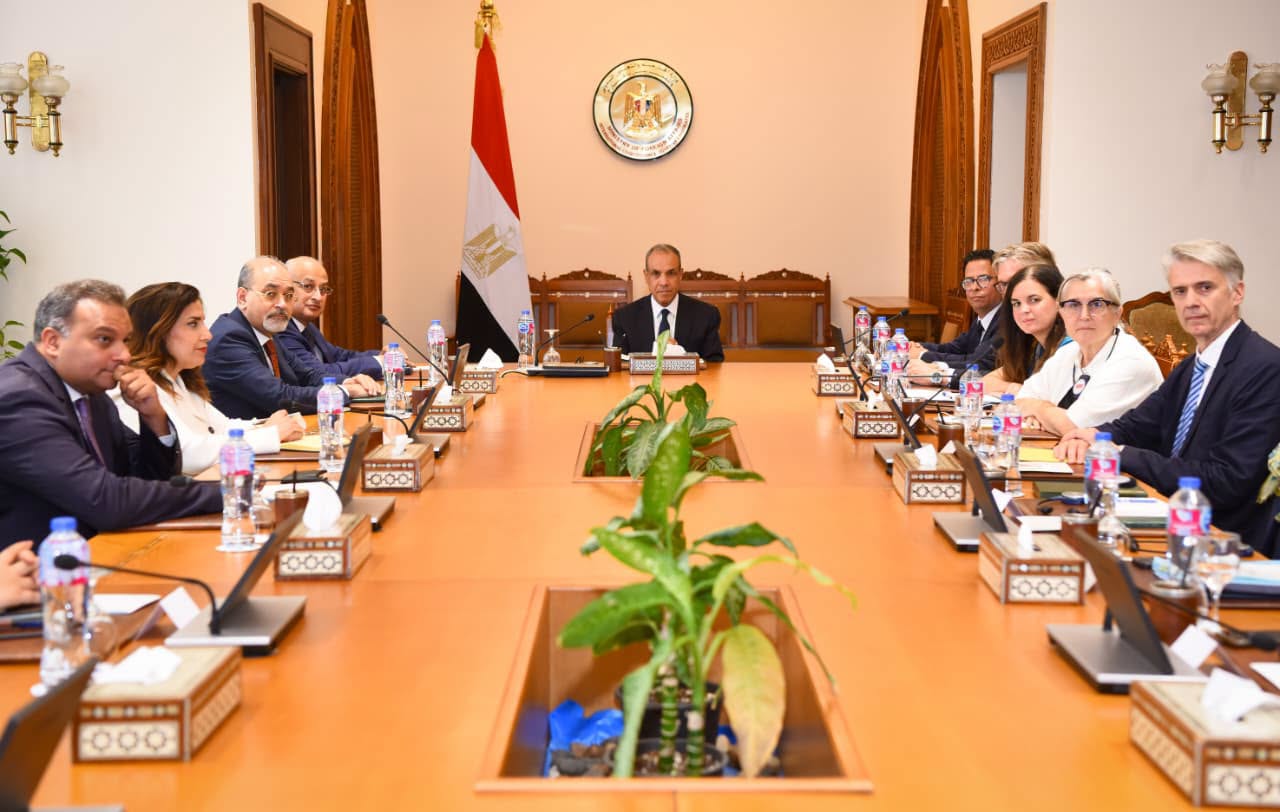
Egypt Outlines 2026-2031 National Human Rights Strategy to EU Delegation
Egypt is drafting its second five-year National Human Rights Strategy for the 2026-2031 period to reinforce democratic values, citizenship, and the rule of law, according to Minister of Foreign Affairs, International Cooperation and Egyptian Expatriates Badr Abdelatty. Abdelatty outlined the blueprint during a Tuesday meeting in Cairo with a visiting European Parliament delegation, emphasizing that the state is working to upgrade its broader rights framework despite severe economic pressures and regional security hurdles.
Strategic Dialogue with the European Parliament
Mounir Satouri, a Member of the European Parliament heading the Subcommittee on Human Rights, led the visiting delegation.
Relations between Brussels and Cairo have steadily deepened. The European delegation designated Egypt as a vital anchor for regional stability, pointing to the formal elevation of bilateral ties to a comprehensive and strategic partnership. Both sides used the parliamentary exchange to call for intensified legislative cooperation, scheduling mutual diplomatic visits to map out future collaborative projects.
Improving human rights conditions is an extended and cumulative process, Abdelatty said, affirming the government’s commitment to maintaining constructive dialogue with civil society and international partners, primarily the United Nations and the European Union.
Balancing Civic Freedoms with Social Protection
Abdelatty detailed the administration’s ongoing initiatives to balance civil and political liberties with economic, social, and cultural rights.
To substantiate these claims, the foreign minister pointed to major national programs designed to expand social safety nets. These include the Decent Life development initiative and the 100 Million Healthy Lives public health campaign, alongside massive urban renewal projects aimed at redeveloping informal settlements across major metropolitan governorates.
Geopolitical Pressures and Regional Stability
The rollout of the 2026-2031 strategy unfolds against a backdrop of acute regional instability. Abdelatty emphasized that the state’s human rights advancements have been achieved while combating persistent terrorism threats and shouldering the massive logistical and financial burden of hosting millions of migrants, refugees, and foreign residents.
Abdelatty highlighted the nation’s active engagement with the UN Human Rights Council, noting the submission of formal national reports under the Universal Periodic Review mechanism. Cairo intends to maintain an active leadership role during its ongoing tenure on the Human Rights Council in Geneva for the 2026-2028 term.