Egypt Bans Camel & Horse Rides at Giza Pyramids: A Major Ethical Tourism Reform
The Egyptian government is phasing out camel and horse rides at the Giza Plateau, transitioning the UNESCO World Heritage site toward electric-powered transport to modernize tourism and improve animal welfare. The initiative, supported by a $40.6 million investment from billionaire Naguib Sawiris, marks a definitive shift in the management of Egypt’s most iconic archaeological landmark.
The End of Animal-Powered Tourism at Giza
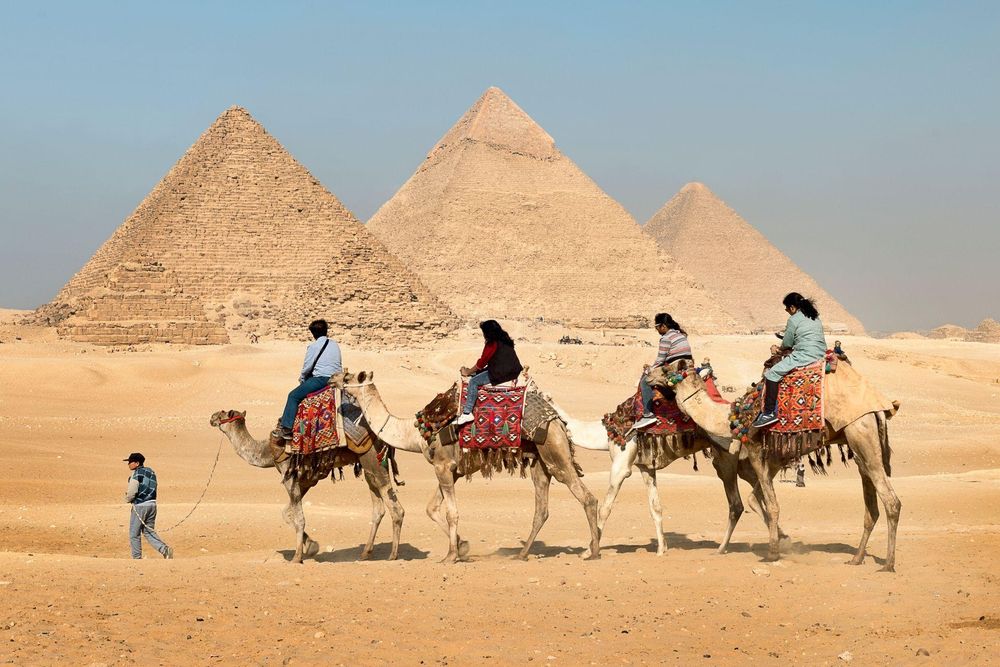
For decades, the silhouette of camels and horses against the Great Pyramids has served as the quintessential image of Egyptian tourism. As of June 2026, that tradition is nearing its formal conclusion. The Ministry of Tourism and Antiquities has confirmed that animal-based transport will be replaced by environmentally friendly electric buses and golf carts. This decision follows years of international criticism regarding the treatment of working animals at the site.
The transition is not merely a change in logistics; it is a fundamental restructuring of the Giza Plateau’s infrastructure. By removing live animals, authorities aim to reduce the physical erosion caused by hooves on ancient pathways and eliminate the sanitation challenges associated with keeping livestock at a high-traffic archaeological site.
Capitalizing on Modernization: The $40.6 Million Investment
The financial muscle behind this transformation comes from a significant infusion of capital. According to reports, billionaire businessman Naguib Sawiris has increased his investment in the Giza Plateau development project to $40.6 million. This funding is earmarked for the installation of new visitor centers, upgraded security, and the procurement of the electric fleet that will replace the traditional animal handlers.
This investment is part of a broader strategy to reposition Egypt as a high-end, sustainable travel destination. By automating transport, the site can control visitor flow more efficiently, a necessity given the increasing density of tourism traffic. For stakeholders in the region, this represents a pivot toward a more professionalized, regulated tourism economy.
Addressing the Logistical Minefield for Local Operators
The displacement of traditional animal handlers presents a complex social and economic challenge. Many local families have relied on camel and horse-riding services for generations. The transition requires a delicate balance between animal rights advocacy and the preservation of local livelihoods.
For businesses and contractors currently operating in the shadow of this policy shift, the regulatory environment is changing rapidly. Companies looking to pivot into the new tourism infrastructure or navigate the complex transition of labor contracts are increasingly turning to professional business consultants to ensure compliance with new ministerial mandates. Similarly, the legal hurdles associated with permit reclassification and the dissolution of old-model service agreements mean that many operators are now engaging specialized commercial legal counsel to protect their interests during the phase-out period.
Regional Impact and Infrastructure Sustainability
The Giza transition is expected to serve as a blueprint for other archaeological sites across Egypt, including those in Luxor and Aswan. The focus on “ethical tourism” is a direct response to global demand for standardized, humane, and sustainable travel practices. As noted by the United Nations Educational, Scientific and Cultural Organization (UNESCO), the protection of world heritage sites requires constant adaptation to prevent human-induced degradation.
The shift is also an infrastructure project. Replacing animals with electric vehicles requires a robust power grid and charging stations capable of handling constant, high-volume usage under the extreme temperatures of the Giza desert. This creates an immediate need for specialized infrastructure engineering firms capable of deploying and maintaining electrical systems in sensitive, historical environments.
Looking Toward a Modernized Horizon
The decision to move away from animal transport is a clear sign that Egypt is prioritizing long-term site preservation over short-term traditional revenue models. While the change disrupts a century-old cultural practice, it aligns the Giza Plateau with international benchmarks for modern monument management.
The success of this transition will likely be measured by the speed at which the government can integrate the displaced workforce into the new, technology-driven tourism sector. As the dust settles on the plateau, the focus shifts from the animals of the past to the electrified, regulated future of one of the world’s most significant historical sites. For those looking to participate in this changing landscape, the window to align with new, sustainable standards is closing, making the need for expert guidance and compliant operational strategies more critical than ever.