
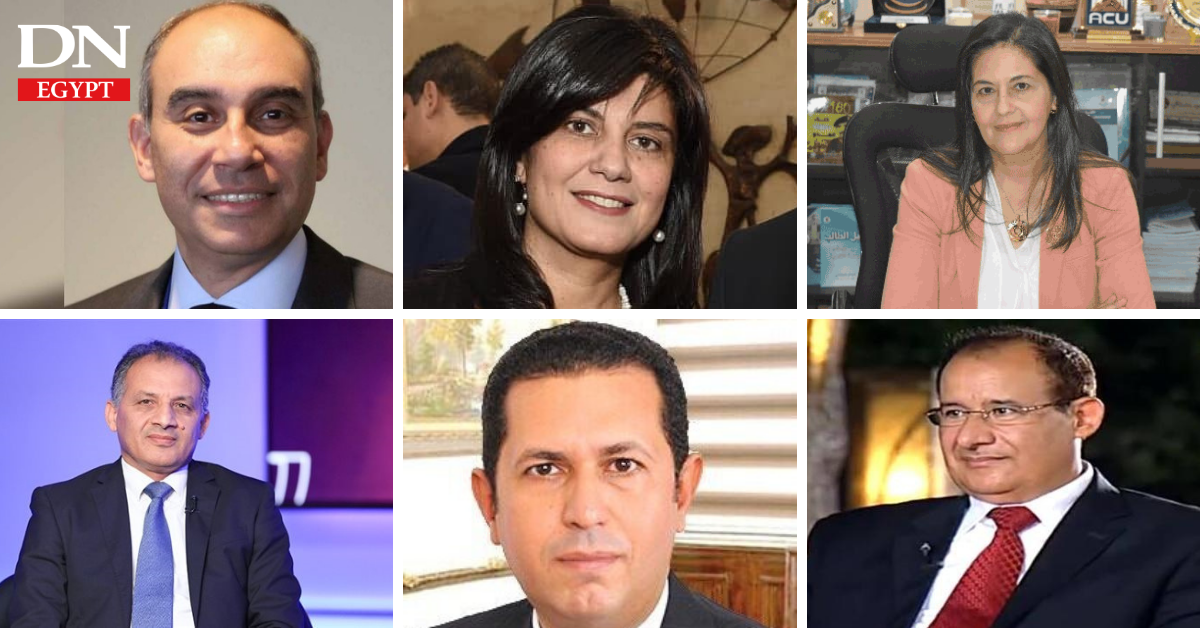
Egypt appoints Ambassador Alaa Youssef as head of State Information Service, reconstitutes board
President Abdel Fattah al-Sisi issued Decree No. 161 of 2026 on March 29, appointing Ambassador Alaa Youssef as chairperson of Egypt’s State Information Service (SIS). This restructuring reconstitutes the board to align state communication with modern diplomatic and digital strategies, impacting foreign media liaison and investment communication channels across Cairo.
The move is not merely administrative. It signals a recalibration of how Egypt projects its narrative to the world.
For international businesses, NGOs, and journalists operating within North Africa, the State Information Service acts as the primary gateway for accreditation, press releases, and government coordination. A leadership change here ripples outward. It affects visa processing for media crews. It influences the tone of official statements regarding economic reforms. It shapes the regulatory environment for digital content.
Youssef is not a career bureaucrat in the traditional sense. He brings a diplomat’s toolkit to a media role. His tenure as Egypt’s ambassador to France and former presidential spokesperson suggests a pivot toward sophisticated, internationally-minded communication. He understands the nuance of bilateral relations. He knows how Western newsrooms function.
The Board’s Strategic Composition
The reconstituted board reflects a blend of academic rigor and media operational experience. President Sisi’s decree ensures that the SIS does not operate in a vacuum. It is now tethered closely to Egypt’s largest media conglomerates.

Mohamed Fayez Farahat leads the Al-Ahram Foundation. His presence connects the SIS directly to the state’s flagship print and digital assets. Nevine Mohamed Kamel, editor-in-chief of Al-Ahram Hebdo, brings French-language expertise, signaling a continued focus on Francophone Africa and Europe. Mohamed Fahmy oversees English-language publications like The Egyptian Gazette, ensuring the Anglophone investment community receives targeted messaging.
This structure matters for compliance.
Foreign entities navigating Egyptian media laws often find the landscape complex. The overlap between state intelligence, information services, and public media can create jurisdictional gray areas. When the SIS shifts leadership, the interpretation of these regulations can shift with it. Companies relying on public communications for market entry must adjust.
Securing vetted commercial real estate attorneys and media law specialists becomes critical during such transitions. Legal counsel helps foreign firms interpret new decrees before they impact operational licenses.
The Information Gap: AI and Audience Personas
Traditional state media restructuring often focused solely on personnel. In 2026, the technology stack matters more than the org chart. The real story here is not just who leads the SIS, but how they will leverage data.
Global news organizations are increasingly deploying generative AI to synthesize research into distinct audience personas. As noted in recent industry analysis by INMA, media outlets like News24 are using AI to deepen connections with specific demographic groups. Egypt’s state media apparatus is likely to follow suit.
Why does this matter for you?
If the SIS adopts AI-driven audience segmentation, their communication will become more targeted. They will not just broadcast. they will micro-target. Investment announcements might be tailored specifically for European investors versus Gulf partners. Crisis communication could be adjusted in real-time based on sentiment analysis.
This aligns with broader trends where customer personas help organizations win earlier in AI search discovery. As detailed by Search Engine Land, companies that anchor their approach with generic questions struggle, even as those using detailed personas succeed. A modernized SIS will likely employ similar tactics to shape global perception.
news aggregators and algorithmic systems now power how audiences encounter journalism. According to the National News Authority, these systems shape what users observe. If the SIS optimizes content for these algorithms, they control the visibility of Egypt-related news on global platforms.
Implications for Foreign Operations
The decree was signed on March 29, 2026, and published for immediate implementation. The timeline is tight. There is no grace period for adaptation.
For public relations firms managing accounts in Cairo, this is a pivot point. The new leadership may prioritize different metrics for success. Transparency might be framed differently. Access to senior officials could be routed through new channels.
Developers and investors are already consulting top-tier public relations agencies to shield their assets and refine their messaging. The goal is to align corporate narratives with the state’s new communication strategy before friction occurs.
“The State Information Service functions as the regulatory hinge between foreign press and government access. A leadership change here often precedes updates in accreditation protocols. Foreign entities must ensure their compliance frameworks are agile enough to handle administrative shifts without disrupting operations.”
This insight comes from a senior partner at a Cairo-based international law firm specializing in media regulation. The warning is clear: do not wait for the official gazette to update your internal compliance manuals.
Navigating the New Landscape
The inclusion of Huwaida Mustafa as vice chairperson adds another layer of operational continuity. She understands the internal machinery of the SIS. Her role suggests that while the vision may be new, the execution will remain disciplined.
Abdel Moaty Abu Zeid Abdellatif, a former head of the foreign media sector at the SIS, returns to the board. His presence indicates a focus on foreign media relations. This is the specific channel through which international journalists interact with the state. Changes here affect press freedom indices and reporting logistics.
For journalists, this means re-verifying contacts. For businesses, it means reviewing government relations strategies. The Lenfest Institute for Journalism notes that creating audience personas enables newsrooms to develop messaging tailored to target groups. If the SIS adopts this Beyond Print Toolkit approach, their messaging will be more persuasive and harder to counter.
Reliable information is the currency of stability. In a region where geopolitical tensions can shift markets overnight, understanding the source of official information is vital. The Associated Press maintains rigorous standards for verifying such governmental changes, providing a baseline for journalistic integrity in reporting these transitions.
Foreign investors should consider engaging government relations specialists who maintain direct lines to the SIS. These professionals can navigate the informal networks that often dictate the speed of bureaucratic approval. They solve the problem of access before it becomes a bottleneck.
The appointment of Ambassador Alaa Youssef is more than a personnel file update. It is a strategic realignment of Egypt’s voice on the global stage. As the SIS integrates advanced data tools and diplomatic expertise, the barrier between state narrative and public perception will blur.
Those who monitor these shifts closely will find opportunities. Those who ignore them will find obstacles. The World Today News Directory remains committed to connecting you with the verified professionals who can navigate these complex administrative landscapes. In an era of algorithmic influence and diplomatic restructuring, having the right counsel is not just an advantage. It is a necessity.