
New Analysis Confirms Letrozole Co-Management May Improve IVF Outcomes for Poor Responders
A systematic review and meta-analysis of randomized controlled trials published in BMC Pregnancy and Childbirth suggests co-administering letrozole with gonadotropins during ovarian stimulation for in vitro fertilization (IVF) may offer benefits for patients identified as “poor responders.” However, the certainty of evidence varies across outcomes.
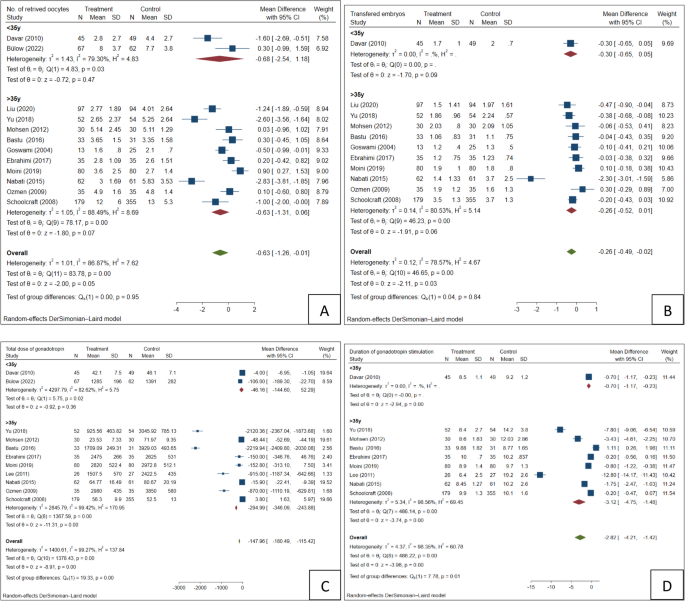
Researchers assessed the certainty of evidence using the GRADE approach, finding it ranged from moderate to very low. Evidence for pregnancy and live birth rates was rated as very low due to imprecision, heterogeneity, and limited trial numbers reporting live birth data. Outcomes related to the number of retrieved oocytes and transferred embryos were considered low certainty, reflecting inconsistencies and methodological limitations across studies.
Notably, findings regarding reduced gonadotropin dose and shorter stimulation duration were supported by moderate-certainty evidence, demonstrating consistent effects across trials despite differing protocols.
Sensitivity analysis revealed no important impact on the standardized mean difference (SMD) and its confidence interval (CI) from individual studies or clusters of studies with shared characteristics, indicating robust overall results (fig.5). Tests for publication bias – EggerS regression, Begg’s test, and funnel plot analysis - showed no evidence of bias ( *P* > 0.1), and the funnel plot for the number of retrieved oocytes appeared symmetric.
