
Economists Warn Fuel Excise Cuts Could Worsen Inflation and Petrol Shortages
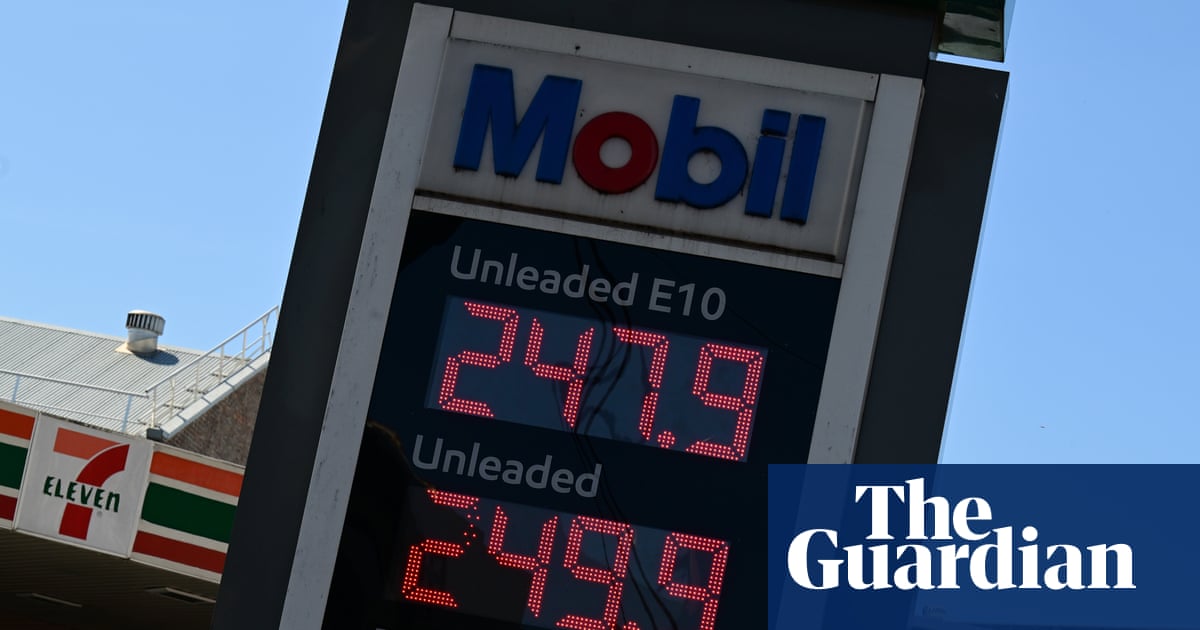
Australia’s debate over fuel excise cuts is intensifying as petrol and diesel prices surge to 250c and 300c per litre respectively, prompting calls from mining magnate Gina Rinehart and state political leaders for government intervention. Economists warn, however, that reducing the 52.6c per litre excise could exacerbate existing fuel shortages and contribute to persistent inflationary pressures, a risk that demands sophisticated supply chain risk management.
The Political Calculus vs. Economic Reality
The current push for excise reductions isn’t new. Scott Morrison’s government temporarily halved the excise in 2022 following Russia’s invasion of Ukraine, a move costing nearly $1 billion monthly. However, analysis from the e61 Institute revealed that the benefits disproportionately flowed to higher-income households, those who consume more fuel. This highlights a fundamental flaw in the proposed solution: it’s a blunt instrument that fails to address the core issue of affordability for those most impacted by rising costs. The current situation demands a more targeted approach, one that doesn’t simply increase demand in a constrained market. The debate underscores a broader tension between short-term political gains and long-term economic stability.
Fuel Supply Constraints and the Inflationary Spiral
Richard Holden, an emeritus professor of economics at the University of NSW, succinctly captured the prevailing economic concern: “That is simply going to make demand higher than it otherwise would be, which is going to make the fuel shortages we’re already experiencing worse.” This isn’t merely theoretical. Australia’s fuel security has been a growing concern, as detailed in a recent report by the Australian Institute of Petroleum, which points to dwindling refining capacity and increasing reliance on imported fuels. The report, available on their website Australian Institute of Petroleum, highlights the vulnerability of the Australian market to global supply disruptions. Cutting excise, is akin to pouring fuel onto a fire. It artificially stimulates demand when supply is already stretched, pushing prices higher and potentially leading to more severe shortages.
The inflationary implications are equally concerning. As Holden argues, excise cuts enable increased spending among those with disposable income, adding to overall demand and contributing to the broader inflationary cycle. This is particularly problematic given the Reserve Bank of Australia’s (RBA) ongoing efforts to curb inflation through interest rate hikes. According to the RBA’s latest Statement on Monetary Policy, released March 19, 2026, RBA Monetary Policy Statement, the central bank remains committed to achieving a 2-3% inflation target, and any policy that undermines this goal is likely to be met with resistance.
The Uneven Distribution of Relief
The argument that excise cuts disproportionately benefit the wealthy is well-documented. Data from the University of Canberra, as cited in The Conversation, shows that halving the fuel excise would yield modest savings for most households – around $23 for inner-city residents, $35 for those in regional areas, and $38 for outer-suburban families. However, these savings are dwarfed by the overall cost of living increases, and they pale in comparison to the benefits enjoyed by high-income earners who drive more and, consume more fuel.
“We’re seeing a classic case of regressive taxation relief. While it sounds good on the surface, the reality is that it primarily benefits those who are already financially secure, while doing little to alleviate the burden on low-income households.”
— Dr. Eleanor Vance, Senior Economist, Crestview Capital
Alternative Solutions and Targeted Support
Economists like Fabrizio Carmignani of the University of Southern Queensland advocate for a more targeted approach, suggesting that the revenue generated from the fuel excise would be better allocated to cost-of-living policies aimed at supporting lower-income households. This could include boosting payments like JobSeeker, Commonwealth Rental Assistance, and Family Tax Benefits. Such measures would directly address the financial strain faced by those most vulnerable to rising fuel prices, without exacerbating supply shortages or fueling inflation.
businesses are actively seeking solutions to mitigate fuel costs. Many are turning to supply chain optimization services to identify inefficiencies and reduce transportation expenses. Others are investing in fleet management technologies to improve fuel efficiency and reduce overall consumption. The need for robust risk management consulting is also growing, as companies grapple with the uncertainty of global fuel markets and the potential for future disruptions.
The Role of Corporate Australia and Legal Considerations
The debate also highlights the increasing influence of corporate voices in shaping public policy. Gina Rinehart’s vocal advocacy for excise cuts, through her company Hancock Prospecting, underscores the power of large corporations to lobby for policies that benefit their interests. This raises questions about transparency and accountability in the policy-making process.
Companies navigating these complex regulatory landscapes are increasingly relying on specialized corporate law firms to ensure compliance and mitigate legal risks. The potential for government intervention in fuel markets creates a dynamic legal environment, requiring businesses to stay informed and proactive in their risk management strategies.
Looking Ahead: Navigating a Volatile Energy Landscape
The current fuel crisis is a stark reminder of Australia’s vulnerability to global energy shocks. The long-term solution lies in diversifying energy sources, investing in renewable energy infrastructure, and strengthening domestic fuel security. However, these are long-term projects that require sustained investment and political commitment. In the short term, policymakers must resist the temptation of quick fixes that could exacerbate existing problems.
The situation demands a nuanced understanding of the complex interplay between supply, demand, and inflation. Businesses that can adapt to this volatile landscape, by embracing innovative technologies and seeking expert advice, will be best positioned to thrive. The World Today News Directory provides access to a vetted network of B2B partners, offering solutions in areas such as supply chain management, risk mitigation, and legal compliance.
As Australia confronts the challenges of a rapidly changing energy landscape, proactive planning and strategic partnerships will be essential for navigating the uncertainties ahead. Don’t leave your business exposed – explore our directory today to connect with the experts who can help you build resilience and secure your future.