ECDC Urges Stronger Mosquito Control Measures Amid Rising West Nile Virus Cases in Europe
The European Centre for Disease Prevention and Control (ECDC) has issued an urgent call for European nations to intensify mosquito control and surveillance following a surge in West Nile virus (WNV) cases. As of August 13, 2026, 429 indigenous cases were recorded across nine European countries, with six regions reporting locally acquired infections for the first time, according to data released by the ECDC on August 20.
-
Key Clinical Takeaways:
- 429 confirmed West Nile virus cases across nine European nations as of mid-August 2026.
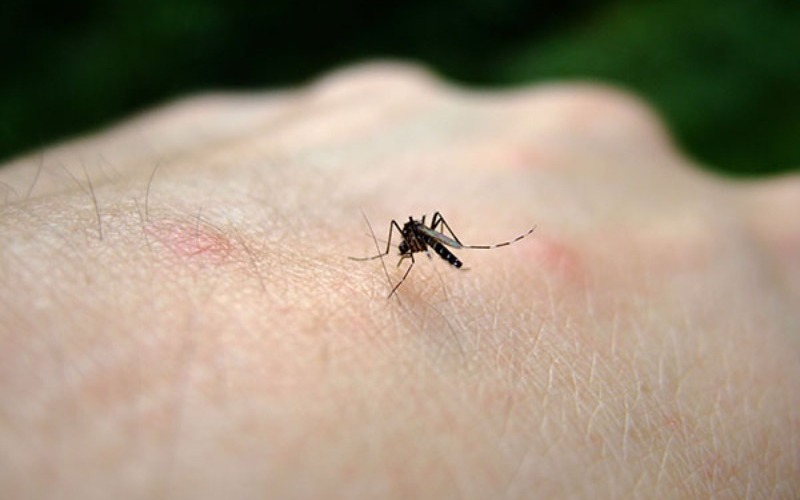
- The Asian tiger mosquito (Aedes albopictus) is now established in 16 European countries, double the presence recorded 12 years ago.
The timing of this alert coincides with the peak transmission window, which typically spans August and early September. The ECDC warns that the expansion of the West Nile virus and the proliferation of invasive mosquito species indicate a systemic failure in European vector control capabilities. This public health risk is compounded by the spread of the Aedes albopictus, which serves as a vector not only for West Nile but also for dengue and chikungunya viruses. According to reports from Gaceta Médica and ABC, the ECDC is advocating for an integrated approach that moves away from reactive, ad hoc responses toward long-term strategic planning.
Epidemiological Shifts and Vector Expansion
The pathogenesis of West Nile virus involves a complex cycle between birds and mosquitoes, with humans acting as accidental dead-end hosts. The current surge is attributed largely to the increasing footprint of invasive species. The ECDC reports that the Asian tiger mosquito is now present in 16 countries, a 100% increase over the last twelve years. This expansion increases the probability of urban transmission cycles, shifting the risk from rural areas to densely populated centers.
Clinical data highlights a disparity in how European nations handle these threats. Between 2020 and 2025, 17 countries conducted surveillance of Culex mosquitoes—the primary vectors for WNV—yet only 12 of those countries actually applied control measures, according to an ECDC report cited by Gaceta Médica. This gap between detection and action increases the morbidity risk for vulnerable populations, particularly the elderly or immunocompromised, who are more susceptible to severe neuroinvasive disease.
The ECDC stated on August 20 that the expansion of the West Nile virus, as well as the spread of invasive mosquito species, demonstrates why Europe needs to reinforce its mosquito control capacity.
Systemic Barriers to Vector Control
The ECDC identifies several regulatory and biological hurdles that hinder effective containment. A primary concern is the growing resistance of mosquito populations to existing insecticides. This biological adaptation, combined with strict environmental regulations and a limited range of authorized chemical products, has left public health agencies with few viable tools for large-scale eradication. The ECDC emphasizes the need for diversified control options backed by rigorous evidence regarding safety and environmental impact.
Funding structures also present a clinical risk. Gaceta Médica reports that many national responses rely on short-term financing, leading to a lack of long-term planning. This creates a cycle where interventions only occur after an outbreak has already begun, rather than preventing the establishment of the vector. For healthcare systems, this means a higher volume of emergency presentations during peak months, placing strain on diagnostic laboratories and infectious disease wards.

To manage these risks, the ECDC recommends a combination of larval source management and community engagement. This includes the removal of stagnant water from balconies and gardens, the use of personal protective equipment such as repellents, and the installation of physical barriers in homes. Because WNV can often present as a mild febrile illness or remain asymptomatic, the ECDC urges healthcare providers to maintain high clinical suspicion for both locally acquired and imported cases.
For clinicians managing suspected vector-borne illnesses, rapid and accurate differential diagnosis is critical to avoid misclassification.
Integrated Surveillance and Public Health Response
The current crisis underscores the necessity of a “One Health” approach, linking veterinary surveillance of avian populations with human clinical data and entomological monitoring. However, the ECDC notes that the lack of integrated data sharing between these sectors often delays public health warnings.
The morbidity associated with WNV varies significantly; while most cases are mild, the potential for encephalitis or meningitis necessitates a robust critical care infrastructure. Hospitals in regions reporting first-time local transmissions must now prepare for potential admissions of severe cases. For healthcare administrators, this shift requires an audit of available ICU capacity and specialized neurological support.

The ECDC’s call for action arrives as Europe faces a permanent shift in its ecological landscape. The combination of warming temperatures and global trade has made the establishment of invasive mosquitoes nearly inevitable. The challenge now lies in transitioning from a state of alarm to a state of permanent readiness.
As the transmission window remains open through early September, the immediate priority remains the elimination of breeding sites and the vigilance of the medical community. The long-term trajectory of WNV in Europe will be determined by whether member states can move beyond reactive funding and establish a unified, evidence-based defense against expanding vector populations.
Disclaimer: The information provided in this article is for educational and scientific communication purposes only and does not constitute medical advice. Always consult with a qualified healthcare provider regarding any medical condition, diagnosis, or treatment plan.