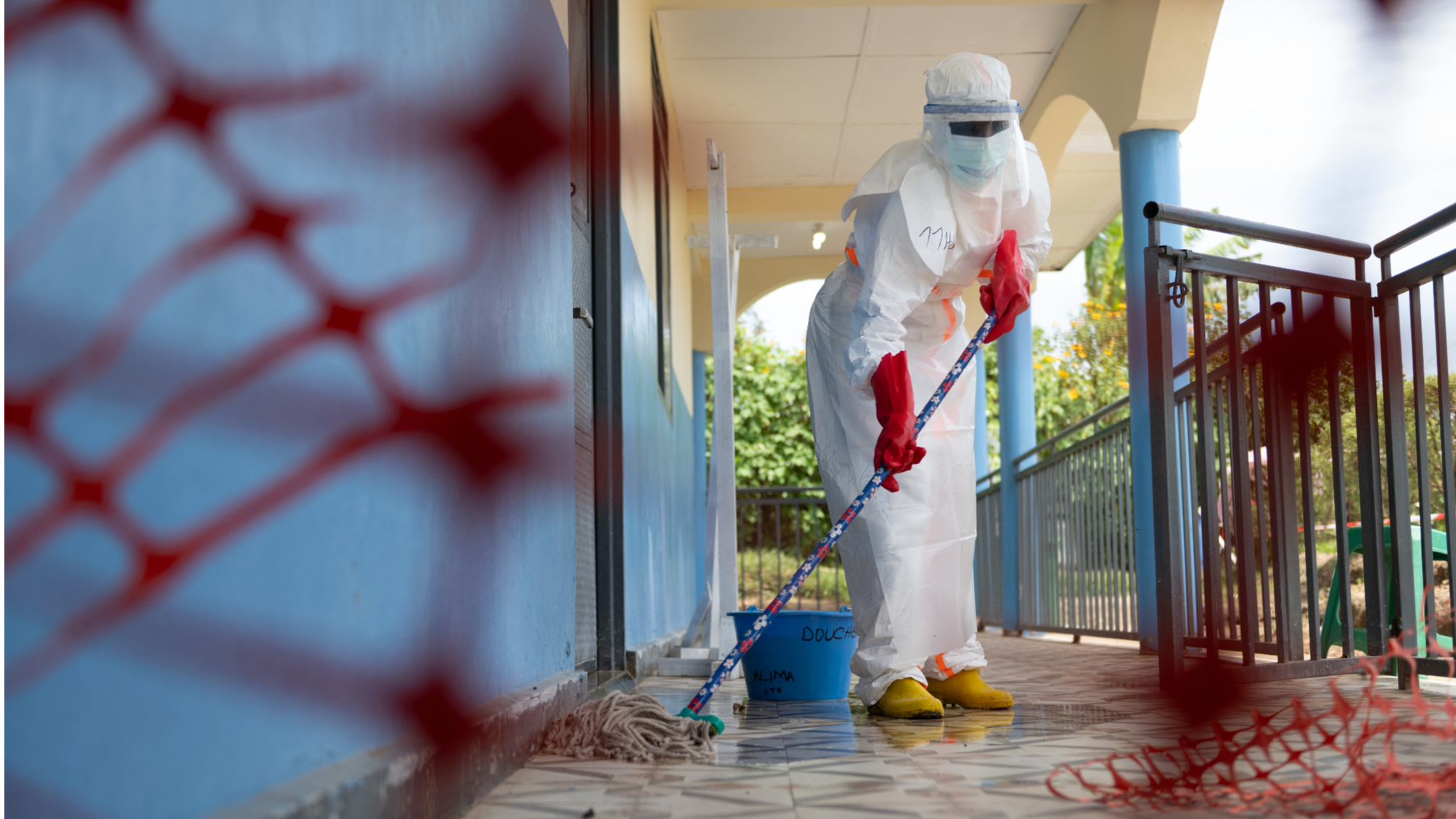
Ebola Outbreak in DR Congo: Cases Surpass 500 Amid Spread Warning
As of June 8, 2026, the Democratic Republic of Congo (DRC) has confirmed 515 cases of Ebola in its latest outbreak, with 71 new infections reported in the past week alone. The World Health Organization (WHO) and Africa CDC have launched a joint response plan, but clinicians warn the outbreak’s geographic spread—now affecting densely populated urban areas—could strain even the most robust containment protocols. For patients, this means urgent need for vaccination access, and for healthcare systems, it signals a critical moment to activate pre-positioned medical teams.
Key Clinical Takeaways:
- Urgent vaccination gap: Only 40% of high-risk populations in affected regions have received the rVSV-ZEBOV vaccine, per WHO’s latest epidemiological bulletin.
- Morbidity risk: Case fatality rates in this outbreak hover around 35%, higher than previous strains due to delayed treatment access in urban hotspots.
- Clinical triage priority: Patients with fever, severe headache, or unexplained hemorrhaging should seek immediate evaluation at WHO-designated Ebola treatment centers.
Why This Outbreak Is Different—and Why Clinics Are Already Overwhelmed
Previous Ebola epidemics in DRC, such as the 2018–2020 Kivu outbreak, were concentrated in rural areas where containment was relatively easier. This time, the virus has spread to Mbandaka—a city of 1.2 million people, where transmission dynamics shift dramatically. “In urban settings, the basic reproduction number (R₀) can exceed 2.5, meaning each infected person spreads the virus to two or three others before symptoms appear,” explains Dr. Amina Okafor, infectious disease epidemiologist at the University of Kinshasa. “That’s why we’re seeing clusters in markets and healthcare facilities.”

WHO’s joint response plan with Africa CDC prioritizes three interventions: expanding vaccination rings (targeting contacts of contacts), deploying mobile treatment units, and reinforcing laboratory capacity. Yet funding remains a bottleneck—only 30% of the $120 million requested has been secured, leaving gaps in personal protective equipment (PPE) and oral health monitoring.
How the rVSV-ZEBOV Vaccine Works—and Where the Supply Chain Fails
The rVSV-ZEBOV vaccine, developed by the Merck Vaccine Division (funded by the Coalition for Epidemic Preparedness Innovations, or CEPI), has shown 97.5% efficacy in phase III trials. It works by delivering a recombinant vesicular stomatitis virus (VSV) vector encoding the Ebola glycoprotein, triggering a rapid immune response. “The vaccine’s single-dose regimen is a game-changer, but cold-chain requirements and distribution logistics in conflict zones remain critical hurdles,” notes Dr. Jean-Paul Kengne, lead researcher at the DRC’s National Institute of Biomedical Research.
Current vaccination coverage:
- High-risk healthcare workers: 60% vaccinated
- General population in hotspot regions: 25% vaccinated
- Urban slum populations: <5% vaccinated
Merck’s vaccine supply is currently sufficient for 200,000 doses, but WHO estimates an additional 500,000 doses will be needed to cover the expanded response area. “The bottleneck isn’t vaccine production—it’s last-mile delivery,” says Kengne. “We’re seeing delays in rural areas due to roadblocks and community mistrust.”
What Happens Next: The 3-Phase Containment Timeline
WHO’s response plan unfolds in three critical phases, each with distinct clinical and logistical demands:
- Phase 1 (June–July 2026): Immediate Containment
- Goal: Isolate confirmed cases within 48 hours of symptom onset.
- Challenge: Only 60% of health facilities in Mbandaka have Ebola diagnostic capacity.
- Action required: Clinics must deploy rapid antigen tests (e.g., RecombiNAX’s Ebola Ag Test) to reduce turnaround time from 48 hours to under 6 hours.
- Phase 2 (August–September 2026): Vaccination Scaling
- Goal: Achieve 80% coverage in high-risk populations.
- Challenge: Vaccine hesitancy in communities where previous outbreaks were linked to stigma.
- Action required: Mobile vaccination teams need cultural mediators to address misinformation. [Relevant Clinic: Médecins Sans Frontières (MSF) Ebola Response Teams are already embedding community health workers in affected districts.]
- Phase 3 (October 2026 Onward): Surveillance and Adaptation
- Goal: Shift from reactive to predictive modeling using genomic sequencing.
- Challenge: Limited sequencing capacity outside Kinshasa.
- Action required: Laboratories must partner with PATH’s Ebola Genomics Initiative to track viral mutations in real time.
Where to Find Specialized Care: Directory Triage
For patients exhibiting Ebola symptoms, immediate referral to WHO-designated treatment centers is critical. In DRC, these include:
- [General Reference Hospital of Mbandaka] – The primary Ebola treatment unit, equipped with negative-pressure isolation wards and supported by MSF.
- [University Teaching Hospital of Kinshasa] – Serves as the national reference lab for confirmatory PCR testing.
- [International Medical Corps Mobile Clinics] – Deployed to rural hotspots for rapid triage and vaccination.
For healthcare providers needing compliance support amid regulatory shifts, consulting with AVERT’s Ebola Preparedness Team can clarify WHO’s updated infection control protocols. Meanwhile, pharmaceutical distributors should audit their cold-chain logistics with Pharmaceutical Compliance International, which specializes in high-risk vaccine distribution.
A Cautionary Note: Why This Outbreak Could Reshape Global Health Policy
The DRC’s outbreak serves as a stress test for the WHO’s Blueprint for Pandemic Preparedness, particularly its “100 Days Mission” to contain high-threat pathogens. “If we fail here, we risk normalizing the idea that Ebola is an urbanizable disease—one that can’t be contained without unprecedented investment in local healthcare systems,” warns Dr. Okafor. The question now isn’t whether this outbreak will spread further, but how quickly the global community can mobilize resources to prevent it from becoming the next pandemic.
For now, the focus remains on the frontlines: clinicians, epidemiologists, and logisticians working in real time to close the gaps. The data is clear—time is the variable no one can afford to waste.
*Disclaimer: The information provided in this article is for educational and scientific communication purposes only and does not constitute medical advice. Always consult with a qualified healthcare provider regarding any medical condition, diagnosis, or treatment plan.*