Ebola Outbreak in Congo: Vaccination Campaigns and Global Health Response
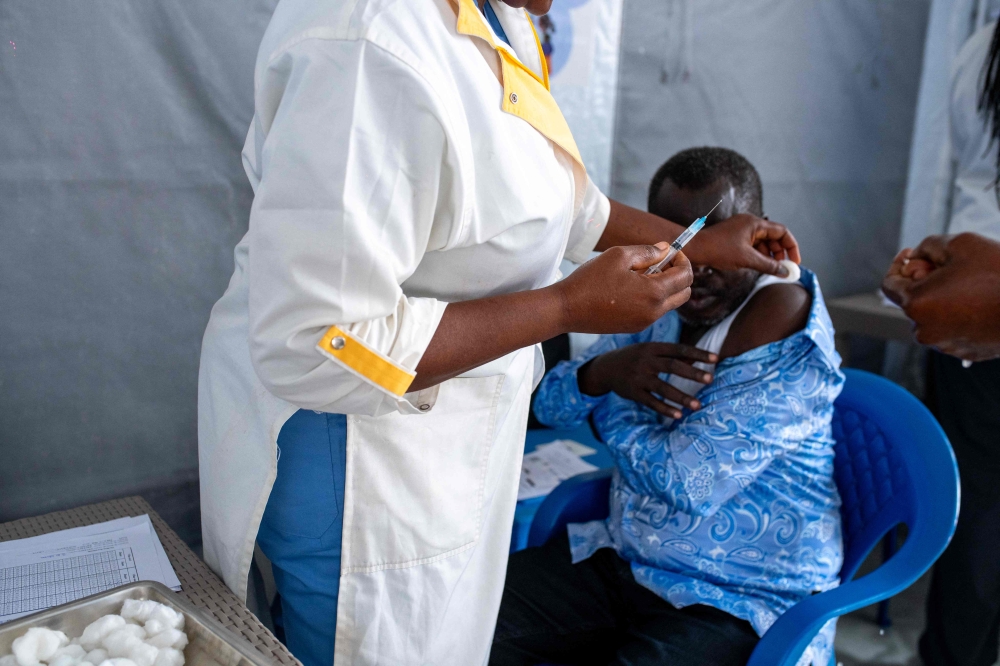
The Democratic Republic of the Congo has launched an emergency vaccination campaign targeting 20,000 frontline health workers to curb an escalating viral outbreak, according to public health reports. This urgent immunization drive unfolds as regional epidemiologists warn of severe vulnerabilities across local health infrastructure, prompting calls for immediate international intervention to prevent wider transmission of the viral pathogen.
- The Democratic Republic of the Congo initiated a targeted vaccination initiative aimed at immunizing 20,000 frontline healthcare workers against the virus.
- Public health authorities and international agencies are urging immediate global funding and logistical backing to contain the ongoing outbreak.
- Clinical data from comparable regional interventions, such as recent trials monitored by the World Health Organization, underscore the critical necessity of rapid containment protocols.
Epidemiological Pressures and Regional Health System Vulnerabilities
Frontline medical personnel operate in environments facing profound structural strains. Recent assessments by West African scientific teams highlight a worrying decay in baseline health systems, which directly compromises rapid response capabilities during infectious disease surges.
Clinical Trials and the Push for Proven Therapeutics
Alongside prophylactic vaccination campaigns for workers, clinical researchers have initiated formal trial phases for targeted medical countermeasures within the Democratic Republic of the Congo. These investigations evaluate dosing safety, immunogenicity profiles, and adverse event frequencies under rigorous, monitored protocols. Concurrently, comparative analyses of prior containment efforts—such as those documented by the World Health Organization during outbreaks in neighboring Uganda—demonstrate that structured, rapid-response trials can successfully halt viral spread when supported by robust community engagement.
International Funding Gaps and the Path Forward
The success of the 20,000-dose worker immunization initiative depends heavily on sustained external financing. Bridging this funding gap remains an operational priority for global health agencies working alongside local ministries.
*Disclaimer: The information provided in this article is for educational and scientific communication purposes only and does not constitute medical advice. Always consult with a qualified healthcare provider regarding any medical condition, diagnosis, or treatment plan.*