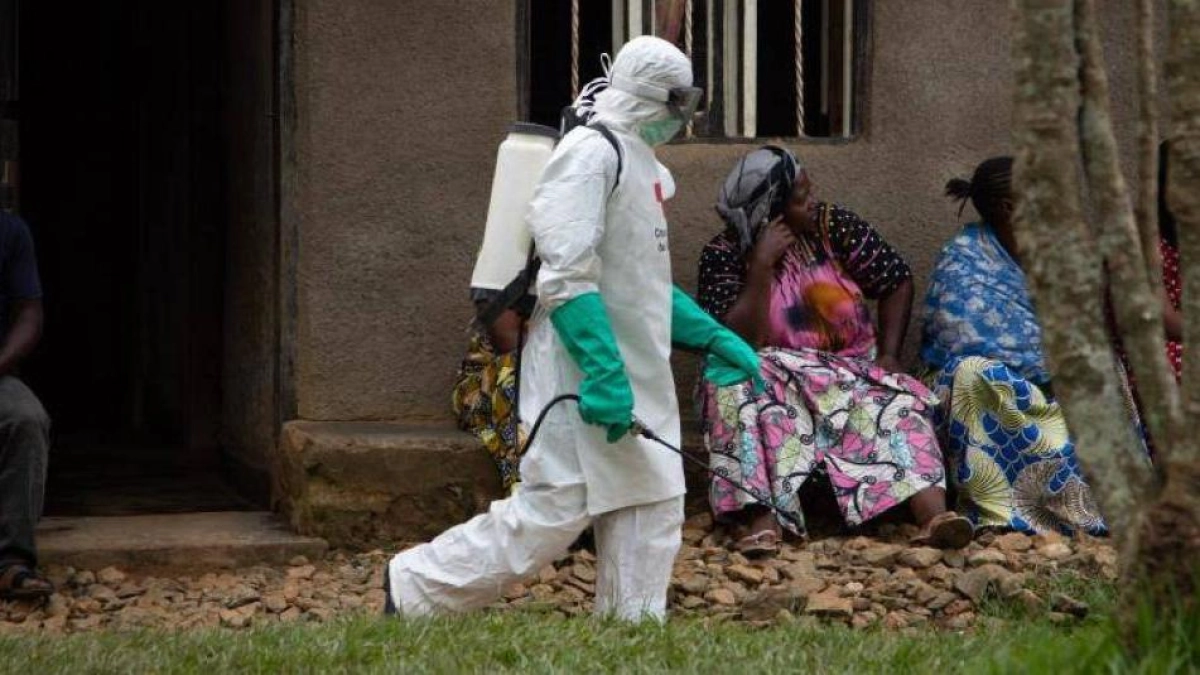
Ebola Outbreak: Global Response to New Cases in Uganda and Democratic Republic of Congo
As the global health community monitors the re-emergence of Ebola virus disease (EVD) in the Democratic Republic of the Congo (RDC) and Uganda, public health officials in urban centers like Bogotá are evaluating the systemic readiness required to manage a high-consequence infectious disease. The current epidemiological landscape, characterized by rising mortality counts and high-risk classifications from the World Health Organization (WHO), necessitates a shift from passive observation to active clinical preparedness and robust diagnostic surveillance.
Key Clinical Takeaways:
- Epidemiological data from the RDC and Uganda indicate a sustained, high-mortality outbreak, prompting the WHO to categorize regional risk as “very high.”
- Effective containment relies on rapid diagnostic identification and the immediate implementation of standardized isolation protocols to prevent community transmission.
- Clinical readiness requires local healthcare facilities to maintain updated triaging workflows and specialized training for medical personnel handling suspected viral hemorrhagic fevers.
The Pathogenesis and Epidemiological Trajectory
The Ebola virus, a filovirus, induces severe hemorrhagic fever characterized by rapid viral replication and systemic inflammatory response. The current outbreak, as tracked by international health authorities, underscores the pathogen’s capacity for rapid dissemination in regions with dense population centers. The pathogenesis involves the infection of monocytes, macrophages, and dendritic cells, triggering a cytokine storm that leads to multi-organ failure and vascular leakage. According to the latest WHO clinical guidelines, the standard of care remains centered on supportive therapy, including aggressive fluid resuscitation, electrolyte balancing, and hemodynamic support.
“The primary challenge in managing filovirus outbreaks in urban settings is not merely the availability of specialized treatment centers, but the immediate institutional capacity to recognize early-stage symptoms and enforce strict barrier nursing protocols before community spread occurs.”
The mortality rate associated with this pathogen is highly variable but remains significantly elevated without early medical intervention. Current research, often supported by global health grants from bodies such as the NIH and international humanitarian consortiums, focuses on the efficacy of monoclonal antibody treatments and vaccine candidates. However, the efficacy of these interventions is tethered to the speed of the diagnostic pipeline. For regional facilities, the primary hurdle is the integration of these advanced therapeutic options into existing, high-volume clinical workflows.
Clinical Readiness and Diagnostic Triage
For large metropolitan areas, the preparedness model must prioritize the identification of “index cases” within the primary care setting. Clinicians serving in family medicine and general practice are the first line of defense. The ability to distinguish between common febrile illnesses and the early, non-specific symptoms of Ebola is a critical skill set that requires continuous medical education and access to rapid diagnostic testing. When patients present with unexplained febrile illness following travel to high-risk zones, it is essential to engage with board-certified infectious disease specialists to ensure that isolation and reporting protocols are initiated without delay.
Healthcare infrastructure must be audited for its ability to handle high-consequence pathogens, ensuring that personal protective equipment (PPE) stocks are sufficient and that staff are proficient in donning and doffing procedures. Administrative leadership at clinics and health networks should work closely with healthcare compliance attorneys to navigate the complex regulatory requirements involved in managing potential quarantine zones and coordinating with national health ministries. This proactive management minimizes the risk of operational bottlenecks that often occur when local systems are suddenly tasked with high-acuity infectious disease management.
Infrastructure and Long-Term Surveillance
The sustainability of the global response depends on continuous, longitudinal surveillance. Data gathered from the current RDC outbreak provides valuable insights into the viral vector’s behavior and the effectiveness of community-based vaccination campaigns. Peer-reviewed literature, such as studies found on PubMed, consistently highlights that the most successful containment strategies are those that integrate clinical science with community trust and transparent public health communication. By maintaining rigorous, evidence-based practices, healthcare providers can mitigate the risk of morbidity even in the face of evolving viral challenges.

As the international community continues to monitor these developments, the focus remains on closing the gap between research-level breakthroughs and bedside application. For patients and families concerned about their own health security, maintaining a relationship with a consistent primary care provider is the most effective way to navigate health risks. Those seeking to establish or update their care plans should connect with family medicine practitioners who are equipped to provide longitudinal health monitoring and direct access to specialized referral networks when necessary. The future of public health stability rests on this dual commitment: high-level clinical research and the accessibility of local, vetted medical expertise.
Disclaimer: The information provided in this article is for educational and scientific communication purposes only and does not constitute medical advice. Always consult with a qualified healthcare provider regarding any medical condition, diagnosis, or treatment plan.