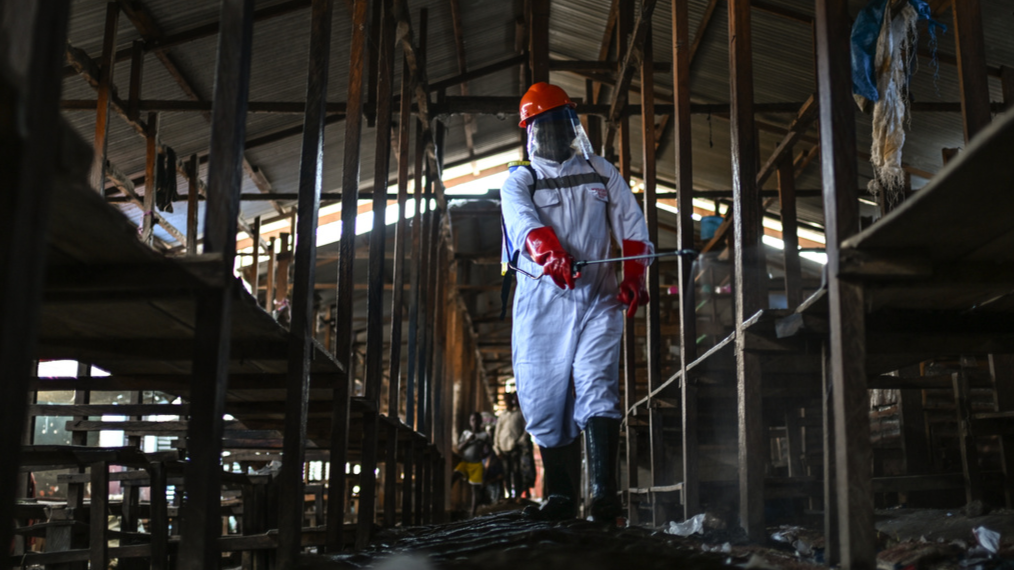
Ebola Crisis Escalates in DR Congo: Rapid Spread, Rebel Zones, and Global Health Alert
The Democratic Republic of Congo (DRC) is battling its 17th Ebola outbreak since 1976, this time driven by the Bundibugyo ebolavirus, a pathogen with no licensed vaccine or treatment. The virus has now reached rebel-held areas in Ituri Province, complicating containment efforts amid active conflict, refugee movements and a healthcare system stretched thin. With the World Health Organization (WHO) declaring this a Public Health Emergency of International Concern (PHEIC), the stakes could not be higher—yet the response hinges on public health measures that may falter in zones where security and trust are already fragile.
Key Clinical Takeaways:
- The current outbreak is caused by the Bundibugyo ebolavirus, distinct from the Zaire ebolavirus responsible for past DRC epidemics, and lacks approved vaccines or treatments.
- Cross-border spread to Uganda and rebel-controlled regions in Ituri Province has intensified transmission risks, with no licensed countermeasures available, forcing reliance on supportive care and infection control.
- Healthcare providers in high-risk regions must prioritize stringent infection prevention protocols, including contact tracing and safe burial practices, to curb morbidity.
Why This Outbreak Demands Urgent Clinical Adaptation
The Bundibugyo ebolavirus (BDBV) is not new—it was first identified in Uganda in 2007 and has since caused sporadic outbreaks in DRC and Uganda. Yet its pathogenesis remains less understood than that of the Zaire ebolavirus (EBOV), which has dominated global attention. Unlike EBOV, BDBV has a lower case-fatality rate (approximately 25–50%), but its transmission dynamics in conflict zones—where healthcare access is limited and populations are highly mobile—pose unique challenges. The absence of a vaccine or specific treatment means the response must pivot to non-pharmacological interventions, including early detection, isolation, and community engagement.
“The lack of approved countermeasures for Bundibugyo virus disease forces us to rely on the fundamentals: surveillance, contact tracing, and infection control. But in Ituri, those fundamentals are under siege by insecurity and misinformation. We need to act now to prevent this from becoming a regional crisis.”
Epidemiological Realities: Why This Outbreak Is Different
The WHO’s temporary recommendations underscore the urgency of addressing three critical gaps:
- Diagnostic Delays: BDBV shares symptoms with malaria and other febrile illnesses common in the region, leading to underreporting. The DRC’s health system, already strained by conflict, lacks sufficient real-time PCR testing capacity for rapid confirmation.
- Security Barriers: Rebel-held areas in Ituri Province have seen active transmission despite WHO’s appeals for access. Health workers in these zones face targeted violence, exacerbating staff shortages.
- Cross-Border Spread: Uganda’s first confirmed BDBV case in May 2026 highlights the risk of international transmission, particularly via trade routes and refugee movements.
Public Health Infrastructure Under Pressure
The response to this outbreak is a test of One Health collaboration, integrating clinical, veterinary, and environmental surveillance. Yet in Ituri, the healthcare ecosystem is fragmented:
- Primary Care Gaps: Rural clinics lack the resources to implement WHO’s infection prevention protocols, leaving communities vulnerable to nosocomial transmission.
- Laboratory Shortages: The DRC’s Institut National de Recherche Biomédicale (INRB) is the primary lab for Ebola diagnostics, but its capacity is overwhelmed. Samples from rebel zones often arrive delayed or contaminated.
- Community Distrust: Past outbreaks have fueled rumors and stigma, with some groups refusing to cooperate with contact tracers.
“The biggest challenge isn’t the virus itself—it’s the environment. You can’t deploy a vaccine or treatment when half the health zones are inaccessible. We’re seeing a repeat of 2018–2020, where security and logistics became the bottleneck.”
Clinical Triage: Who Can Help Now?
For healthcare providers, researchers, and patients navigating this crisis, the following entities offer critical support:
- For Ebola Surveillance and Diagnostic Support: Clinics and labs with WHO-prequalified PCR testing are essential. In the U.S., the CDC’s Division of High-Consequence Pathogens and Pathology provides reference testing for suspected cases. For global capacity building, the Africa CDC offers training in outbreak response.
- For Infection Control and Hospital Preparedness: Hospitals in high-risk regions must adopt WHO’s Ebola treatment center (ETC) guidelines. In the U.S., board-certified infectious disease specialists can assist with protocol adaptation, while healthcare compliance attorneys can navigate regulatory hurdles for rapid deployment of PPE and isolation units.
- For Patients and Families Seeking Care: Those with travel or exposure history to Ituri Province should seek evaluation at specialized infectious disease clinics equipped for Ebola monitoring. Clinics like the Pandya Medical Center in Johns Creek, GA, which offers comprehensive primary care, can provide pre-exposure risk assessments and post-exposure prophylaxis guidance.
The Road Ahead: Research and Response
While the immediate response relies on public health measures, long-term solutions demand accelerated research. The NIH’s Ebola Treatment and Prevention Network (ETPN) is evaluating potential therapies, including monoclonal antibodies and repurposed antivirals, but no candidate has yet reached FDA Emergency Use Authorization (EUA) for BDBV. Meanwhile, the WHO’s Ebola Preparedness and Response Plan is funding rapid diagnostic development, but deployment in conflict zones remains a logistical nightmare.

The trajectory of this outbreak will hinge on three factors: early detection, community engagement, and healthcare system resilience. For providers in stable regions, the lesson is clear: preparedness is not just about stockpiling vaccines—it’s about epidemiological surveillance, biosecurity training, and regulatory agility to adapt to emerging threats.
As the DRC grapples with this outbreak, the global community must reinforce its commitment to One Health—a collaborative approach that bridges human, animal, and environmental health. The absence of a pharmaceutical solution underscores a harsh truth: in the fight against Ebola, the most potent “drug” remains vigilance.
Disclaimer: The information provided in this article is for educational and scientific communication purposes only and does not constitute medical advice. Always consult with a qualified healthcare provider regarding any medical condition, diagnosis, or treatment plan.