Earthquake Hits Near Banning: Latest Los Angeles News Updates
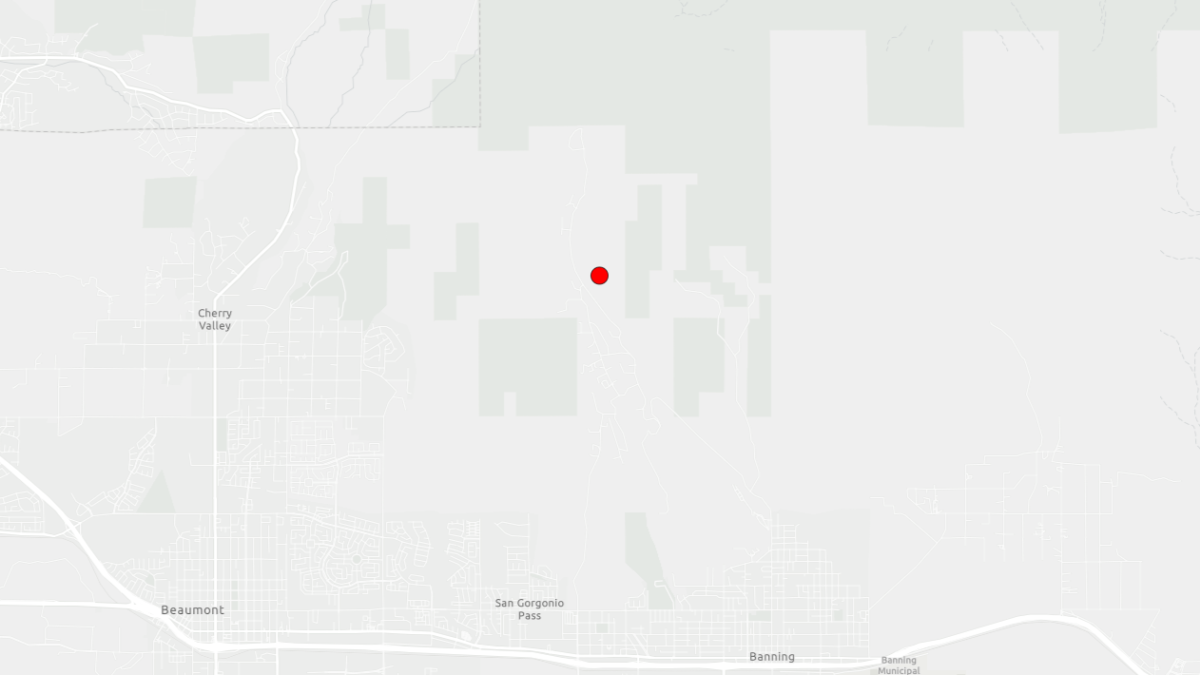
A preliminary 3.3-magnitude earthquake struck Riverside County near Banning and Cherry Valley on Saturday, April 4, 2026. The tremor, occurring just before 4:40 p.m., was felt across the Inland Empire and Coachella Valley, prompting reports from dozens of residents through the U.S. Geological Survey’s monitoring tools.
While a 3.3-magnitude event is often categorized as minor, its occurrence in a specific geographical cluster raises immediate questions about regional stability. For residents of the Inland Empire, these tremors are more than just geological curiosities; they are jarring reminders of the inherent volatility of the Southern California landscape. When the ground shakes in sparsely populated areas like Cherry Valley, the immediate physical danger may be low, but the long-term implications for infrastructure and psychological readiness are significant.
This is not an isolated event.
The Anatomy of the Banning Tremor
The event on April 4 occurred at 4:37 p.m. Local time, with the epicenter located exactly at 0.0 km from Cherry Valley, or approximately 7 km NNW of Banning. Data from the U.S. Geological Survey (USGS) indicates the quake struck at a depth of 9.0 km. Shallow earthquakes, such as this one, are typically felt more intensely by people on the surface than deeper quakes of the same magnitude.
The impact was widespread. While the epicenter was near Banning, the “Did You Feel It” tool recorded reports from residents in Beaumont, Lake Elsinore, and the Menifee area. The shaking even reached parts of the Coachella Valley. At least 55 people reported feeling the event, highlighting how a relatively small magnitude can still disrupt daily life across a broad jurisdictional footprint.
No tsunami statements were issued, and there were no immediate reports of injuries or structural collapses. However, the lack of immediate damage does not equate to a lack of risk.
A Recurring Seismic Pattern
Context is everything in seismology. To understand the April 4 event, one must look back to February 17, 2026. On that Tuesday morning, shortly before 11 a.m., a preliminary 3.6-magnitude earthquake rattled the same region near Banning. That February quake occurred at a depth of nearly nine miles, mirroring the shallow nature of the April event.
Having two notable tremors—both between 3.3 and 3.6 magnitude—strike the Banning area within two months suggests a period of heightened activity. For local municipal planners and homeowners, this pattern shifts the conversation from “if” the ground will shake to “how prepared” the built environment is for a more significant event.
Small quakes often act as a wake-up call.
Regional Reach and Infrastructure Vulnerability
The geographical spread of the shaking—from the Banning and Beaumont hubs to the Coachella Valley—underscores the interconnected nature of Riverside County’s infrastructure. Many of the roads and utility lines serving these areas traverse terrain that is susceptible to seismic shifts. Even minor tremors can expose hairline fractures in aging pipelines or weaknesses in residential foundations that have not been updated to modern seismic codes.

The problem is that many properties in the Inland Empire were constructed before the implementation of rigorous seismic safety standards. This creates a hidden liability for homeowners and commercial property managers. When a 3.3-magnitude quake is felt across multiple cities, it serves as a diagnostic test for the region’s structural integrity.
Addressing these vulnerabilities requires more than just a first-aid kit. It requires a professional audit of the physical environment.
Moving from Reaction to Resilience
The gap between feeling a tremor and being truly prepared is wide. Most residents react to an earthquake after it happens, but resilience is built during the quiet periods between events. The primary problem created by these recurring tremors is the uncertainty of structural safety. To solve this, property owners are increasingly turning to structural engineering firms to conduct seismic retrofitting and vulnerability assessments.
Beyond the physical structures, there is the logistical challenge of emergency coordination. The coordination between Banning, Beaumont, and the broader Riverside County emergency services is critical. For those managing large estates or commercial complexes, securing emergency preparedness consultants ensures that evacuation plans and safety protocols are not just documents in a drawer, but actionable strategies.
the financial aftermath of seismic activity—even minor damage—often leads to disputes over policy coverage. Navigating the complexities of earthquake insurance requires specialized knowledge, leading many to consult with specialized insurance brokers to ensure their assets are shielded from the unpredictability of the earth.
Essential Preparedness Checklist for Riverside County Residents
- Secure Heavy Furniture: Anchor bookshelves, wardrobes, and televisions to wall studs to prevent tipping during shallow tremors.
- Utility Shut-off Access: Ensure all members of the household know how to shut off gas, water, and electricity to prevent secondary disasters like fires.
- Digital Document Backup: Store copies of property deeds and insurance policies in a secure cloud environment, accessible from any location.
- Emergency Supply Audit: Review kits for fresh water, non-perishable food, and medical supplies, as recommended by Ready.gov.
- Communication Plan: Establish an out-of-state contact point to coordinate family safety when local cellular networks are congested.
The reality of living in Southern California is that the ground is never truly still. The events in Banning and Cherry Valley are reminders that the environment dictates the terms of our safety. Whether We see a 3.3-magnitude jolt or something larger, the only variable we can control is our level of preparation.
The most dangerous response to a minor earthquake is the belief that it was a one-time occurrence. True security comes from recognizing the pattern and engaging the professionals who can harden our homes and businesses against the inevitable. For those seeking verified experts to secure their property or plan their emergency response, the World Today News Directory remains the definitive resource for connecting with the professionals equipped to handle the volatility of our world.