
Early Flu Surge Hits U.S. Hospitals Weeks Ahead of Typical Peak
“Flu started a bit early this year, so it’s out there and spreading,” Dr. William Schaffner told NPR as emergency departments face rising patient volumes weeks ahead of the typical winter peak.
U.S. hospitals reported lab-confirmed flu admissions, according to Forbes, marking an early start to the respiratory virus season just as millions of travelers prepare for holiday gatherings.
-
Key Clinical Takeaways:
- U.S. hospital admissions for lab-confirmed influenza reached 11,734 during the week ending Nov. 14, significantly higher than the 1,665 reported during the same period last season, according to latest influenza tracking numbers from federal health officials.
- The predominant circulating strain is influenza A H1N1 carrying a G155E mutation, which can partially evade immunity derived from previous infections and past vaccinations.
- Health agencies advise that antiviral treatments such as oseltamivir and baloxavir are most effective when administered within 48 hours of symptom onset, ideally through primary care or urgent care rather than emergency rooms.
Surveillance Data and Circulating Strains
The Centers for Disease Control and Prevention estimates that the current season has already driven at least 3.7 million illnesses, 50,000 hospitalizations, and 2,800 deaths nationwide. Nearly one in eight national flu tests is returning a positive result, and eleven states and jurisdictions report high or very high flu activity.
Public health laboratories reported that nearly all circulating viruses are influenza A, with influenza A(H1N1)pdm09 accounting for 98.9% of subtyped specimens during Week 44. The prevailing H1N1 strain features the G155E mutation located near antibody-target sites, allowing the virus to slip past some population immunity built up from prior seasons.
Regional Impact and Hospital Strain
Activity has intensified unevenly across the country, with early surges hitting the South and West hardest. Louisiana, California, Washington, Oregon, Tennessee, Texas, and South Carolina are among the states experiencing elevated transmission rates.
In San Francisco, local health officials reported the city’s first death caused by the flu this season on Oct. 1, while city data shows hospitalizations peaking in late October before hovering at sustained levels through November. Across Virginia, emergency department visits for influenza-like illness have climbed to roughly 2% of all visits, more than double the rate recorded at this point last year.
Vaccination and Antiviral Timing
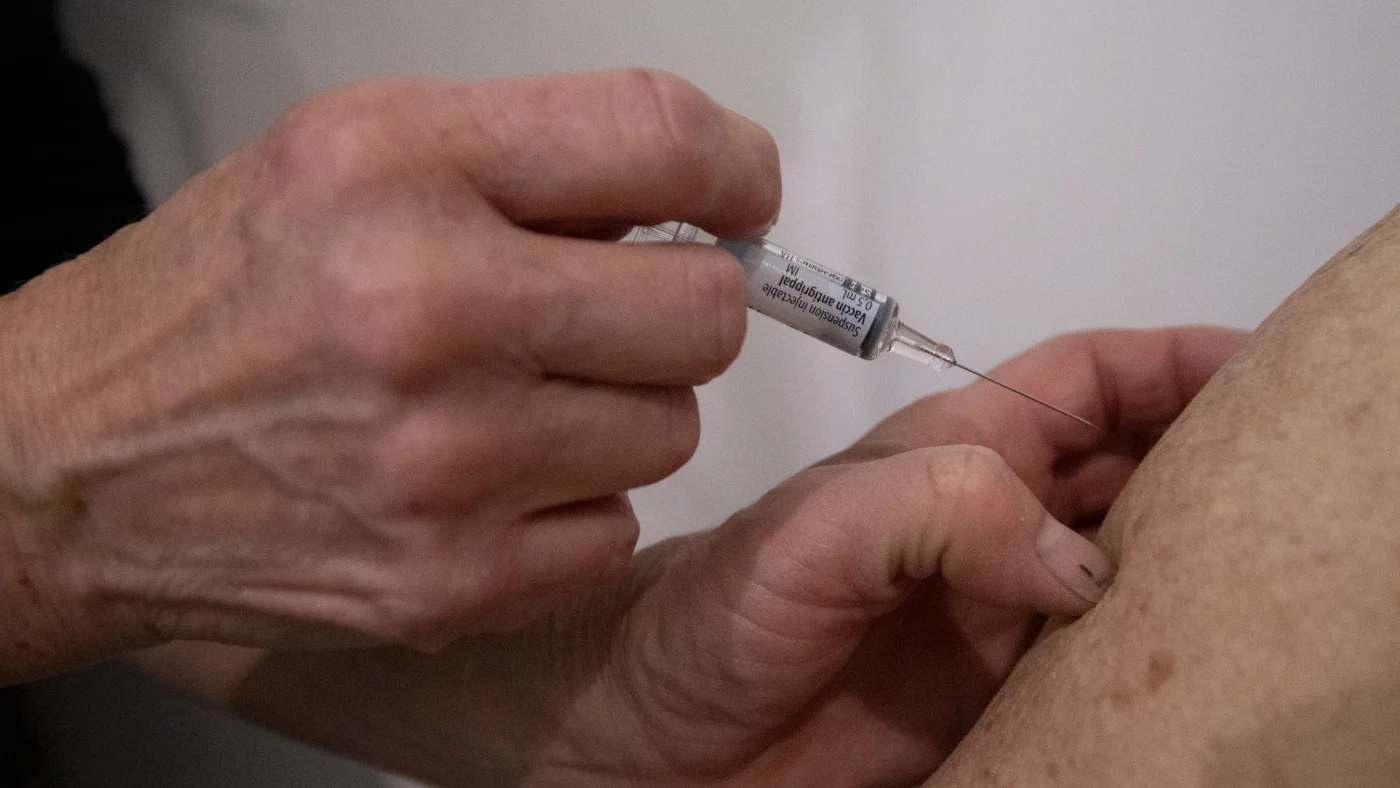
While the circulating H1N1 mutation creates a mismatch with previous immune profiles, medical experts emphasize that receiving a flu shot still provides valuable protection. Last season, CDC estimates found the vaccine cut adult hospitalizations by about 30%, which helps prevent severe crowding in emergency departments.
“Influenza is circulating, people are traveling, people are getting ready for Thanksgiving, the holidays. And the best protection you can get is from the vaccine,” Claire Hannan, the executive director of the Association of Immunization Managers, said.
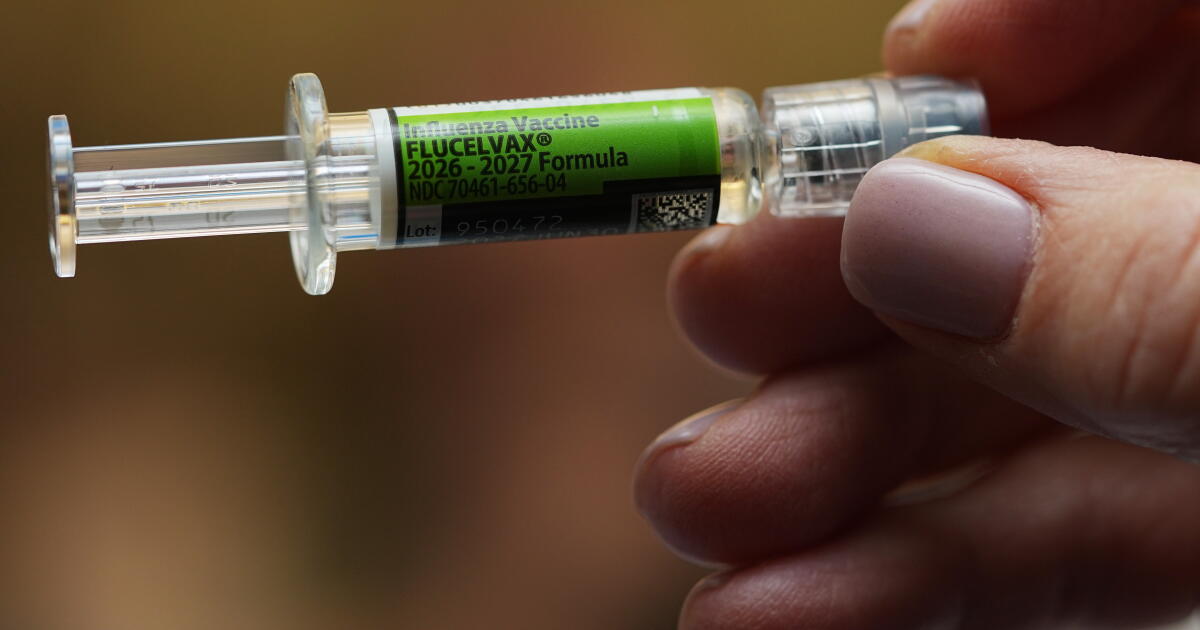
“Now is definitely the time to get vaccinated,” said Claire Hannan, executive director of the Association of Immunization Managers, telling NPR that influenza is actively circulating as holiday travel ramps up.
Protection typically takes about two weeks to develop following vaccination. For individuals who contract the virus, prescription antivirals like oseltamivir and baloxavir can reduce symptom severity if started within two days of illness onset, particularly for high-risk patients such as older adults, young children, pregnant women, and individuals with underlying health conditions.
The Centers for Disease Control and Prevention began as the Communicable Disease Center on July 1, 1946, taking over the World War II Malaria Control in War Areas program. Atlanta was chosen as its home because malaria was endemic across the Southern United States; with a budget of about $1 million, 59 percent of its 369 employees worked on mosquito abatement, spraying more than six and a half million homes in the early years.
In 1947, CDC staff pooled their own money to pay $10 to Emory University for 15 acres on Clifton Road, land donated through Coca-Cola chairman Robert W. Woodruff, which remains the agency’s headquarters.
Disclaimer: The information provided in this article is for educational and scientific communication purposes only and does not constitute medical advice. Always consult with a qualified healthcare provider regarding any medical condition, diagnosis, or treatment plan.