Early Evolocumab Use After MI Improves LDL-C Goal Achievement
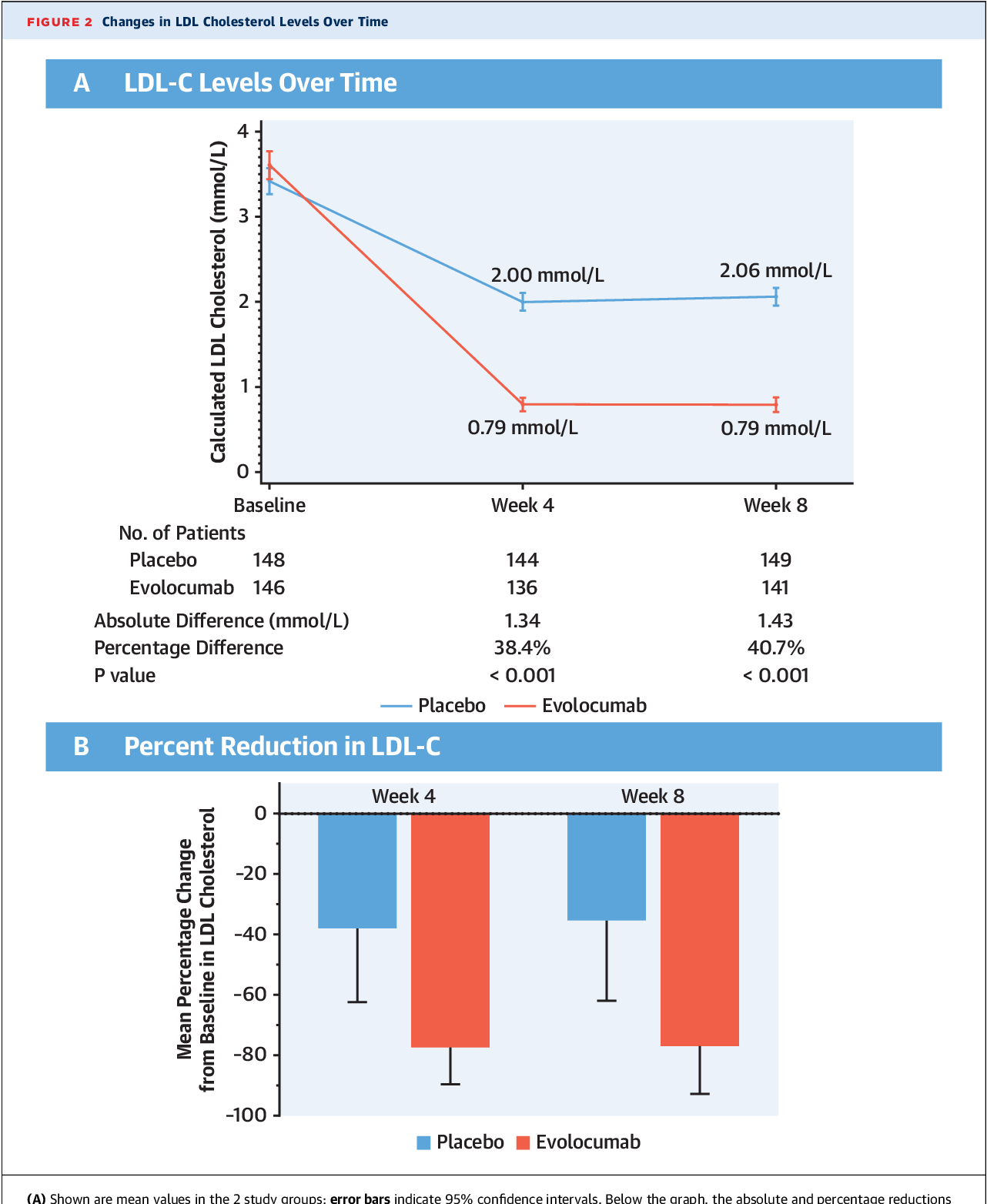
Recent clinical trial data demonstrates that administering the PCSK9 inhibitor evolocumab immediately after an acute myocardial infarction significantly improves low-density lipoprotein cholesterol goal achievement rates. According to findings from the AMUNDSEN study presented at recent scientific sessions, early aggressive lipid-lowering therapy reshapes secondary prevention timelines for patients recovering from acute coronary syndrome.
Key Clinical Takeaways:
- The AMUNDSEN trial evaluated the immediate inpatient administration of evolocumab following an acute myocardial infarction.
- Results show a substantial reduction in low-density lipoprotein cholesterol levels compared to standard-of-care protocols alone.
- Cardiologists and healthcare facilities are using these findings to refine post-infarction management pathways.
The Clinical Challenge of Post-MI Lipid Management
Reaching secondary prevention targets following an acute myocardial infarction remains a primary objective in cardiology. Standard therapeutic regimens often rely on delayed titration of high-intensity statins and ezetimibe, which can leave patients exposed to elevated atherogenic lipoproteins during a vulnerable post-infarction window. According to the AMUNDSEN trial findings reported via HCPLive and analyzed on TCTMD.com, initiating proprotein convertase subtilisin/kexin type 9 (PCSK9) inhibition immediately during the acute hospital admission addresses this therapeutic lag.
Pathophysiologically, plaque instability and systemic inflammation peak immediately following coronary events. Rapid clearance of circulating apolipoprotein B-containing particles reduces the risk of recurrent ischemic events. Clinical researchers note that bypassing delays in outpatient specialty referrals helps bridge the gap between acute intervention and long-term metabolic control.
Evaluating the AMUNDSEN Trial Protocol and Efficacy
The AMUNDSEN study design focused on evaluating how early intervention impacts low-density lipoprotein cholesterol goal attainment. By introducing evolocumab during the immediate post-myocardial infarction phase, investigators measured both the magnitude of lipid reduction and the safety profile of accelerated biologic administration. According to study presentations, the dual approach of combining standard oral lipid-lowering agents with an immediate PCSK9 inhibitor yielded a profound drop in low-density lipoprotein cholesterol metrics.
Managing these complex pharmacotherapeutic transitions requires coordinated multidisciplinary care. For patients discharged with multi-drug regimens, establishing clear outpatient monitoring is vital. It is essential to consult with vetted board-certified cardiologists to personalize post-infarction care plans and manage titration schedules safely. Hospital systems updating their discharge protocols often coordinate with specialized lipid clinics to ensure seamless continuity of therapy and long-term adherence.
Future Directions in Secondary Prevention
As cardiovascular guidelines evolve to incorporate early biologic therapy, healthcare institutions face operational adjustments. Implementing inpatient PCSK9 inhibitor delivery demands robust pharmacy coordination and payer clearance strategies. Pharmaceutical distributors and clinical administrative teams frequently retain healthcare compliance specialists to navigate coverage criteria and streamline access for eligible acute coronary syndrome patients. Integrating these advanced pharmacological interventions into routine hospital workflows marks a notable shift in how clinicians approach aggressive secondary prevention.
*Disclaimer: The information provided in this article is for educational and scientific communication purposes only and does not constitute medical advice. Always consult with a qualified healthcare provider regarding any medical condition, diagnosis, or treatment plan.*