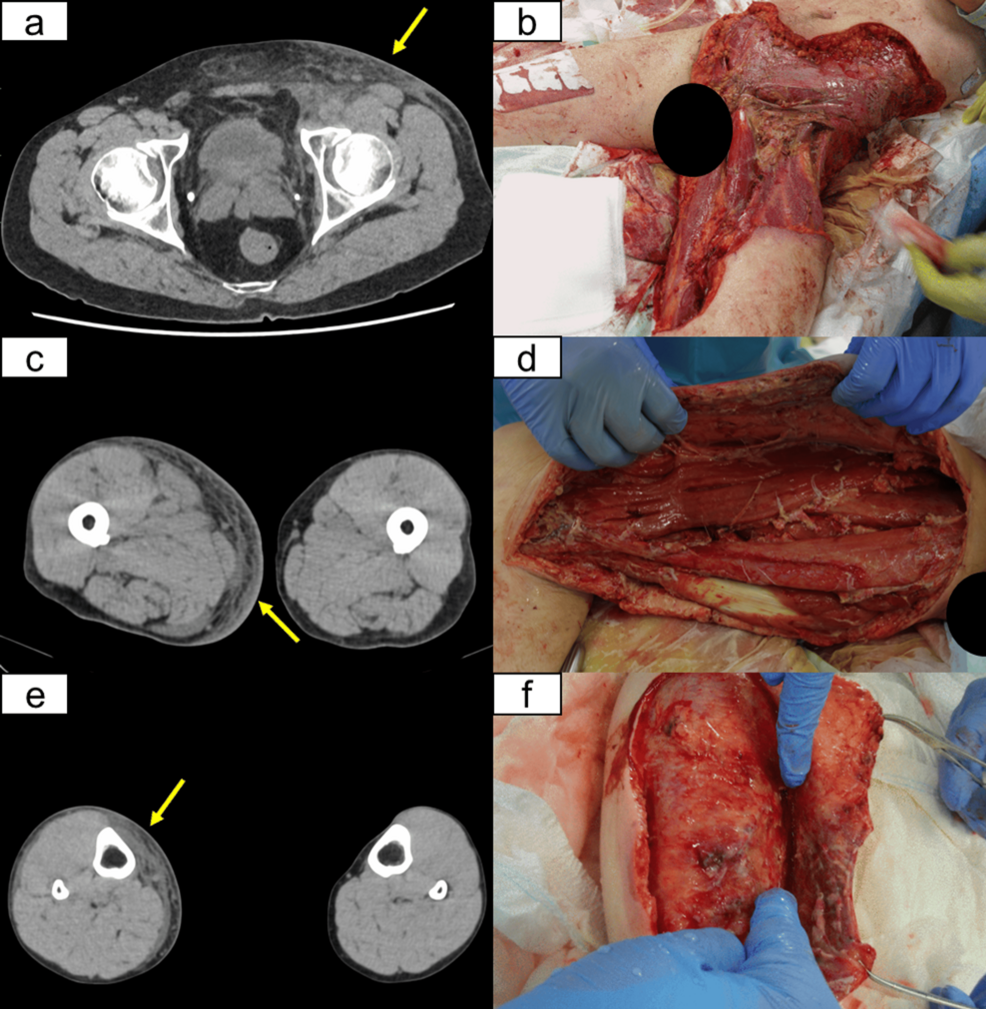
Early Diagnosis of Necrotizing Soft Tissue Infection via Rapid Antigen Detection Testing for Group A Streptococcus
Rapid antigen detection testing for Group A Streptococcus functions as a critical clinical adjunct for the early diagnosis of necrotizing soft tissue infection, according to a case series published in Cureus. In acute care settings where fulminant bacterial pathogenesis can cause systemic morbidity within hours, identifying the underlying microbial vector dictates survival. Clinicians managing acute presentations of deep-seated skin and soft tissue afflictions rely on rapid diagnostic tools to bypass the delays inherent in traditional culture methods, aligning immediate triage with standard-of-care surgical interventions.
Key Clinical Takeaways:
- Rapid antigen detection testing for Group A Streptococcus serves as a real-time diagnostic adjunct in suspected necrotizing soft tissue infections.
- Early identification of the bacterial pathogen mitigates rapid tissue necrosis and systemic toxicity associated with aggressive streptococcal disease.
- Integrating rapid point-of-care diagnostics supports timely surgical debridement and targeted antimicrobial therapy regimens.
Clinical Triage and Pathogenesis of Necrotizing Infections
Necrotizing soft tissue infections driven by Streptococcus pyogenes demand immediate clinical recognition to prevent extensive tissue destruction and multi-organ dysfunction syndrome. According to findings detailed in the PubMed Central database, the pathophysiology involves rapid toxin-mediated destruction of fascial planes and subcutaneous tissue. Traditional diagnostic pathways often leave a dangerous therapeutic window open while waiting for standard microbiology results. Utilizing rapid antigen detection testing directly at the point of care provides clinicians with an actionable data point, facilitating prompt consultation with vetted board-certified infectious disease specialists and acute care surgeons.
Diagnostic Utility of Rapid Antigen Testing in Emergency Scenarios
Deploying rapid antigen detection assays in emergency departments transforms how medical teams evaluate ambiguous, painful soft tissue presentations. Per the case series published in Cureus, utilizing these assays on wound exudate or deep tissue samples accelerates the diagnostic workflow. While these tests do not replace comprehensive histological evaluation or surgical exploration, they offer high specificity that aids in ruling in Group A Streptococcus when clinical signs overlap with milder cellulitis. Ensuring compliance with diagnostic protocols requires robust institutional frameworks, prompting clinical networks to retain healthcare compliance and risk management services to oversee point-of-care testing standards.
Therapeutic Implications and Future Diagnostic Directions
Prompt identification of Group A Streptococcus via rapid antigen methods directly influences antibiotic administration and the urgency of operative debridement. According to guidelines outlined by the Centers for Disease Control and Prevention, invasive streptococcal infections require immediate high-dose penicillin combined with clindamycin to suppress bacterial toxin production. Integrating rapid diagnostics into emergency surgical workflows bridges the gap between clinical suspicion and definitive intervention. As clinical research continues to validate these adjunct testing modalities, healthcare facilities must ensure their diagnostic infrastructure remains current. Patients and providers seeking specialized diagnostic equipment or laboratory oversight can connect with certified clinical laboratory networks to maintain rigorous standards of patient care.
Disclaimer: The information provided in this article is for educational and scientific communication purposes only and does not constitute medical advice. Always consult with a qualified healthcare provider regarding any medical condition, diagnosis, or treatment plan.