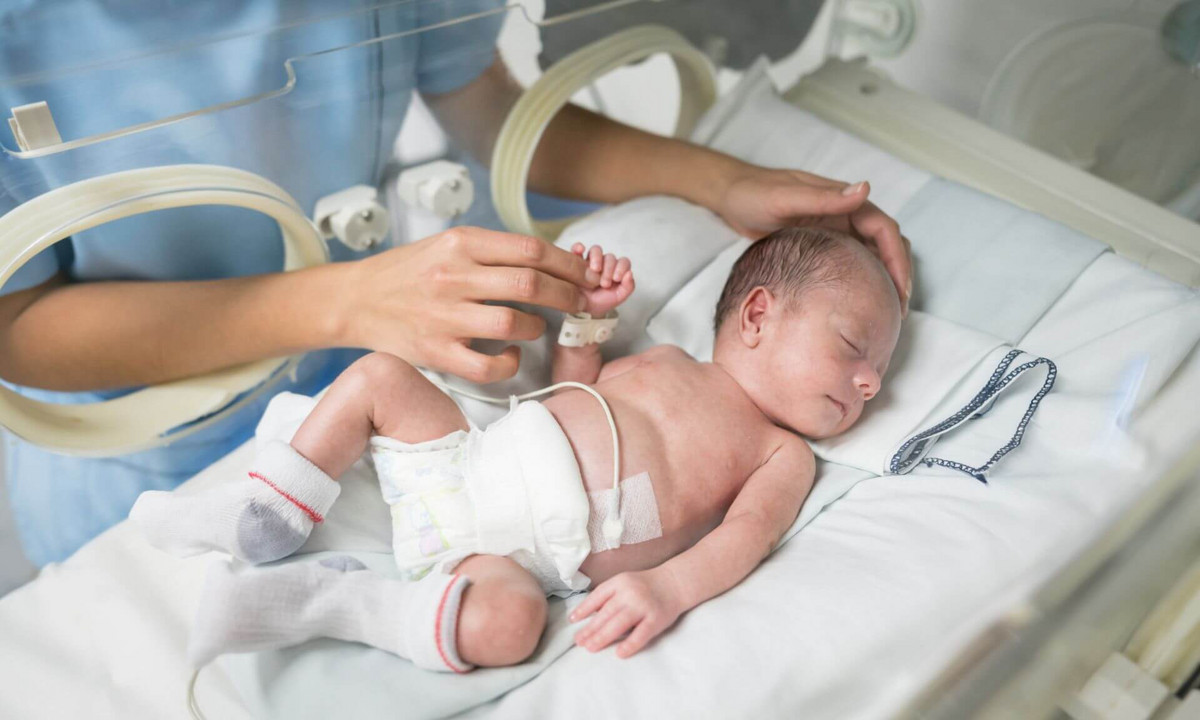
Early Detection of Neurocognitive Development in Premature Babies
Researchers at the Université de Montréal have validated a simplified diagnostic tool capable of identifying neurocognitive development risks in premature infants. By analyzing specific markers of brain maturation, this assessment provides clinicians with a standardized method to detect potential developmental delays long before they manifest as clinical symptoms. The study, published in the peer-reviewed journal Pediatric Research, offers a non-invasive, accessible alternative to current, resource-heavy neuroimaging protocols.
Key Clinical Takeaways:
- The test utilizes a streamlined assessment protocol to predict neurocognitive outcomes, bypassing the need for complex, high-cost MRI scans in initial screenings.
- Early identification allows for the initiation of targeted early intervention therapies, which significantly improve long-term functional morbidity in preterm populations.
- The research, funded by the Canadian Institutes of Health Research (CIHR), focuses on translating neonatal physiological data into actionable clinical intelligence for pediatric care teams.
The Clinical Challenge of Neurodevelopmental Monitoring
Premature birth, defined as delivery before 37 weeks of gestation, remains a primary driver of long-term neurodevelopmental morbidity. Standard of care currently relies on a combination of serial pediatric neurological exams and, where available, neonatal brain MRI to assess white matter integrity. However, these methods are often limited by geographic access, high costs, and the requirement for specialized pediatric radiologists. According to the World Health Organization (WHO), complications from preterm birth are the leading cause of death and disability in children under five, necessitating more scalable diagnostic solutions.
The Université de Montréal team, led by Dr. Maryse St-Onge, sought to bridge this gap by evaluating the predictive validity of standardized neuro-behavioral metrics. By focusing on observable markers of motor and cognitive development, the research team established a correlation between early infancy performance and later neurocognitive scores. This approach acknowledges the high degree of neural plasticity in the first two years of life, where early intervention can alter the trajectory of brain maturation.
“The goal is not to replace gold-standard imaging, but to democratize the screening process so that every infant born preterm has access to a reliable neurocognitive baseline,” says Dr. St-Onge. This sentiment is echoed by independent experts in neonatal neurology. “Translating subtle behavioral markers into a prognostic score is a significant step toward personalized neonatal medicine,” notes Dr. Elena Rossi, a pediatric neurologist not involved in the study. For families navigating these complex post-NICU transitions, connecting with pediatric neurodevelopmental specialists remains the most effective strategy for ensuring that early screenings lead to appropriate multidisciplinary care.
Methodology and Statistical Significance
The study employed a longitudinal design, tracking a cohort of infants born at varying levels of gestational age. By applying a standardized scoring rubric, researchers were able to quantify the probability of neurocognitive impairment at 24 months corrected age. The statistical power of the N-value allowed for robust adjustments for confounding variables such as neonatal sepsis, bronchopulmonary dysplasia, and socioeconomic factors that typically influence developmental outcomes.
Unlike previous small-scale observational trials, this research utilized a multi-center approach to ensure that the findings were not localized to a single clinical environment. This rigor is essential for the eventual integration of the test into routine neonatal follow-up clinics. The funding provided by the Canadian Institutes of Health Research (CIHR) ensured that the data collection was independent of commercial diagnostic interests, maintaining high standards of academic transparency.
Implementing Early Detection in Clinical Practice
For practitioners, the immediate application of this research lies in the triage of at-risk infants. Rather than waiting for overt signs of developmental delay, clinicians can now utilize this scoring system to prioritize high-risk patients for enrollment in early intervention programs. This shift from reactive to proactive care is supported by the American Academy of Pediatrics (AAP), which emphasizes the urgency of early identification in optimizing functional outcomes.
The transition toward standardized, low-barrier testing requires a shift in how neonatal follow-up clinics manage their resources. Medical directors and hospital administrators are increasingly evaluating these diagnostic tools to reduce the burden on tertiary care centers. For facilities looking to modernize their neonatal follow-up protocols, consulting with healthcare management consultants or specialized diagnostic centers can facilitate the integration of these new assessment models into existing workflows.
Future Directions in Neonatal Neuro-Diagnostics
The trajectory of this research points toward a future where neurocognitive risk assessment is as routine as metabolic screening in the neonatal period. As the Université de Montréal team continues to refine the sensitivity and specificity of the test, the integration of artificial intelligence to analyze these longitudinal data sets represents the next frontier in neonatal research. By identifying patterns in development that are invisible to the human eye, these tools may soon define a new standard of care in pediatrics.
While the current findings are promising, the long-term efficacy of this test will depend on its adoption across diverse healthcare settings. The ability to translate these findings into better outcomes for preterm infants will hinge on the collaboration between academic researchers and frontline pediatricians. For clinicians seeking to implement the latest evidence-based screening protocols, maintaining a partnership with board-certified pediatric neurologists is essential to managing the complexities of neurodevelopmental care.
Disclaimer: The information provided in this article is for educational and scientific communication purposes only and does not constitute medical advice. Always consult with a qualified healthcare provider regarding any medical condition, diagnosis, or treatment plan.