€728K Surplus: Racing Santander Reports Second Year of Profit
Racing recorded a positive net result of 728,877.97 euros for the financial year ending June 30, 2026, marking its second profitable season following a 715,591.91 euro surplus in the 2024-25 campaign. The figures, which coincide with the club securing promotion to Primera, will be submitted for formal approval at the upcoming General Shareholders’ Meeting.
Financial Stabilization Through Promotion and Commercial Growth
The club’s ongoing financial sanitation remains tied directly to sporting success that multiplies revenue streams across competition payouts, sporting operations, and television rights. While the balance sheet shows steady progress, the club’s majority shareholder, Sebastián Ceria, noted that complete financial health requires the eventual amortization or formal banking structure of debt owed to ownership. Driving this operational turnaround is a surge in commercial revenue and social backing.
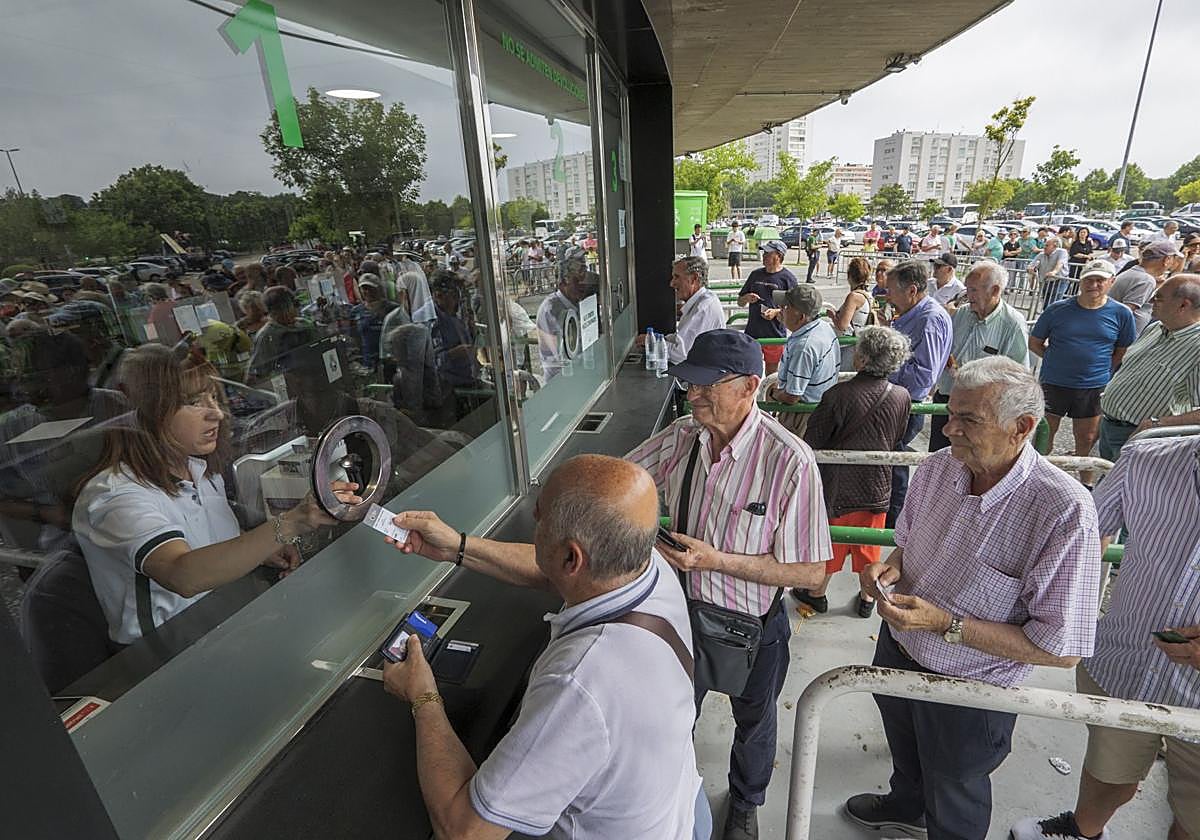
Ticket and membership receipts tell a major part of the financial story. The club brought in 4,995,498.11 euros from season ticket holders during the 2025-26 term, accounting for roughly a quarter of all incoming revenue. To put that single income stream in perspective, it outpaces the entire operating budget the team managed during its lowest points in Segunda División B.
| Financial Metric (2025-26) | Amount in Euros |
|---|---|
| Net Profit | 728,877.97 |
| Season Ticket Sales | 4,995,498.11 |
| Club Store Revenue | 3,257,000.00 |
| Sponsorships | 1,722,000.00 |
| Total Commercial Revenue | 4,980,687.12 |
Commercial Income Grows as Workforce Expands
Marketing performance grew exponentially during the 2025-26 season. Retail sales across physical and electronic club outlets generated 3,257,000 euros. Sponsorship agreements added another 1,722,000 euros, bringing total commercial income to 4,980,687.12 euros. In total, ticketing and marketing operations generated roughly ten million euros—nearly half of the club’s entire operating budget from its last season in Segunda División.
This commercial scaling has triggered internal structural changes. The organization expanded its personnel by more than 20% in a single year, growing its workforce from 115 to 145 employees. While the sporting staff experienced modest growth, the bulk of the new hires filled administrative, communications, marketing, and maintenance roles, as the organization moved from an autarkic operation to a modern corporate enterprise.
Broadcast Rights and Ticket Sales Drive Revenue Growth
Broadcast rights will dwarf current income streams as the club enters the top tier. Television revenue is projected to jump from roughly seven million to 44 million euros, even though Racing enters the division as a newly promoted side receiving a smaller share of the broadcast pool. Season ticket revenues are also slated to climb further, with the club expanding its allocation limit to 18,804 seats alongside upwardly adjusted membership fees.
Securing these projected revenues depends entirely on athletic performance. Before the financial gains of top-flight broadcasting can materialize on the balance sheet, the squad must meet its primary objective of avoiding relegation in the upcoming campaign.