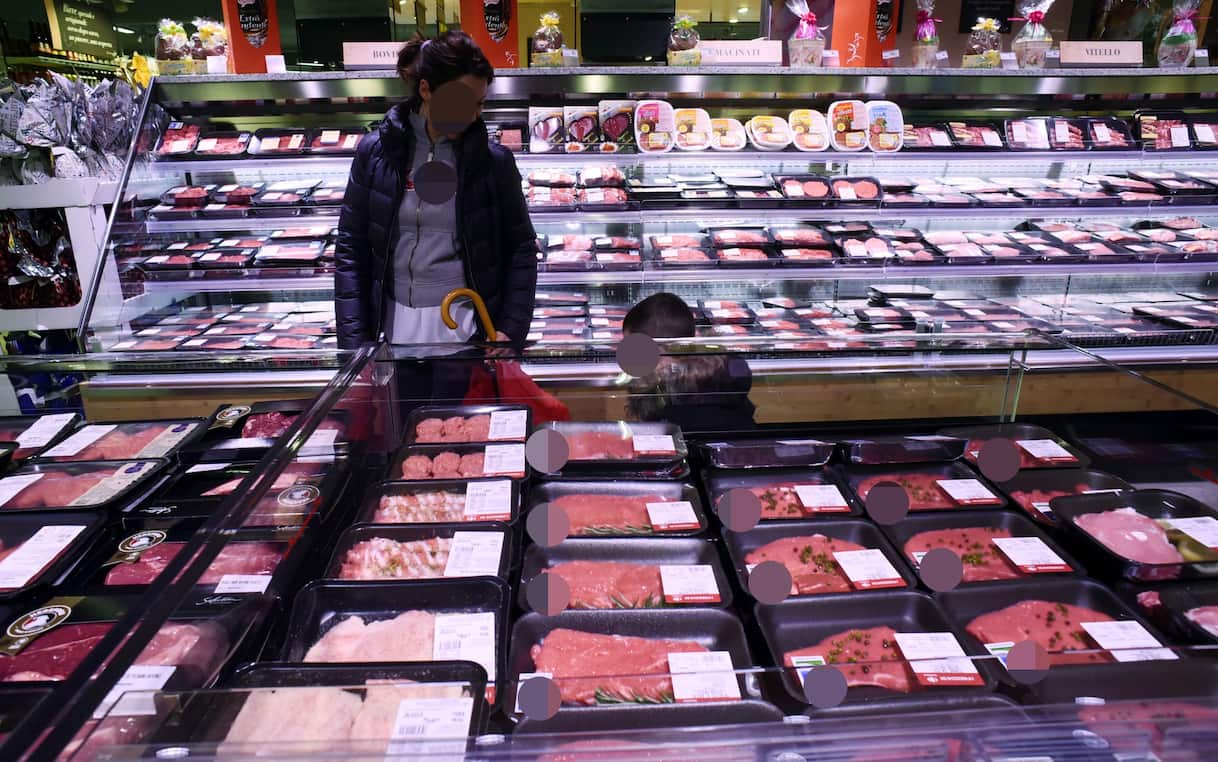
E. Coli Alert: Sliced Beef Recalled From Coop and Lidl Supermarkets
A critical public health alert has been issued across Italy following the discovery of potential microbiological contamination in high-conclude beef cuts. The Italian Ministry of Health, in coordination with major retailers Lidl and Coop, has ordered the immediate recall of specific lots of sliced beef due to the presence of a dangerous bacterial pathogen.
Key Clinical Takeaways:
- Product Affected: “Tagliata di scottona” (sliced beef), 300g portions, sold under the Dedicarne and Dedicarne–Lidl brands.
- Primary Risk: Possible contamination with Shiga toxin-producing Escherichia coli (STEC), which can lead to severe gastrointestinal distress.
- Immediate Action: Consumers possessing lots 101158, 102294, or 102444 must cease consumption immediately and return the product to the point of purchase.
The current crisis centers on a “presumed microbiological non-conformity” identified in products manufactured by Tönnies Fleisch Italia Srl at their facility in Vignola, Modena (Identification Mark CE IT Q0B2J). While initial regulatory language described the issue as a general non-conformity, subsequent disclosures from distribution chains have confirmed the specific threat: Escherichia coli producer of Shiga toxin (STEC). This pathogen represents a significant clinical risk, as it does not merely cause standard food poisoning but can trigger systemic complications.
The Pathogenesis of Shiga Toxin-Producing E. Coli (STEC)
From a clinical perspective, STEC is distinguished from commensal E. Coli by its ability to synthesize Shiga toxins (Stx1 and Stx2). These toxins enter the bloodstream and bind to Gb3 receptors, primarily located in the endothelial cells of the intestinal mucosa and the glomeruli of the kidneys. The resulting cellular apoptosis and vascular damage can lead to hemorrhagic colitis, characterized by severe abdominal cramping and bloody diarrhea.
The morbidity associated with STEC is not limited to the gut. In a subset of patients, the systemic absorption of these toxins can precipitate Hemolytic Uremic Syndrome (HUS), a triad of microangiopathic hemolytic anemia, thrombocytopenia, and acute kidney injury. According to established guidelines from the World Health Organization (WHO), early identification of these symptoms is paramount to preventing permanent renal failure.
“The recall is a precautionary measure following the detection of microbiological non-conformity, but the presence of the STEC strain necessitates an urgent warning to the public to avoid gastrointestinal complications.” — Dr. Christian Raddato, General Practitioner.
For individuals who have consumed the affected beef and are now experiencing persistent nausea, severe abdominal pain, or bloody stools, immediate clinical triage is required. It’s highly recommended to consult with board-certified gastroenterologists to undergo the necessary diagnostic screenings and manage potential inflammatory responses.
Regulatory Oversight and Lot Identification
The recall is an exercise in rigorous regulatory oversight by the Italian Ministry of Health, utilizing the national food alert portal to mitigate widespread exposure. The precision of the recall depends entirely on the consumer’s ability to match the lot numbers and expiration dates on their packaging. The specific lots under alert are:
- Lot 101158: Expiration date 02/04/2026
- Lot 102294: Expiration date 13/04/2026
- Lot 102444: Expiration date 14/04/2026
The identification of these specific batches suggests a localized failure in the production or packaging chain at the Vignola plant. To confirm the presence of the pathogen in suspected cases, clinicians typically rely on stool cultures or PCR testing to detect the stx1 and stx2 genes. Patients seeking rapid, high-sensitivity testing should visit accredited clinical diagnostic centers equipped for advanced molecular microbiology.
Clinical Management and Public Health Implications
The standard of care for STEC infections focuses on supportive hydration and the monitoring of renal function. Medical consensus, often cited in PubMed-indexed longitudinal studies, suggests that the use of certain antibiotics during a STEC infection may actually increase the release of Shiga toxins, potentially elevating the risk of HUS. This complicates the clinical approach, making professional medical supervision essential rather than relying on over-the-counter antimicrobial treatments.
Beyond the immediate patient risk, this event highlights a systemic vulnerability in the meat supply chain. When a large-scale producer like Tönnies Fleisch Italia Srl faces a microbiological breach, the ripples affect multiple retail giants simultaneously. From a corporate and legal standpoint, such failures often trigger exhaustive audits of HACCP (Hazard Analysis and Critical Control Points) protocols. Pharmaceutical and food distributors are increasingly retaining healthcare compliance attorneys to navigate the complex liability landscapes and regulatory penalties associated with widespread foodborne pathogen outbreaks.
The Future of Microbiological Surveillance
This incident underscores the necessity for real-time genomic sequencing in food safety. The transition from traditional culture-based detection to Whole Genome Sequencing (WGS) allows health authorities to trace a specific strain of E. Coli back to a single facility with surgical precision. As we move toward more integrated surveillance systems, the window between contamination and recall will continue to shrink, reducing the statistical probability of severe patient morbidity.
While the current recall serves as a necessary safeguard, the long-term solution lies in the adoption of more stringent biological barriers in meat processing. Until such systems are universal, the responsibility falls on the consumer to remain vigilant and on the healthcare system to provide rapid, evidence-based intervention. For those concerned about foodborne illness or requiring a comprehensive health screening, we encourage you to utilize our directory to find vetted, high-authority healthcare providers.
Disclaimer: The information provided in this article is for educational and scientific communication purposes only and does not constitute medical advice. Always consult with a qualified healthcare provider regarding any medical condition, diagnosis, or treatment plan.