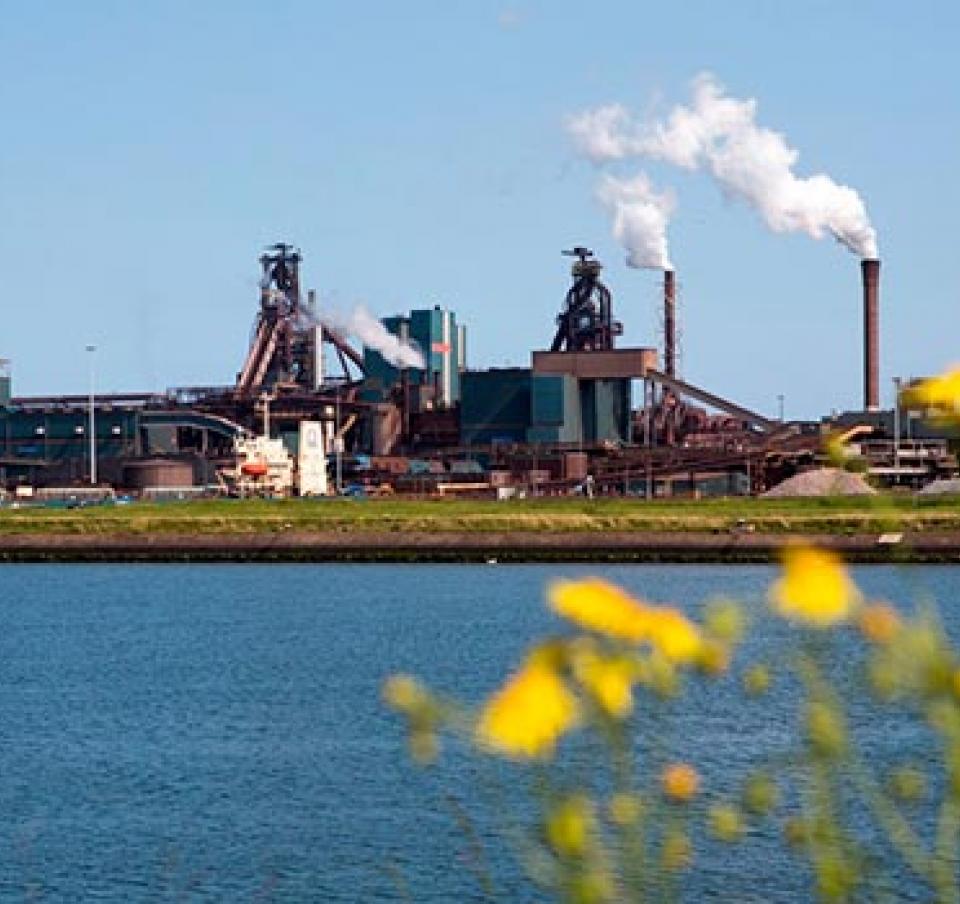
Dutch Prosecutors Link Tata Steel Health Risks to Ilva Taranto Case
Dutch prosecutors have built their environmental case against Tata Steel around a comparative study that places the health risks of its IJmuiden plant on par with Italy’s former Ilva steelworks in Taranto.
The Dutch National Institute for Public Health and the Environment (RIVM) published the comparison on April 25, 2024, estimating an additional 165 premature deaths per million people annually near the Dutch plant, against 180 per million in Taranto, cronachetarantine.it reported, according to Cronachetarantine. The figures derive from a World Health Organization methodology applied to fine particulate exposure.
RIVM flagged significant limits in the comparison. The Taranto data reflect 2010 conditions across a population of roughly 200,000, while the IJmuiden assessment uses 2019 data for about 2,000 residents near Wijk aan Zee. Demographic and health-system differences between Italy and the Netherlands further complicate a direct match.
“The impact of fine particulates from the two steel mills is of the same order of magnitude,” RIVM concluded in its report, adding that the Taranto case serves as an important benchmark for evaluating risks at Tata Steel.
The prosecution alleges Tata Steel “intentionally and unlawfully released harmful substances into the air, with possible harmful consequences for public health.” It remains unclear whether individual executives will face charges. The case stems from a 2021 complaint filed by lawyer Bénédicte Ficq on behalf of 1,200 local residents, mirroring the legal pressure that mounted in Taranto. With the summons, the Public Prosecutor’s Office has formally backed Ficq’s complaint.
Tata Steel traces its origins to the founding of Tata Iron and Steel Company in Jamshedpur on 26 August 1907 by Jamsetji Nusserwanji Tata, with operations beginning under Sir Dorabji Tata. The company produced its first steel in 1912 and by 1939 operated the largest steel plant in the British Empire.
Its entry into Europe came through the 2007 acquisition of the Anglo-Dutch Corus Group for £6.7 billion, a deal that vaulted Tata Steel into the world’s top five producers and brought the IJmuiden works into the group. As of 2024, the multinational employs roughly 78,300 people across 26 countries with an annual crude steel capacity of 35 million tonnes.
RIVM also traced the environmental and judicial history of the former Ilva plant, citing a European Court of Justice opinion that industrial permits must account for all significant foreseeable emissions based on available information. That precedent now frames the Dutch proceedings.