
Dutch Men Reach Annual Salt Limit by Mid-August, Raising Health concerns
Amsterdam, Netherlands – August 17, 2025 - Dutch men aged eighteen to fifty are consuming salt at levels that exceed annual recommendations within just seven months, according to new calculations released today by Foodwatch, based on data from the netherlands National Institute for Public Health and the Environment (RIVM).
Alarming Salt Consumption Rates
The analysis reveals that,on average,men in this demographic ingest eight grams of salt daily. This figure is sixty percent higher than the five-gram upper limit advised by the World Health Organization (WHO) [[2]]. Even the more lenient recommendations of six grams per day, set by the Dutch Health Council and nutrition Center, are consistently surpassed.
Did You Know? Excessive salt intake is a major contributor to several serious health conditions, including hypertension and cardiovascular disease.
Processed Foods: The Primary Source
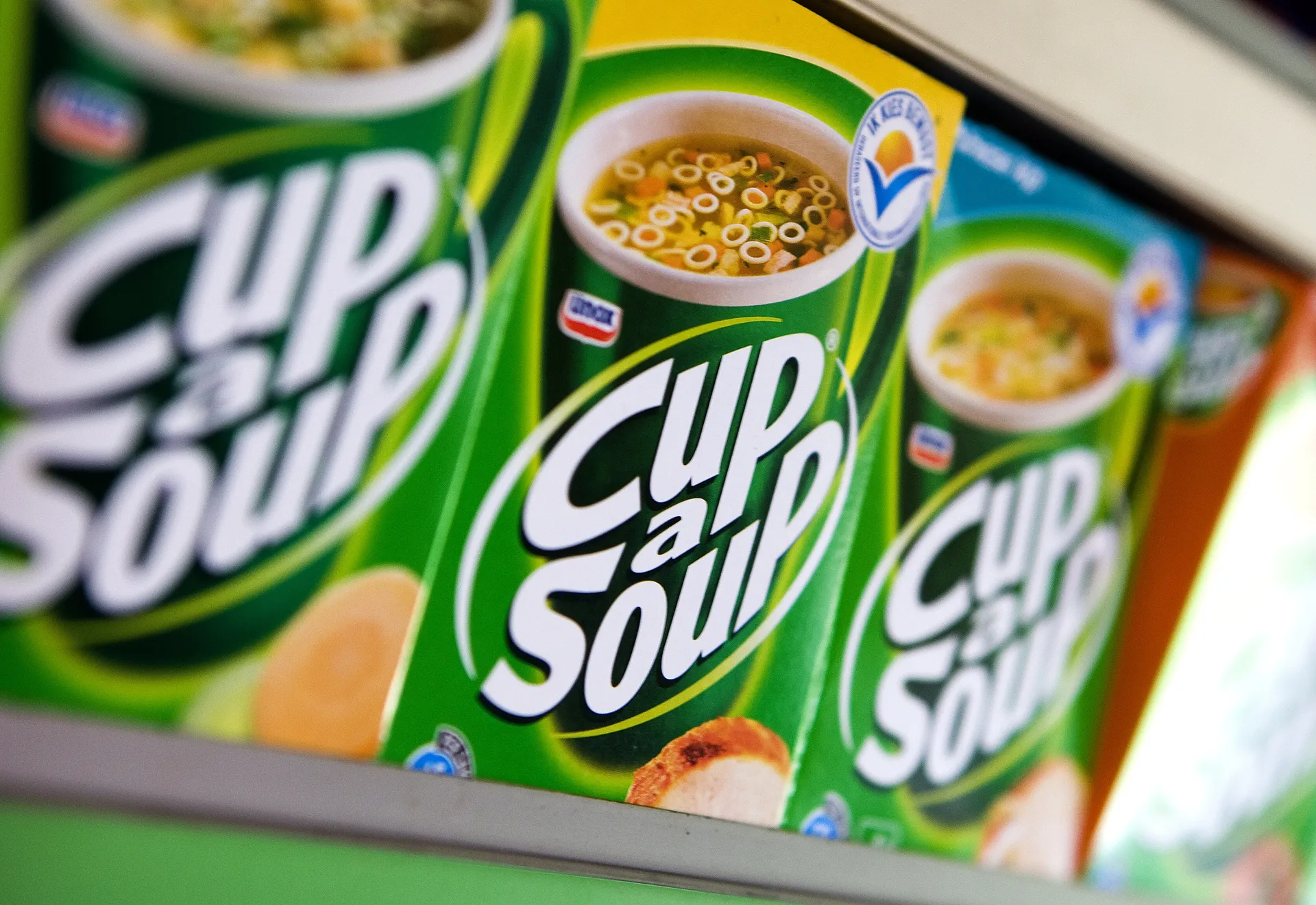
The primary driver of this excessive salt consumption isn’t the salt shaker, but rather processed foods.These contribute 6.8 grams of daily salt intake, while only 1.2 grams are added during cooking or at the table. This highlights the hidden salt content in many commonly consumed products.
Health Risks Associated with High Salt Intake
Consuming too much salt poses important risks to health. These include an increased likelihood of developing high blood pressure, cardiovascular disease, stomach cancer, kidney damage, and bone loss. The American Heart Association notes that high blood pressure is a major risk factor for heart disease and stroke [[3]].
| Group | Average Daily Salt Intake (grams) | WHO Recommended Limit (grams) | Percentage over Limit |
|---|---|---|---|
| Dutch Men (18-50) | 8.0 | 5.0 | 60% |
| Dutch Health Council/Nutrition center Limit | 6.0 | N/A | N/A |
Calls for Stricter Regulations
Foodwatch is advocating for more stringent regulations to address this public health issue. Current voluntary agreements with the food industry to reduce salt content have proven insufficient. “Only hard, legally binding rules can really reduce salt intake in the Netherlands,” stated Frank Lindner, campaign leader at Foodwatch.
Pro Tip: Read food labels carefully and choose lower-sodium options whenever possible. Preparing meals at home allows for greater control over salt content.
What steps can individuals take to reduce their salt intake, and what role should governments play in regulating food industry practices?
The Global Salt Crisis: A Growing Concern
Excessive salt consumption is a global health challenge. Many countries are grappling with similar issues, driven by the prevalence of processed foods in modern diets. Public health campaigns and regulatory measures are increasingly being implemented worldwide to raise awareness and reduce salt intake.The long-term consequences of unchecked salt consumption are considerable, placing a significant burden on healthcare systems and reducing quality of life.
Frequently Asked Questions About Salt Intake
- What is the recommended daily salt intake? The World Health Organization recommends a maximum of 5 grams of salt per day.
- Why is excessive salt intake harmful? It increases the risk of high blood pressure, heart disease, stroke, and other health problems.
- Where does most of our salt come from? the majority of salt intake comes from processed foods, not from adding salt during cooking or at the table.
- Can I reduce my salt intake without sacrificing flavor? Yes, using herbs, spices, and other flavorings can enhance meals without adding salt.
- What are governments doing to address this issue? Some governments are implementing regulations to limit salt content in processed foods and promote public awareness campaigns.
This is a developing story. Stay tuned for updates as more data becomes available.
