
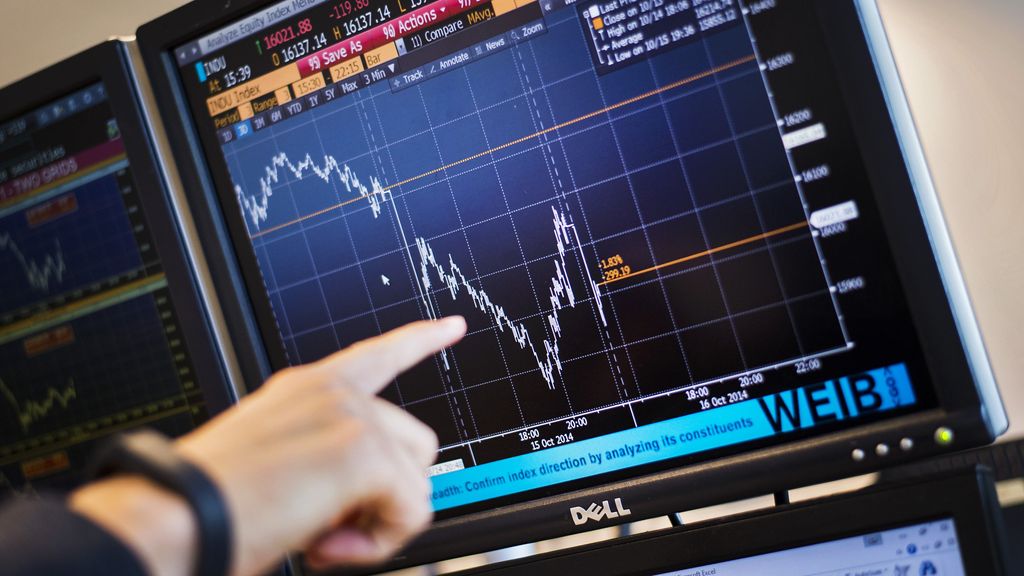
Dutch Investor Confidence Drops Amid Gulf War and Tax Uncertainty
Dutch investor confidence has plummeted in late March 2026, triggered by escalating geopolitical tensions surrounding the conflict with Iran and ongoing uncertainty regarding the taxation of investment returns within “Box 3” of the Dutch income tax system. This dual pressure is prompting a significant shift towards risk aversion, impacting market liquidity and prompting investors to seek safer havens.
The Erosion of Fiscal Optimism: A Two-Pronged Crisis
The current market hesitancy isn’t a sudden shock. it’s a culmination of anxieties. The initial optimism that buoyed the AEX index earlier in the year, briefly pushing it above the 1000-point threshold, has been systematically dismantled by the unfolding crisis in the Middle East. The recent direct military engagements between the United States and Israel against Iranian targets have injected a potent dose of fear into the market. This isn’t merely about oil prices – though the spike in Brent crude, currently trading at $98.75 per barrel (as of March 27, 2026, according to Bloomberg data Bloomberg Energy), is a significant factor. It’s about the broader systemic risk and the potential for a wider regional conflict. The impact is particularly acute for Dutch investors, who are simultaneously grappling with the complexities of the “Box 3” tax regime. This system, designed to tax deemed returns on savings and investments, has been plagued by legal challenges and ongoing revisions. The uncertainty surrounding the final form of the revised legislation, slated for implementation in 2028, is causing investors to delay financial planning and, crucially, to reassess their risk tolerance. As Bob Homan, Head of Investment Office at ING, noted, “The lack of clarity around Box 3 is effectively freezing a segment of the investment market. People are simply waiting on the sidelines.”
Quantifying the Investor Retreat
The ING Investment Barometer, a monthly gauge of Dutch investor sentiment, paints a stark picture. In March, the barometer plunged 41 points to a reading of 80 – the lowest level recorded in a year. A score below 100 indicates negative sentiment. This decline isn’t isolated. According to data released by the Dutch Central Bank (De Nederlandsche Bank – DNB) DNB, net outflows from Dutch investment funds totaled €3.2 billion in the first two weeks of March, with a disproportionate share originating from retail investors. This shift towards caution is manifesting in several ways. Approximately 20% of investors are now adopting a “risk-off” strategy, minimizing exposure to volatile assets. A further 15% are postponing investment decisions altogether, preferring to hold cash. This trend is further reinforced by the relatively attractive returns offered on savings accounts. With major Dutch banks currently offering interest rates of around 1.25%, the yield differential between savings and riskier investments has narrowed, making the former a more appealing option for risk-averse investors.
The Macroeconomic Ripple Effect
The decline in investor confidence isn’t merely a domestic issue; it has broader macroeconomic implications. Reduced investment activity translates to lower capital formation, potentially hindering economic growth. The slowdown in market liquidity can also exacerbate volatility, creating a self-reinforcing cycle of fear and uncertainty. The increased demand for safe-haven assets, such as government bonds, is putting downward pressure on yields, potentially impacting the profitability of financial institutions. “We’re seeing a clear pause in investment activity,” explains Dr. Annelies Verbeek, Chief Economist at ABN AMRO, in a recent interview. “The combination of geopolitical risk and tax uncertainty is creating a perfect storm for investor sentiment. This isn’t a panic sell-off, but a deliberate recalibration of portfolios towards lower-risk assets.”
“The combination of geopolitical risk and tax uncertainty is creating a perfect storm for investor sentiment. This isn’t a panic sell-off, but a deliberate recalibration of portfolios towards lower-risk assets.” – Dr. Annelies Verbeek, Chief Economist, ABN AMRO
Navigating the Turbulence: The Role of Specialized B2B Services
This environment demands sophisticated risk management and strategic financial planning. Businesses operating in the Netherlands are facing increased pressure to navigate these turbulent waters. Companies with complex international operations are particularly vulnerable to the geopolitical risks, requiring robust international trade compliance solutions to mitigate potential disruptions to supply chains and cross-border transactions. The volatility in energy markets also necessitates proactive energy risk management strategies to hedge against price fluctuations and ensure operational stability. The uncertainty surrounding the Box 3 tax regime further underscores the need for expert tax advice. Businesses and high-net-worth individuals are increasingly turning to specialized tax law firms to ensure compliance and optimize their tax positions. The complexity of the Dutch tax system, coupled with the ongoing legislative changes, requires a deep understanding of both domestic and international tax regulations.
The Flight to Safety: Asset Allocation Shifts
The current market conditions are driving a significant shift in asset allocation. Investors are reducing their exposure to equities and increasing their holdings of cash, government bonds, and other safe-haven assets. The price of gold, traditionally viewed as a safe store of value, has risen by 7.2% in March, reflecting the increased demand. However, even gold isn’t immune to the broader market headwinds. The price of silver, often considered a more industrial metal, has actually declined, indicating concerns about a potential global economic slowdown. According to a recent report by the European Central Bank (ECB) ECB, liquidity in the Eurozone banking system has tightened in recent weeks, reflecting the increased risk aversion among investors. This tightening of liquidity could further exacerbate market volatility and potentially lead to a credit crunch.
Looking Ahead: A Cautious Outlook
The outlook for the Dutch investment market remains cautious. The geopolitical situation in the Middle East is highly volatile and could escalate further, triggering additional market shocks. The uncertainty surrounding the Box 3 tax regime is also likely to persist in the near term, continuing to weigh on investor sentiment. The coming fiscal quarters will be critical. Businesses need to prioritize risk management, strengthen their financial resilience, and seek expert advice to navigate these challenging conditions. The World Today News Directory provides access to a vetted network of B2B partners specializing in international trade compliance, energy risk management, and tax law, empowering businesses to mitigate risks and capitalize on emerging opportunities. Ignoring these warning signs is not an option; proactive engagement with specialized service providers is now essential for sustained success in the evolving global landscape.