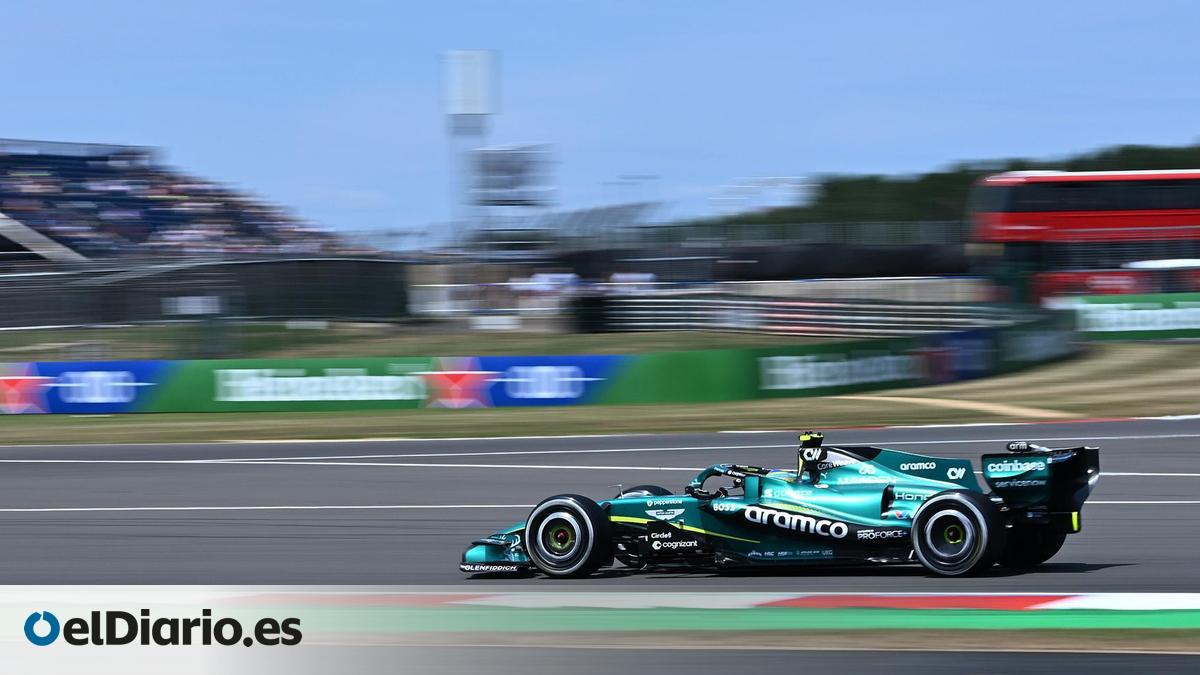
Dutch GP: Will Aston Martin Confirm Its Performance Recovery?
According to the Podcast Técnica Fórmula 1, the event measures whether the team’s substantial aerodynamic upgrades introduced in Hungary represent a genuine competitive recovery rather than a temporary anomaly.
Evaluating the AMR26 After the Hungarian Upgrade Package
Aston Martin entered the summer break facing mounting pressure during a difficult 2026 campaign. However, the introduction of a deep structural and aerodynamic evolution on the AMR26 in Hungary provided a much-needed change in trajectory. While the updates did not immediately vault Fernando Alonso back into podium contention, they established a coherent design direction for the engineering department.
Zandvoort now presents the second phase of this evaluation. The 4.259-kilometer circuit features fast sweepers, banked corners, and demanding technical shifts that test front-end stability and balance. Unlike power-hungry tracks, Brembo rates the circuit’s braking demands at a moderate level 2 out of 5, placing the emphasis squarely on chassis equilibrium.
The Technical Challenge of the 2026 Regulators at Zandvoort
Engineering departments across the grid continue grappling with the complex electrical management and clipping issues introduced by the current 2026 regulations. High-speed venues like Spa and Silverstone exposed significant aerodynamic and power-unit deficiencies under the new rules. By contrast, tight and twisting layouts like Budapest and Zandvoort mitigate some of those structural hurdles.

The layout forces cars from roughly 323 km/h down to 126 km/h in less than three seconds at the Turn 1 braking zone. For Aston Martin, combining the updated aerodynamic platform with the new Honda power unit will clarify whether the team can permanently close the gap to the established midfield.
Implications for Fernando Alonso and the Midfield Grid
The weekend carries major implications for Fernando Alonso as he weighs his competitive future amid shifting grid dynamics. Sourced commentary indicates that empty promises will no longer suffice to retain top-tier talent; tangible on-track progress remains mandatory.

Beyond Aston Martin, the Dutch Grand Prix tests Max Verstappen’s resilience on home soil during a less dominant season for the championship leader. McLaren also faces a major maturity test following its recent performance leaps, while Mercedes and Ferrari finalize development paths ahead of the final stretch of the year. Zandvoort will separate genuine engineering progress from fleeting aspirations.
The checkered flag at Zandvoort will ultimately write the verdict on whether Aston Martin’s mid-season resurgence possesses lasting momentum or fades into the background of a turbulent season.